Hang Seng Index Plummets Over 2% Amidst Widespread Tech Selloff
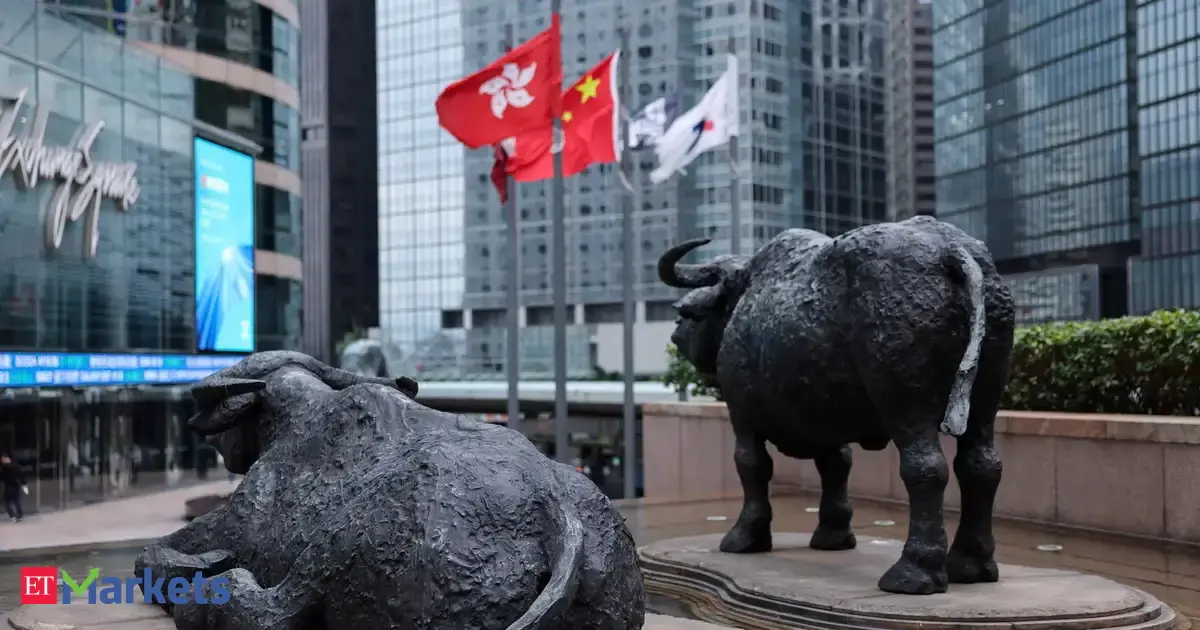
The Hang Seng Index experienced a significant decline of over 2% on Friday, driven by a massive selloff in technology stocks across Asia. Investors are grappling with rising interest rates and geopolitical tensions that are impacting market confidence.
Hong Kong's Financial Markets Face Turbulence
On Friday, the Hang Seng Index, a key indicator of Hong Kong's stock market performance, suffered a steep decline of over 2%, reflecting a broader selloff in technology stocks across Asia. This downturn has raised concerns among investors, who are increasingly wary of the potential impacts of rising interest rates and ongoing geopolitical tensions.
Reasons Behind the Decline
The selloff was primarily triggered by disappointing earnings reports from major tech companies, which have been under pressure due to tightening monetary policies and a slowing global economy. Investors reacted swiftly, leading to a wave of selling that affected not only Hong Kong but also other Asian markets.
In particular, shares of prominent tech firms such as Alibaba and Tencent saw significant declines, contributing to the overall drop in the Hang Seng Index. Analysts noted that these companies have been facing headwinds from regulatory scrutiny and competition, further exacerbating investor concerns.
Global Context and Investor Sentiment
The decline in Hong Kong's stock market is part of a larger trend observed in global markets, where investors are grappling with the implications of rising interest rates. The U.S. Federal Reserve's recent signals regarding potential rate hikes have led to increased volatility in equity markets worldwide.
Market analysts suggest that the tightening of monetary policy could lead to reduced liquidity, which is particularly detrimental to growth-oriented sectors such as technology. As a result, investors are reassessing their portfolios and shifting towards more defensive stocks, further contributing to the selloff.
Geopolitical Tensions Add to Market Woes
In addition to economic factors, geopolitical tensions in the Asia-Pacific region have also played a role in shaping investor sentiment. Ongoing disputes and uncertainties surrounding trade relations, particularly between the U.S. and China, have heightened fears of economic instability.
These tensions have prompted many investors to adopt a cautious approach, leading to increased volatility in the markets. The combination of economic uncertainty and geopolitical risks has created a challenging environment for investors, resulting in significant selloffs in various sectors.
Looking Ahead: What to Expect?
As the Hang Seng Index continues to navigate these turbulent waters, investors are keenly watching for any signs of stabilization. Analysts recommend that investors remain vigilant and consider diversifying their portfolios to mitigate risks associated with market fluctuations.
In the coming weeks, key economic indicators and corporate earnings reports will be closely monitored, as they will provide further insights into the health of the economy and the potential trajectory of interest rates. The interplay between economic data and geopolitical developments will likely continue to influence market sentiment and investor behavior.
Conclusion
The recent decline in the Hang Seng Index underscores the challenges facing Hong Kong's financial markets amid a backdrop of rising interest rates and geopolitical tensions. As investors navigate this uncertain landscape, the focus will remain on economic indicators and corporate performance to gauge future market trends.