Hang Seng Tech Index Plummets Over 2% Amid Deepening Asian Tech Selloff
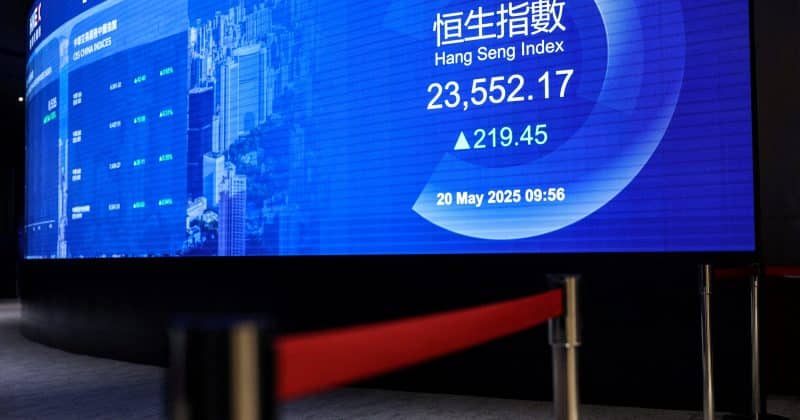
The Hang Seng Tech Index has experienced a significant decline of over 2% as the Asian technology sector faces mounting pressure. This downturn is part of a broader selloff affecting tech stocks across the region, raising concerns among investors.
Hang Seng Tech Index Plummets Over 2% Amid Deepening Asian Tech Selloff
In a troubling development for investors, the Hang Seng Tech Index has fallen by more than 2%, reflecting a broader selloff in the Asian technology sector. This decline, occurring amidst rising global economic uncertainties, has raised alarms about the stability of tech stocks across the region.
The selloff has been attributed to a confluence of factors, including regulatory pressures, inflation concerns, and a general shift in investor sentiment. Major tech companies in Hong Kong and mainland China have seen their stock prices tumble, contributing to the overall decline of the index.
Analysts have pointed to the tightening monetary policies in the United States as a significant factor influencing market dynamics in Asia. As the Federal Reserve continues to raise interest rates to combat inflation, investors are becoming increasingly cautious, leading to a selloff of high-growth tech stocks that have been the darlings of the market for years.
In Hong Kong, tech giants such as Alibaba and Tencent have not been spared from the downturn. Both companies have faced significant stock price declines, reflecting broader concerns about their growth prospects in a tightening economic environment. Alibaba's shares dropped by 3% on the news, while Tencent saw a similar decline, further exacerbating the challenges facing the Hang Seng Tech Index.
The situation is compounded by ongoing regulatory scrutiny in mainland China, where authorities have implemented strict measures aimed at curbing monopolistic practices in the tech sector. These regulatory actions have created an atmosphere of uncertainty, prompting many investors to reassess their positions in Chinese tech stocks.
Furthermore, the global semiconductor shortage continues to impact the tech industry, with supply chain disruptions leading to production delays and increased costs. This shortage has particularly affected companies reliant on hardware production, causing additional strain on their stock prices.
Market analysts suggest that the current selloff may be a reflection of a broader market correction rather than a fundamental deterioration of the tech sector. However, the volatility has left many investors on edge, with fears that the downturn could persist if economic conditions do not improve.
In response to the declining market conditions, some analysts recommend a cautious approach for investors. They advise diversifying portfolios to mitigate risks associated with the tech sector, which has historically been prone to fluctuations. Additionally, focusing on companies with strong fundamentals and stable earnings may provide a safer investment strategy during these turbulent times.
As the Hang Seng Tech Index continues to grapple with these challenges, the outlook for the Asian tech sector remains uncertain. Investors will be closely monitoring economic indicators and regulatory developments that could influence market sentiment in the coming weeks.
In conclusion, the recent decline of the Hang Seng Tech Index serves as a stark reminder of the volatility inherent in the tech sector. With a combination of regulatory pressures, global economic uncertainties, and ongoing supply chain issues, the future trajectory of Asian tech stocks will likely depend on how these factors evolve in the near term.