Hip-Hop Culture: A Catalyst for Taiwan's Identity and Future
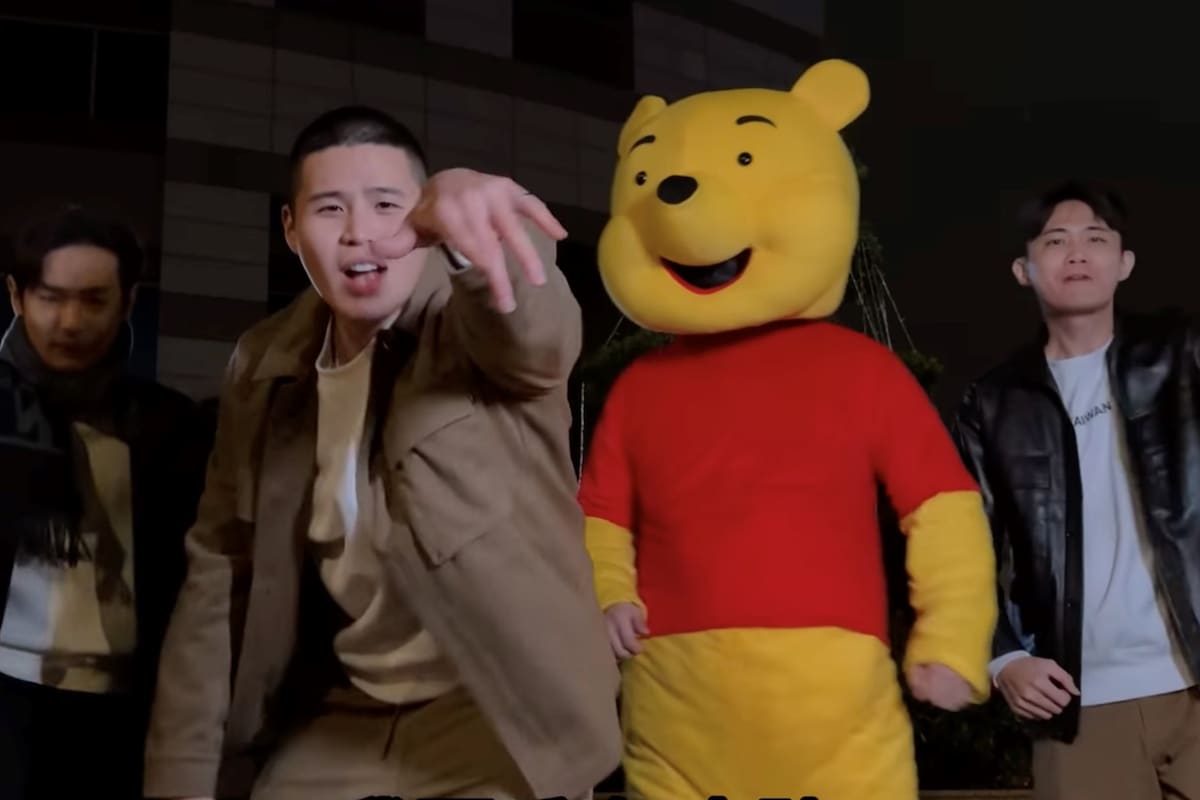
Hip-hop is emerging as a powerful voice in Taiwan, reflecting the island's struggle for identity and autonomy. As artists blend local culture with global influences, they are shaping a narrative that resonates with the younger generation and challenges the status quo.
Hip-Hop Culture: A Catalyst for Taiwan's Identity and Future
In recent years, Taiwan has witnessed a remarkable transformation in its cultural landscape, with hip-hop emerging as a significant force in shaping the island's identity and political discourse. As tensions between Taiwan and Mainland China continue to escalate, artists are using this vibrant genre to express their aspirations for autonomy and self-determination.
Hip-hop, often seen as a voice of the marginalized, has found fertile ground in Taiwan's urban centers. The genre's roots in African American culture resonate with the island's own struggles for recognition and sovereignty. Taiwanese hip-hop artists are not just adopting the style; they are infusing it with local dialects, traditional themes, and contemporary issues, creating a unique sound that speaks to the heart of Taiwan's youth.
One of the most influential figures in this movement is rapper and producer J. Sheon, who has gained a substantial following for his poignant lyrics that address social issues and national identity. His tracks often explore the complexities of being Taiwanese in a world where the island's sovereignty is constantly challenged. Through his music, J. Sheon articulates a narrative of resilience and pride, encouraging young people to embrace their heritage and fight for their future.
Another prominent artist, KAO!INC, has also made waves in the hip-hop scene with his innovative approach to blending traditional Taiwanese elements with modern beats. His music often features instruments and melodies that reflect Taiwan's rich cultural history, creating a bridge between the past and the present. This fusion not only entertains but also educates listeners about the importance of cultural preservation in the face of globalization.
As hip-hop continues to gain traction in Taiwan, it has become a platform for political expression. The genre's inherent rebellious spirit resonates with the younger generation, who are increasingly vocal about their desire for independence. In a society where traditional forms of protest may be stifled, hip-hop offers a creative outlet for dissent. Artists are using their platforms to address issues such as government accountability, environmental concerns, and social justice, all while promoting a distinct Taiwanese identity.
The rise of hip-hop in Taiwan has not gone unnoticed by the government, which has been both supportive and wary of the genre's potential to incite political activism. While some officials recognize the cultural significance of hip-hop as a means of promoting Taiwan's global image, others fear that it may fuel separatist sentiments. This complex relationship adds another layer to the already intricate dynamics of Taiwan's political landscape.
Moreover, the international hip-hop community has begun to take notice of Taiwan's burgeoning scene. Collaborations with artists from other countries have helped to elevate Taiwanese hip-hop on a global stage, showcasing the island's unique perspective and cultural richness. Events like the Taipei Hip-Hop Festival have attracted international attention, bringing together artists and fans from around the world to celebrate the genre and its messages of unity and resistance.
As Taiwan navigates its path forward amidst rising tensions with Mainland China, hip-hop is likely to play an increasingly vital role in shaping the island's cultural identity. By harnessing the power of music and storytelling, Taiwanese artists are not only reflecting the realities of their society but also inspiring a new generation to envision a future where their voices are heard and their identities celebrated.
In conclusion, hip-hop in Taiwan is more than just a musical genre; it is a movement that encapsulates the spirit of a generation yearning for change. As artists continue to push boundaries and challenge norms, they are redefining what it means to be Taiwanese in a rapidly evolving world, ensuring that their culture and aspirations resonate far beyond the shores of their island.