HKU-Developed Eczema Product Offers Hope in the Fight Against Superbugs
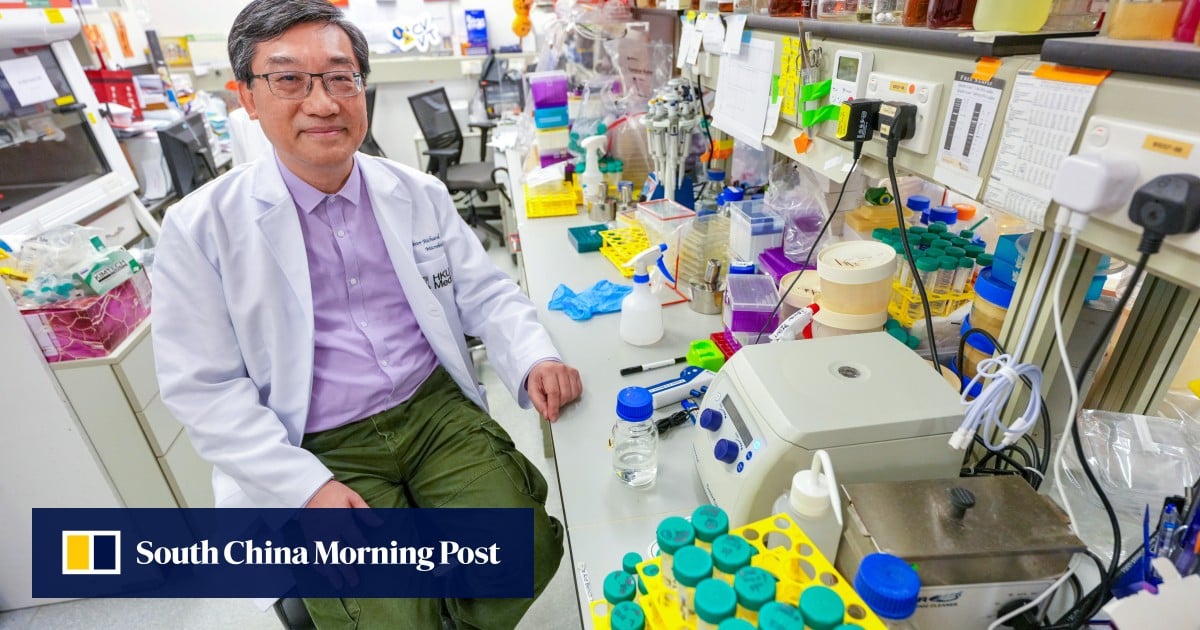
A groundbreaking eczema treatment developed by researchers at the University of Hong Kong could play a crucial role in combating antibiotic-resistant superbugs. This innovative product not only alleviates skin conditions but also enhances the body's natural defenses against harmful bacteria.
Introduction
In a significant breakthrough for both dermatology and infectious disease control, researchers at the University of Hong Kong (HKU) have developed a novel eczema treatment that promises to tackle not only the discomfort associated with skin conditions but also the growing threat of antibiotic-resistant superbugs. As the global health community grapples with the alarming rise of superbugs, this innovative product could be a game-changer.
The Superbug Crisis
Superbugs, or antibiotic-resistant bacteria, have emerged as a major public health threat worldwide. According to the World Health Organization, these pathogens are responsible for hundreds of thousands of deaths each year, primarily due to the ineffectiveness of standard antibiotic treatments. As traditional antibiotics lose their potency, the need for alternative solutions has never been more urgent.
HKU's Innovative Solution
The eczema treatment developed by HKU researchers is a topical formulation that not only addresses the symptoms of eczema—such as itching, redness, and inflammation—but also enhances the skin's natural barrier against bacterial infections. By utilizing a unique blend of natural ingredients, the product works to restore the skin's microbiome, which is essential for maintaining a healthy defense against harmful microorganisms.
How It Works
The product's formulation includes antimicrobial peptides, which are naturally occurring proteins that play a vital role in the immune response. These peptides have been shown to effectively kill a wide range of bacteria, including strains that have developed resistance to conventional antibiotics. By promoting the growth of beneficial bacteria while inhibiting harmful ones, the treatment not only alleviates eczema symptoms but also reduces the risk of secondary infections that can lead to more severe health complications.
Clinical Trials and Future Prospects
Initial clinical trials have shown promising results, with participants reporting significant improvements in their eczema symptoms and a reduced incidence of skin infections. The researchers are currently in the process of conducting larger-scale trials to further validate the efficacy and safety of the product. If successful, this treatment could pave the way for new approaches in managing not only eczema but also other skin conditions that predispose individuals to bacterial infections.
Implications for Public Health
The potential impact of this eczema treatment extends beyond individual patients. By addressing the underlying issues that contribute to the rise of superbugs, the product could play a crucial role in public health strategies aimed at combating antibiotic resistance. With the increasing prevalence of skin conditions and the corresponding risk of infections, this innovative solution could help reduce the burden on healthcare systems and improve patient outcomes.
Conclusion
The development of this HKU-based eczema treatment represents a significant step forward in the fight against superbugs. As researchers continue to explore the potential of this groundbreaking product, it offers hope not only for those suffering from eczema but also for the broader challenge of antibiotic resistance. The collaboration between academia and public health initiatives is essential in addressing these pressing health concerns, and this innovative approach could serve as a model for future research and development in the field.