HKU-Developed Eczema Treatment Paves Way in the Fight Against Superbugs
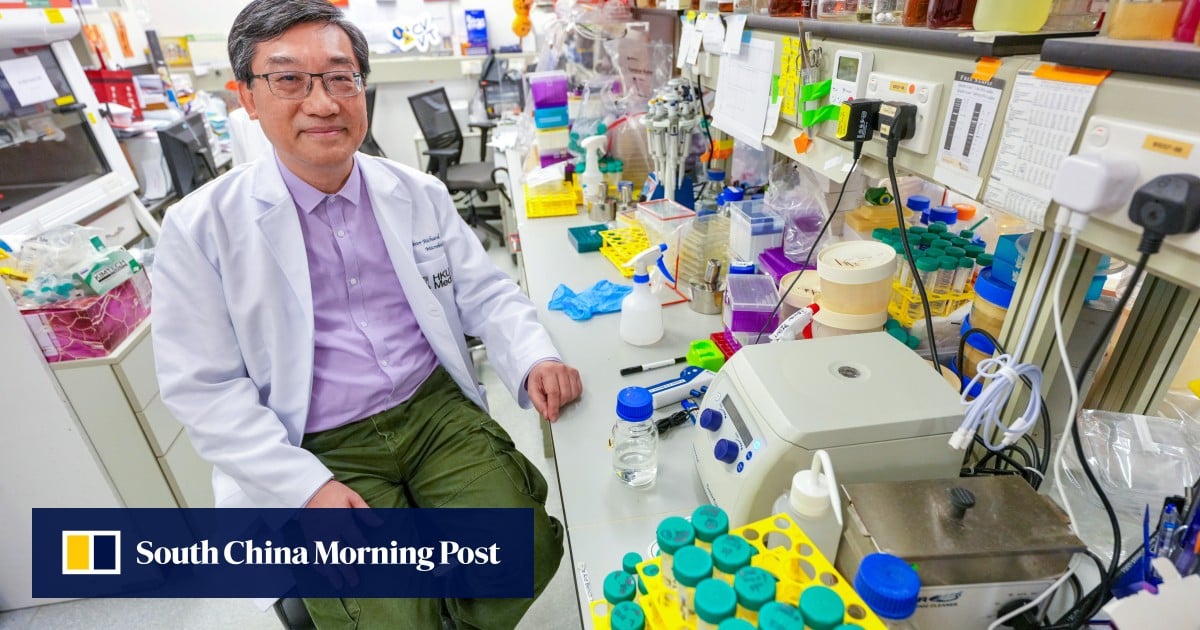
A groundbreaking eczema treatment developed by researchers at the University of Hong Kong (HKU) shows promise not only in alleviating skin conditions but also in combating antibiotic-resistant superbugs. This innovative product could revolutionize the way we approach both dermatological health and the growing threat of superbugs worldwide.
Introduction
In a significant breakthrough, researchers at the University of Hong Kong (HKU) have developed a novel treatment for eczema that may also hold the key to fighting antibiotic-resistant superbugs. As the global health community grapples with the rising threat of superbugs, this new product offers a dual benefit: alleviating chronic skin conditions while simultaneously addressing a pressing public health crisis.
The Development of the Eczema Treatment
The eczema treatment, which is based on a unique formulation, leverages natural ingredients known for their anti-inflammatory and antimicrobial properties. The research team, led by Dr. Jane Lee, has spent years refining this product, ensuring it is not only effective for eczema sufferers but also safe for long-term use.
Superbugs: A Growing Concern
Superbugs, or antibiotic-resistant bacteria, pose a significant threat to global health, leading to an estimated 700,000 deaths annually. The World Health Organization has warned that without urgent action, this figure could rise to 10 million by 2050. Traditional antibiotics are becoming less effective, making the search for alternative treatments more critical than ever.
How the Eczema Treatment Works
The HKU-developed product works by targeting the skin's microbiome, promoting the growth of beneficial bacteria while inhibiting harmful strains. This approach not only helps to manage eczema flare-ups but also reduces the risk of infections that can lead to antibiotic use. By decreasing reliance on traditional antibiotics, the treatment could play a vital role in curbing the superbug crisis.
Clinical Trials and Results
Initial clinical trials have shown promising results, with participants reporting significant improvements in their eczema symptoms. In addition to skin health, the trials indicated a reduction in the presence of harmful bacteria on the skin, suggesting that the treatment could effectively lower the risk of secondary infections.
Potential Impact on Public Health
If widely adopted, this eczema treatment could transform the landscape of dermatological care and antibiotic use. Patients suffering from eczema often face recurrent skin infections, leading to a cycle of antibiotic prescriptions. By addressing both the skin condition and the risk of infections, this product could reduce the overall demand for antibiotics, contributing to the fight against superbugs.
Future Directions
Looking ahead, the research team at HKU is exploring the potential for this treatment to be adapted for other skin conditions and even broader applications in infection control. Collaborations with healthcare providers and pharmaceutical companies are underway to ensure that this innovative product reaches those who need it most.
Conclusion
The development of this eczema treatment by HKU researchers marks a significant advancement not only in dermatological care but also in the global fight against antibiotic resistance. As the world continues to confront the challenges posed by superbugs, innovative solutions like this one are essential in safeguarding public health for future generations.