HKU Scientists Develop Revolutionary Steel for Green Hydrogen Applications
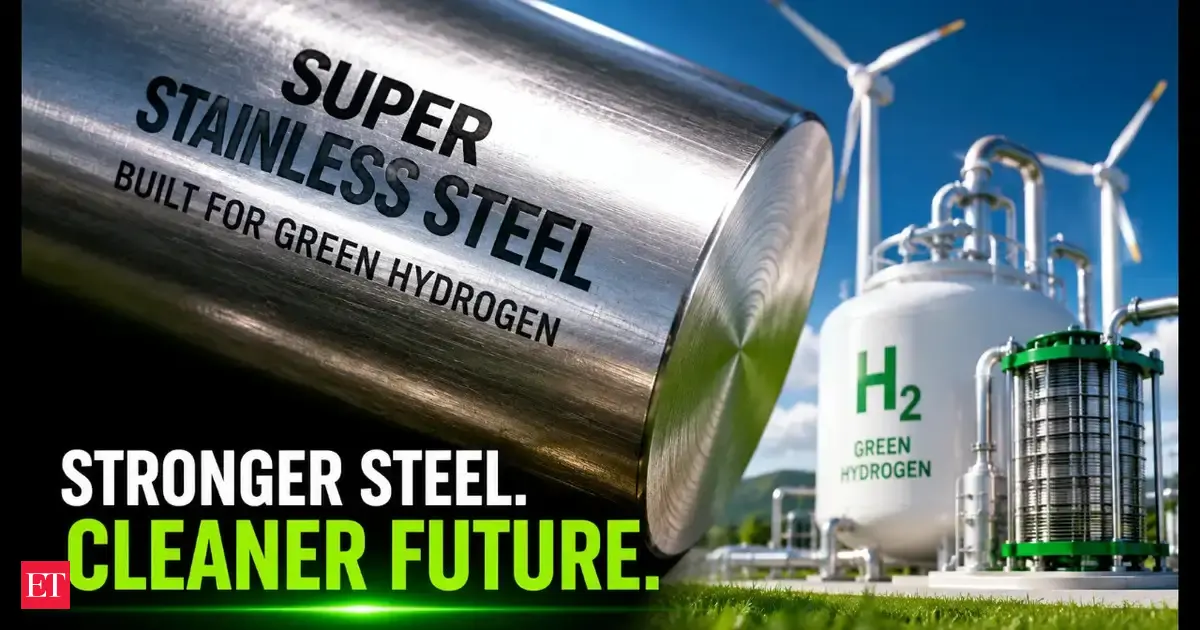
After nearly six years of research, scientists at the University of Hong Kong have developed a groundbreaking steel that can withstand extreme conditions in seawater. This innovation could significantly reduce the costs of structural materials for green hydrogen production by up to 40 times.
Introduction
In a remarkable breakthrough, scientists at the University of Hong Kong (HKU) have developed a new type of steel that can endure extreme conditions, specifically designed for applications in green hydrogen production. After nearly six years of intensive research, this innovative material has demonstrated the ability to survive in seawater with a voltage of 1,700 mV, potentially replacing titanium parts and significantly reducing structural material costs.
The Need for Innovation
As the world shifts towards sustainable energy solutions, the demand for efficient and cost-effective materials in the production of green hydrogen has surged. Green hydrogen, produced through the electrolysis of water using renewable energy sources, is considered a key player in the transition to a low-carbon economy. However, the materials currently used in the production process, such as titanium, are often prohibitively expensive and not always durable enough to withstand harsh environmental conditions.
Breakthrough in Material Science
The research team at HKU, led by a group of dedicated scientists, embarked on a mission to create a steel that could not only withstand the corrosive effects of seawater but also offer a more economical alternative to titanium. Their efforts culminated in the development of this new steel, which has shown remarkable resilience under extreme conditions, making it an ideal candidate for use in green hydrogen production.
Cost-Effectiveness and Environmental Impact
One of the most significant advantages of this new steel is its potential to reduce structural material costs by up to 40 times compared to traditional titanium parts. This drastic reduction in costs could pave the way for more widespread adoption of green hydrogen technology, making it more accessible for various industries, including transportation, power generation, and heavy manufacturing.
Potential Applications
The applications of this innovative steel extend beyond just green hydrogen production. Its durability and resistance to corrosion make it suitable for use in marine environments, offshore wind farms, and other industries that require robust materials capable of withstanding extreme conditions. This versatility could lead to a significant shift in how materials are utilized across various sectors, ultimately contributing to a more sustainable future.
Future Directions
Looking ahead, the HKU research team plans to further explore the properties of this new steel and its potential applications in other fields. Collaborations with industry partners are also on the horizon, as the team seeks to bring their groundbreaking material from the laboratory to real-world applications. The implications of this research could extend far beyond Hong Kong, influencing global efforts toward sustainability and green technology.
Conclusion
The development of this revolutionary steel by HKU scientists marks a significant milestone in the pursuit of sustainable energy solutions. As the world grapples with the challenges of climate change and the need for cleaner energy sources, innovations like this are crucial in driving the transition toward a more sustainable and economically viable future. With further research and collaboration, this new material could play a pivotal role in the green hydrogen revolution, transforming industries and paving the way for a cleaner planet.