Hong Kong Activists Convicted of 'Subversion' for Mourning Tiananmen Square Massacre
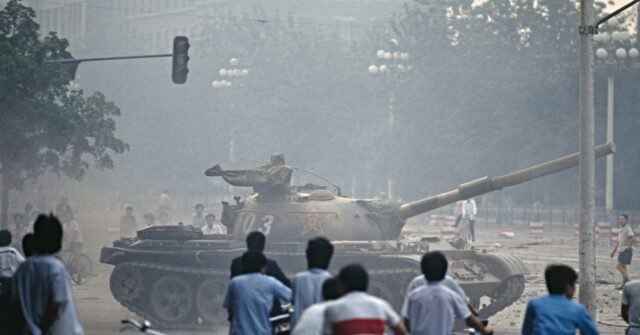
In a significant ruling, a Hong Kong court has convicted several pro-democracy activists for subversion related to their public mourning of the Tiananmen Square massacre. This case underscores the tightening grip of the Chinese government on dissent in the region.
Activists Face Sentences for Commemorating Tiananmen Square
In a landmark decision that has sent shockwaves through the pro-democracy community, a Hong Kong court has convicted multiple activists of subversion for their involvement in commemorating the Tiananmen Square massacre. This ruling marks a significant escalation in the crackdown on dissent in the city, which has seen a series of similar prosecutions under the National Security Law imposed by Beijing.
Background of the Case
The activists, including prominent figures from the now-defunct Hong Kong Alliance in Support of Patriotic Democratic Movements of China, were charged after they organized a candlelight vigil to honor the victims of the 1989 Tiananmen Square protests. The vigil, which has been held annually for over three decades, was banned in 2020 and 2021 under the pretext of public health concerns due to the COVID-19 pandemic. However, many believe the ban was a deliberate attempt to suppress any form of dissent or public remembrance of the events that led to the brutal crackdown by Chinese authorities.
Details of the Conviction
The court's ruling concluded that the activists' actions constituted subversion, a charge that carries severe penalties under the National Security Law. The law, enacted in June 2020, has been criticized for its vague definitions and broad scope, allowing authorities to target a wide range of activities that they deem threatening to national security. The convicted activists now face lengthy prison sentences, which could further deter public expressions of dissent in Hong Kong.
International Reactions
The convictions have drawn widespread condemnation from international human rights organizations and foreign governments. Critics argue that the ruling exemplifies the erosion of freedoms in Hong Kong and the increasing authoritarianism of the Chinese government. The United States and several European nations have called for the immediate release of the activists, labeling the charges as politically motivated and a violation of the rights to free expression and assembly.
The Impact on Hong Kong's Civil Society
This ruling is seen as part of a broader strategy by the Chinese government to dismantle civil society in Hong Kong. Many organizations, particularly those advocating for democracy and human rights, have been forced to disband or operate underground due to the fear of reprisals. The chilling effect of such convictions is palpable, as many citizens are now wary of participating in any form of protest or public commemoration.
Looking Ahead
As Hong Kong continues to grapple with the implications of the National Security Law, the future of activism and civil liberties in the region remains uncertain. The convictions of these activists serve as a stark reminder of the risks faced by those who dare to challenge the status quo. While the international community calls for accountability and the protection of human rights, the reality on the ground in Hong Kong suggests that the struggle for democracy is far from over.
Conclusion
The recent convictions of Hong Kong activists for mourning the Tiananmen Square massacre highlight the ongoing conflict between the aspirations of the pro-democracy movement and the repressive measures employed by the Chinese government. As the situation evolves, the resilience of Hong Kong's civil society will be tested, and the world will be watching closely.