Hong Kong and Mainland Hospitals Forge New Partnerships to Enhance Healthcare Services
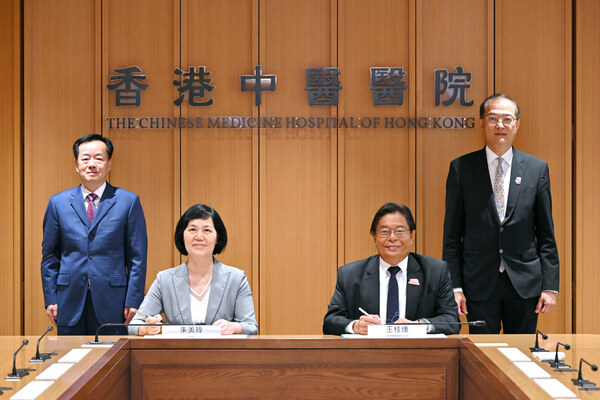
In a significant move to bolster healthcare collaboration, hospitals in Hong Kong and Mainland China have signed agreements aimed at improving medical services. This initiative is expected to facilitate knowledge exchange and enhance patient care across borders.
Hong Kong and Mainland Hospitals Forge New Partnerships
In a landmark development for healthcare collaboration, hospitals from Hong Kong and Mainland China have officially signed a series of agreements that promise to enhance medical services and patient care across borders. The pacts, which were formalized during a recent ceremony, aim to promote knowledge sharing, joint research initiatives, and improved healthcare delivery in both regions.
Strengthening Ties Through Collaboration
The agreements were signed by representatives from several prominent hospitals in Hong Kong and their counterparts in Mainland China. This initiative comes at a time when both regions are looking to strengthen their healthcare systems in the wake of the COVID-19 pandemic, which has underscored the importance of robust healthcare infrastructure and cooperation.
Among the hospitals involved in this collaboration are the Hong Kong Sanatorium & Hospital and the Peking Union Medical College Hospital. These institutions are recognized for their high standards of medical care and research capabilities, making them ideal partners in this endeavor.
Key Areas of Focus
The agreements focus on several key areas, including the exchange of medical professionals, joint clinical research projects, and the sharing of best practices in patient care. By facilitating the movement of healthcare workers between Hong Kong and Mainland hospitals, the initiative aims to enhance the skills and expertise of medical staff in both regions.
Additionally, the collaboration is expected to lead to joint research initiatives that will address pressing health issues affecting both populations. This could include studies on chronic diseases, mental health, and the long-term effects of COVID-19, among other critical areas.
Enhancing Patient Care
One of the primary goals of these partnerships is to improve patient care through shared resources and expertise. By working together, hospitals can develop more comprehensive treatment plans and offer patients access to a wider range of medical services.
For instance, patients in Hong Kong may benefit from specialized treatments available in Mainland hospitals and vice versa. This cross-border collaboration is expected to reduce wait times for certain procedures and improve overall patient outcomes.
A Vision for the Future
The signing of these agreements marks a significant step towards a more integrated healthcare system between Hong Kong and Mainland China. It reflects a growing recognition of the need for collaboration in addressing health challenges that transcend regional boundaries.
Health officials from both sides expressed optimism about the potential impact of this initiative. They emphasized that by working together, they can leverage each other's strengths and resources to create a more resilient healthcare system capable of responding to future challenges.
Community Response
The community response to the news has been largely positive, with many expressing hope that these partnerships will lead to tangible improvements in healthcare services. Patients and healthcare professionals alike are eager to see the benefits of this collaboration unfold in the coming months and years.
As the healthcare landscape continues to evolve, the partnerships formed through these agreements will serve as a model for future collaborations between Hong Kong and Mainland China. With a shared commitment to enhancing healthcare services, both regions are poised to make significant strides in improving the health and well-being of their populations.
Conclusion
The signing of these pacts between Hong Kong and Mainland hospitals represents a promising new chapter in healthcare collaboration. As both regions work together to enhance medical services and patient care, the potential for improved health outcomes is immense, paving the way for a healthier future for all.