Hong Kong and Mainland Hospitals Forge New Partnerships to Enhance Healthcare Services
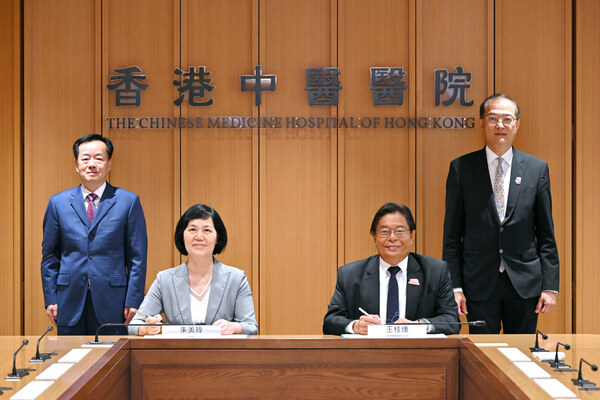
In a significant move to bolster healthcare collaboration, Hong Kong hospitals have signed agreements with their Mainland counterparts. This initiative aims to improve medical services and patient care across the border.
Strengthening Healthcare Ties
In a landmark development for the healthcare sector, several hospitals in Hong Kong have entered into strategic partnerships with a number of hospitals in Mainland China. This initiative, announced by the Hong Kong government, aims to enhance the quality of medical services available to residents in both regions, ensuring better healthcare outcomes and more efficient patient care.
Details of the Agreements
The agreements, which were signed during a ceremony attended by health officials from both sides, focus on various collaborative efforts including sharing medical expertise, joint research projects, and the exchange of best practices in healthcare delivery. The partnerships will also facilitate patient referrals and the sharing of resources, thereby enabling hospitals to manage patient loads more effectively.
Benefits for Patients
One of the primary goals of these agreements is to provide Hong Kong residents with improved access to specialized medical services available in Mainland hospitals. Patients requiring advanced treatments or surgeries that may not be readily available in Hong Kong will benefit from streamlined processes that allow for quicker referrals and admissions to Mainland facilities. This is particularly crucial for patients with complex medical conditions who may need immediate attention.
Government Support and Vision
The Hong Kong government has expressed strong support for this initiative, emphasizing its commitment to enhancing healthcare services for the community. Health Secretary, Dr. Sophia Chan, highlighted that these partnerships are part of a broader strategy to integrate healthcare services across borders, which is essential in today’s interconnected world. “By collaborating with our Mainland counterparts, we are not only improving healthcare access but also fostering a spirit of cooperation that can lead to innovative solutions in medical care,” she stated.
Addressing Challenges
While the agreements have been welcomed as a positive step forward, there are challenges that need to be addressed. Concerns regarding the differences in healthcare standards, language barriers, and the logistics of patient transfers have been raised. Both sides are committed to overcoming these obstacles through careful planning and ongoing dialogue to ensure that patient safety and quality of care remain paramount.
Future Prospects
Looking ahead, the partnerships are expected to evolve, with potential expansions into telemedicine and digital health solutions. As technology continues to advance, the integration of digital health platforms may facilitate easier communication between healthcare providers in Hong Kong and Mainland China, further enhancing patient care and collaboration.
Community Reactions
Community leaders and healthcare professionals in Hong Kong have largely welcomed the news, seeing it as a necessary evolution in the region’s healthcare landscape. Many believe that such collaborations can lead to a more resilient healthcare system capable of addressing the needs of a growing and aging population. “This is a significant step towards a more integrated healthcare system that can better serve our communities,” said Dr. Wong, a prominent figure in Hong Kong’s medical community.
Conclusion
The signing of these agreements marks a pivotal moment in the relationship between Hong Kong and Mainland China in the realm of healthcare. As both sides work together to implement these initiatives, the ultimate goal remains clear: to provide the highest quality of care to patients, regardless of where they seek treatment. With ongoing cooperation and commitment, the future of healthcare in the region looks promising.