Hong Kong Begins National Security Trial of Tiananmen Vigil Group
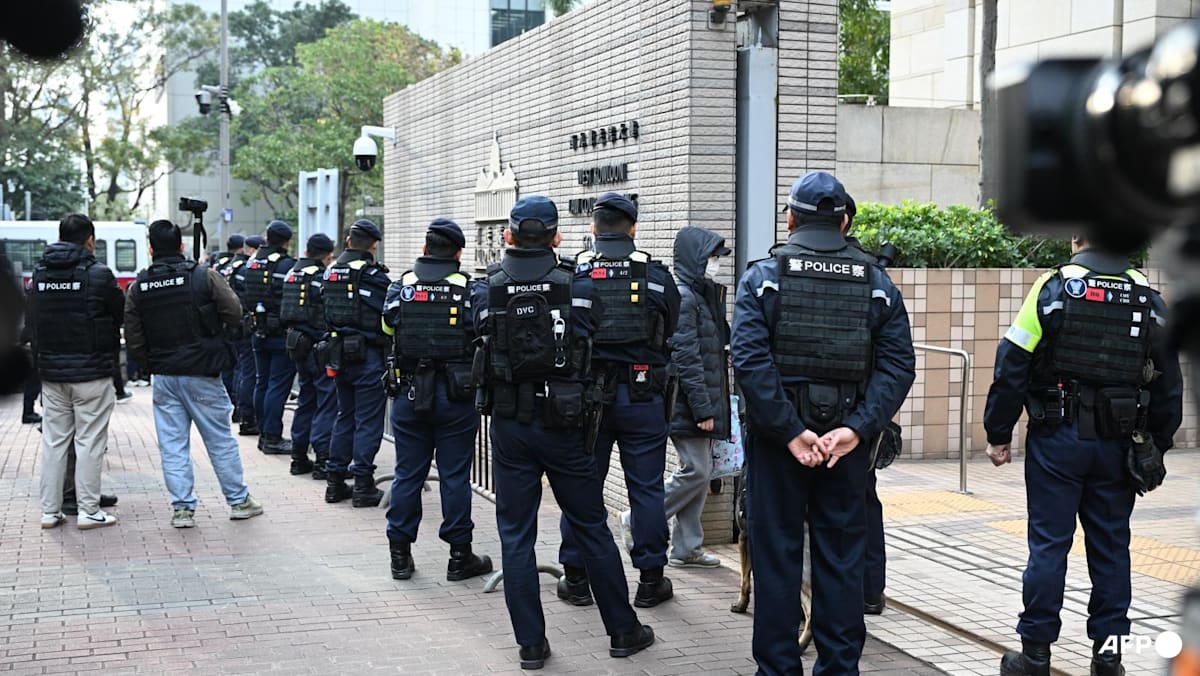
The trial of members from the Hong Kong Alliance in Support of Patriotic Democratic Movements of China has commenced, marking a significant moment in the city's ongoing struggle for political expression. The group is accused of violating the national security law, which has been a focal point of controversy in recent years.
Trial of Tiananmen Vigil Group Under National Security Law
Hong Kong has officially begun the national security trial of the Hong Kong Alliance in Support of Patriotic Democratic Movements of China, a group known for organizing annual vigils commemorating the Tiananmen Square massacre. The trial, which has drawn international attention, is seen as a critical test of the city’s legal framework under the controversial national security law imposed by Beijing in 2020.
Background of the Hong Kong Alliance
The Hong Kong Alliance, established in 1989, has been a prominent voice in advocating for democracy and human rights in China. For over three decades, the group organized candlelight vigils to honor the victims of the Tiananmen Square crackdown, drawing thousands of participants each year. However, following the enactment of the national security law, which criminalizes acts of secession, subversion, terrorism, and collusion with foreign forces, the group has faced increasing scrutiny and legal challenges.
Charges Against the Group
Members of the Alliance, including prominent activists, have been charged with inciting hatred against the Chinese government and promoting subversive activities. The prosecution argues that the group’s activities undermine national security and threaten the stability of Hong Kong. Critics, however, contend that the charges are politically motivated and aimed at silencing dissent in the city.
International Reactions
The trial has sparked widespread condemnation from human rights organizations and foreign governments. Many view the proceedings as part of a broader crackdown on civil liberties in Hong Kong, which has seen a significant erosion of freedoms since the implementation of the national security law. The United States, among other nations, has expressed concern over the implications of the trial for freedom of expression and the rule of law in the region.
Legal Proceedings and Implications
The trial is expected to last several weeks, with a series of witnesses and evidence being presented. Legal experts suggest that the outcome could set a precedent for future cases involving pro-democracy activists and organizations in Hong Kong. The court proceedings will be closely monitored, as they may influence public sentiment and the political landscape in the city.
Public Sentiment and Future of Dissent
As the trial unfolds, public sentiment in Hong Kong remains divided. While some residents express support for the government’s efforts to maintain stability, others fear that the ongoing legal actions against activists will further stifle political expression. The trial has already led to increased tensions within the community, with many questioning the future of dissent and activism in Hong Kong.
Conclusion
The commencement of the national security trial against the Hong Kong Alliance in Support of Patriotic Democratic Movements of China marks a pivotal moment in the city’s ongoing struggle for political expression and human rights. As the world watches closely, the implications of this trial will likely resonate far beyond Hong Kong, shaping the future of civil liberties in the region and the broader international response to China’s governance.