Hong Kong Border Agents Empowered to Demand Device Passwords from Travelers
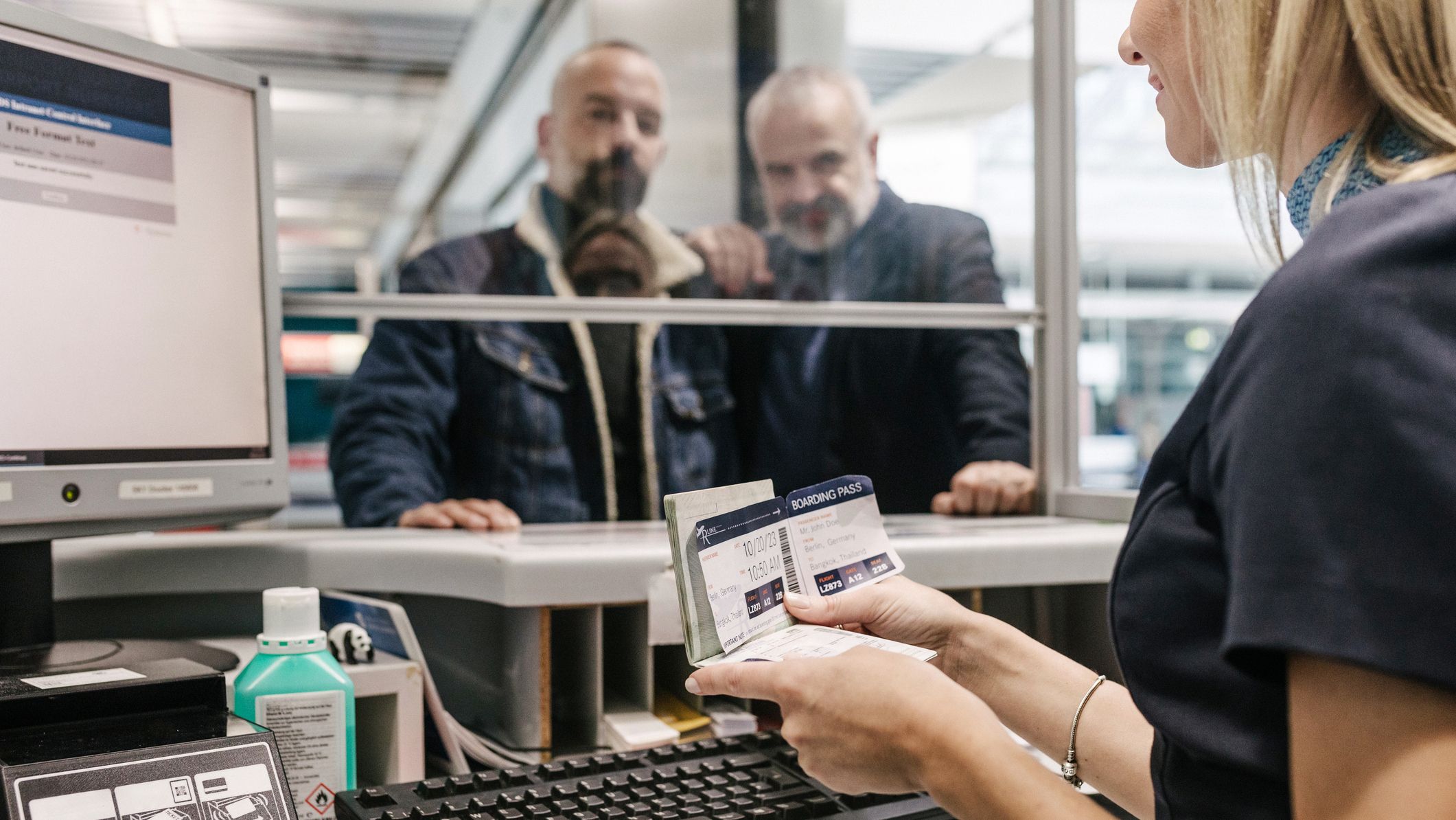
Hong Kong's border control measures have intensified, allowing agents to demand passwords from travelers, including US citizens. This development raises concerns about privacy and the implications of invasive border security worldwide.
Invasive Border Controls on the Rise
In a significant shift in border security measures, Hong Kong has empowered its border agents and police to demand device passwords from travelers, including US citizens. This new policy, which aligns with a global trend toward more invasive border controls, has sparked concerns regarding privacy rights and the implications for international travelers.
Legal Framework and Enforcement
Under the new regulations, travelers entering or leaving Hong Kong may be required to unlock their electronic devices, such as smartphones, laptops, and tablets, upon request from border officials. Failure to comply with this demand could result in penalties, including imprisonment. This legal framework raises questions about the balance between national security and individual privacy, particularly as it applies to foreign nationals.
Global Context of Border Security
The move by Hong Kong is part of a broader trend observed worldwide, where countries are increasingly adopting stringent border control measures. With the rise of digital technology and the proliferation of personal devices, governments are seeking to enhance their security protocols. However, this has led to growing concerns among civil rights advocates and privacy experts regarding the potential for abuse and the erosion of personal freedoms.
Implications for Travelers
For travelers, particularly those from the United States, this policy presents a new set of challenges. Many individuals carry sensitive information on their devices, including personal data, financial records, and confidential communications. The prospect of being compelled to unlock devices raises fears about unauthorized access to private information and the potential for data breaches.
Reactions from Civil Liberties Groups
Civil liberties organizations have expressed alarm over these developments, arguing that demanding passwords from travelers constitutes an infringement on privacy rights. Critics contend that such practices could lead to discriminatory enforcement, where certain groups may be disproportionately targeted. The lack of clear guidelines on how these powers will be exercised further exacerbates these concerns.
Potential Legal Challenges
As this policy is implemented, legal challenges may arise. Advocates for privacy rights are likely to contest the legality of such demands, arguing that they violate fundamental rights protected under both local and international law. The outcome of these challenges could set important precedents regarding the extent of government authority in the digital age.
Advice for Travelers
Travelers heading to Hong Kong are advised to take precautions to protect their digital privacy. This includes considering the use of temporary devices or securing sensitive information through encryption. Additionally, travelers should be aware of their rights and the legal implications of refusing to comply with password demands.
Conclusion
The decision by Hong Kong to allow border agents to demand passwords from travelers marks a significant development in the ongoing debate over privacy and security. As border controls become increasingly invasive, it is crucial for individuals to remain informed and vigilant about their rights while navigating the complexities of international travel in a digital world.