Hong Kong Celebrates Surplus but Faces Sustainability Challenges Ahead
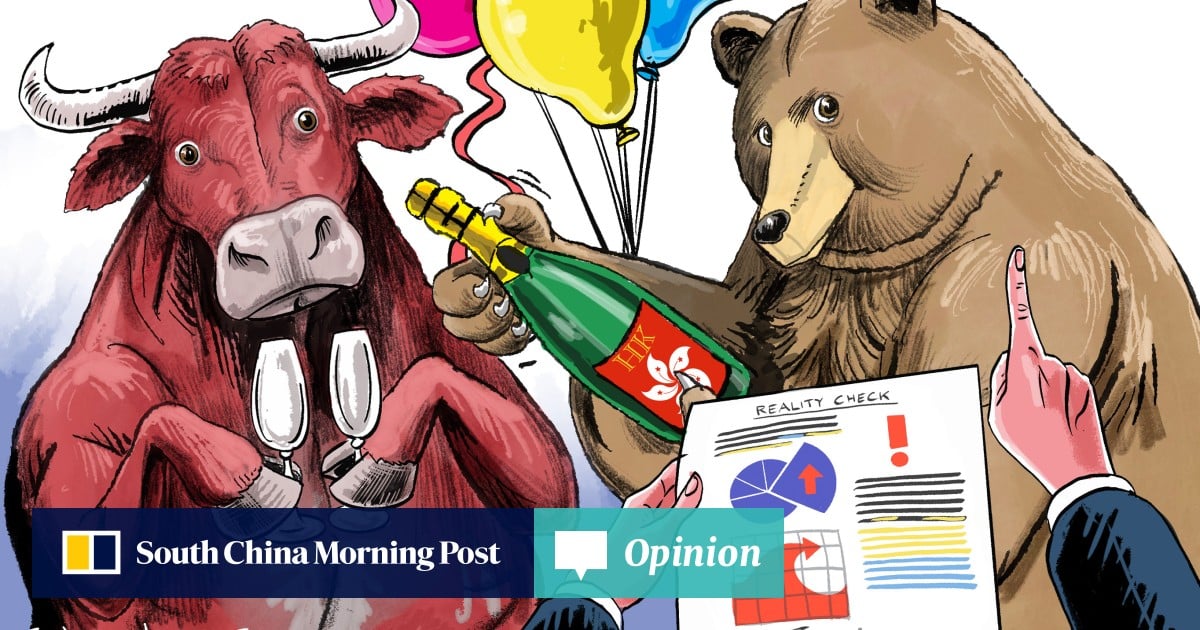
Hong Kong recently announced a significant budget surplus, marking a positive economic milestone. However, experts warn that the city must focus on long-term strategies to sustain this financial success amidst global uncertainties.
Introduction
In a recent announcement, the Hong Kong government celebrated a remarkable budget surplus, a welcome development after years of economic challenges exacerbated by the COVID-19 pandemic. This surplus, amounting to billions of dollars, has sparked discussions among policymakers, economists, and the public about the future of Hong Kong's economy and the necessary steps to ensure that this financial success is not just a fleeting moment.
The Significance of the Surplus
The surplus, reported to be around HKD 30 billion, is a significant turnaround from previous years where deficits were the norm. This positive shift is attributed to a combination of factors, including a rebound in tourism, increased consumer spending, and effective government measures to stimulate the economy. The surplus provides the government with an opportunity to invest in public services, infrastructure, and social welfare programs, which have been under strain in recent years.
Challenges Ahead
Despite the celebratory mood surrounding the surplus, experts caution that maintaining this financial health will require strategic planning and foresight. The global economic landscape remains unpredictable, with rising inflation rates, supply chain disruptions, and geopolitical tensions that could impact Hong Kong's economy. Additionally, the city faces internal challenges such as an aging population and a competitive job market that necessitate long-term solutions.
Strategies for Sustainability
To ensure that the surplus translates into sustained economic growth, analysts suggest several strategies. Firstly, the government should prioritize investments in technology and innovation to diversify the economy beyond its traditional reliance on finance and real estate. By fostering a vibrant tech ecosystem, Hong Kong can attract startups and talent, creating new job opportunities and driving economic growth.
Secondly, enhancing social welfare programs is crucial. The surplus presents a unique opportunity to address pressing social issues such as housing affordability, healthcare access, and education. By investing in these areas, the government can improve the quality of life for residents and create a more equitable society, which in turn can lead to a more stable economy.
Engaging the Community
Moreover, engaging with the community is vital for the sustainability of the surplus. The government should involve citizens in the decision-making process regarding budget allocations and public projects. By fostering a sense of ownership and participation among residents, the government can build trust and ensure that the needs of the community are met.
Conclusion
As Hong Kong celebrates its budget surplus, the focus must now shift to how to sustain this achievement in the long run. By investing in innovation, enhancing social welfare, and engaging with the community, the government can lay the groundwork for a resilient economy that benefits all residents. The path ahead is fraught with challenges, but with careful planning and strategic investment, Hong Kong can navigate these uncertainties and secure a prosperous future.