Hong Kong Court Rules PwC Must Remain in Evergrande Case
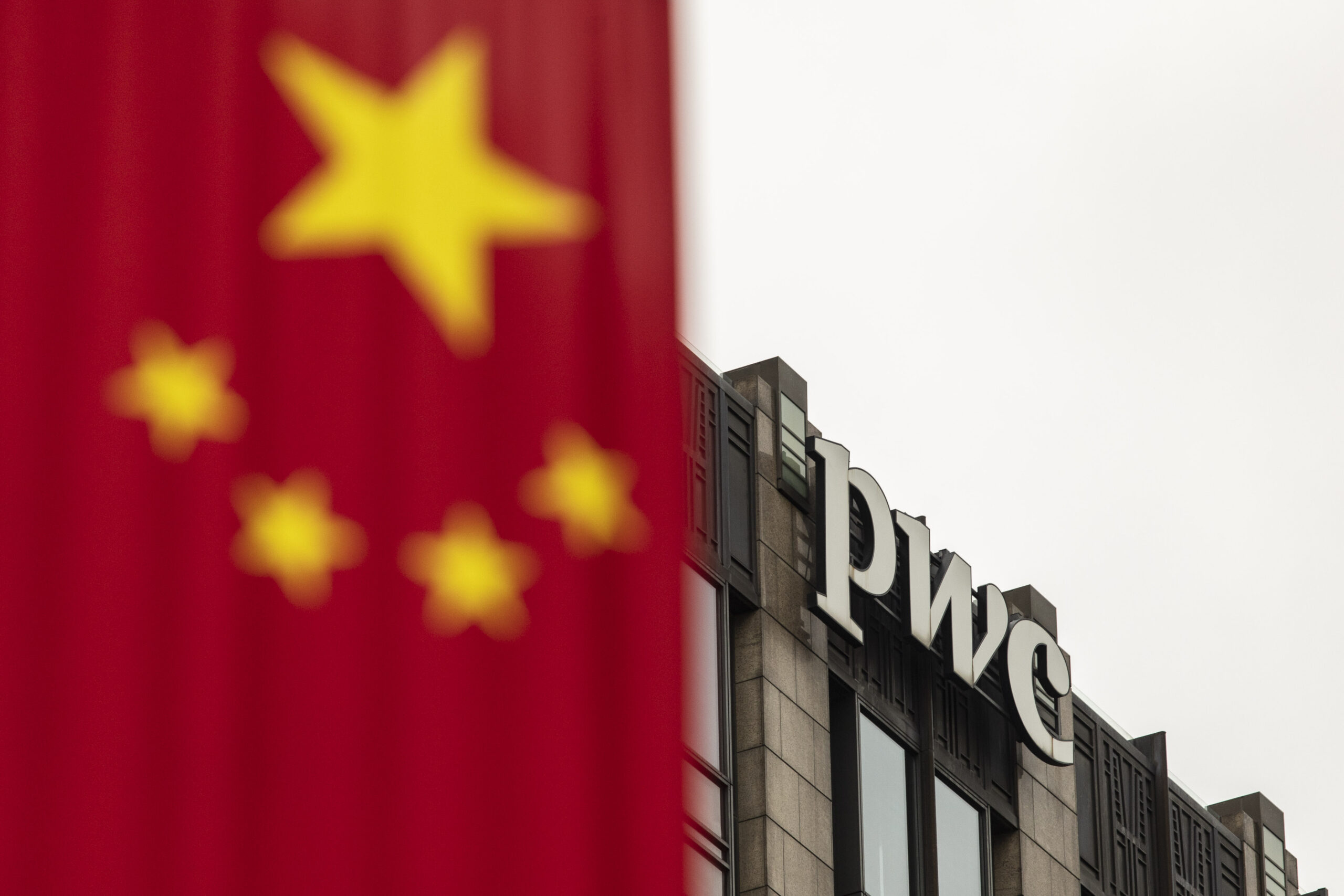
A Hong Kong court has ruled that PwC International cannot exit its role in the ongoing Evergrande case, highlighting the complexities of the financial crisis surrounding the Chinese property giant. The decision underscores the challenges faced by stakeholders as they navigate the repercussions of Evergrande's staggering debt.
Hong Kong Court Rules PwC Must Remain in Evergrande Case
In a significant legal development, the High Court of Hong Kong has ruled that PwC International, one of the world’s leading professional services firms, cannot withdraw from its role as the court-appointed supervisor in the ongoing bankruptcy proceedings of China Evergrande Group. This decision comes amidst the backdrop of one of the largest financial crises in China's real estate sector, where Evergrande's staggering debt has raised concerns not only for its investors but also for the broader economy.
The Background of the Evergrande Crisis
Evergrande, once the largest property developer in China, has been grappling with over $300 billion in liabilities, leading to a series of defaults that have sent shockwaves through the global financial markets. The company's financial troubles began to surface in 2021 when it failed to meet interest payments on its bonds, prompting fears of a potential collapse that could have far-reaching implications for the Chinese economy and beyond.
The Role of PwC International
PwC was appointed as the supervisor in the restructuring process in 2022, tasked with overseeing the company’s financial recovery and ensuring compliance with local laws and regulations. The firm’s expertise in financial advisory and restructuring was deemed essential for navigating the complex web of creditors and stakeholders involved in the case.
The Court's Ruling
The ruling, delivered by Justice Andrew Chan, emphasized the importance of continuity and stability in the restructuring process, stating that PwC's departure could jeopardize the ongoing efforts to stabilize Evergrande's operations and protect the interests of creditors. The court highlighted that the firm has been instrumental in facilitating discussions among creditors and has played a crucial role in formulating a viable restructuring plan.
Implications for Stakeholders
The court's decision is a double-edged sword for stakeholders involved in the Evergrande case. On one hand, it provides a sense of continuity and assurance that the restructuring process will remain under the guidance of experienced professionals. On the other hand, it raises questions about the transparency and effectiveness of the restructuring efforts, particularly given the scale of Evergrande's debts and the potential for conflicts of interest.
Reactions from the Financial Community
The ruling has elicited mixed reactions from the financial community. Some analysts argue that PwC's expertise is vital for navigating the complexities of the case, while others express concerns about the potential for prolonged delays in the restructuring process. Investors are closely monitoring the situation, as the outcome of the Evergrande case could set a precedent for how similar cases are handled in the future.
Looking Ahead
As the Evergrande case continues to unfold, the focus will remain on PwC's ability to steer the company towards a successful restructuring. The court's ruling underscores the challenges faced by both the firm and the creditors as they work towards a resolution that balances the interests of all parties involved. With the stakes higher than ever, the coming months will be critical in determining the future of Evergrande and its impact on the broader real estate market in China.
Conclusion
The Hong Kong court's decision to keep PwC International in the Evergrande case marks a pivotal moment in the ongoing saga of one of the world's largest corporate debt crises. As stakeholders continue to navigate this complex landscape, the outcome of the restructuring process will be closely watched, not just for its implications on Evergrande, but for the future of the Chinese economy as a whole.