Hong Kong Court Upholds Convictions of Activists Amid Ongoing Political Tensions
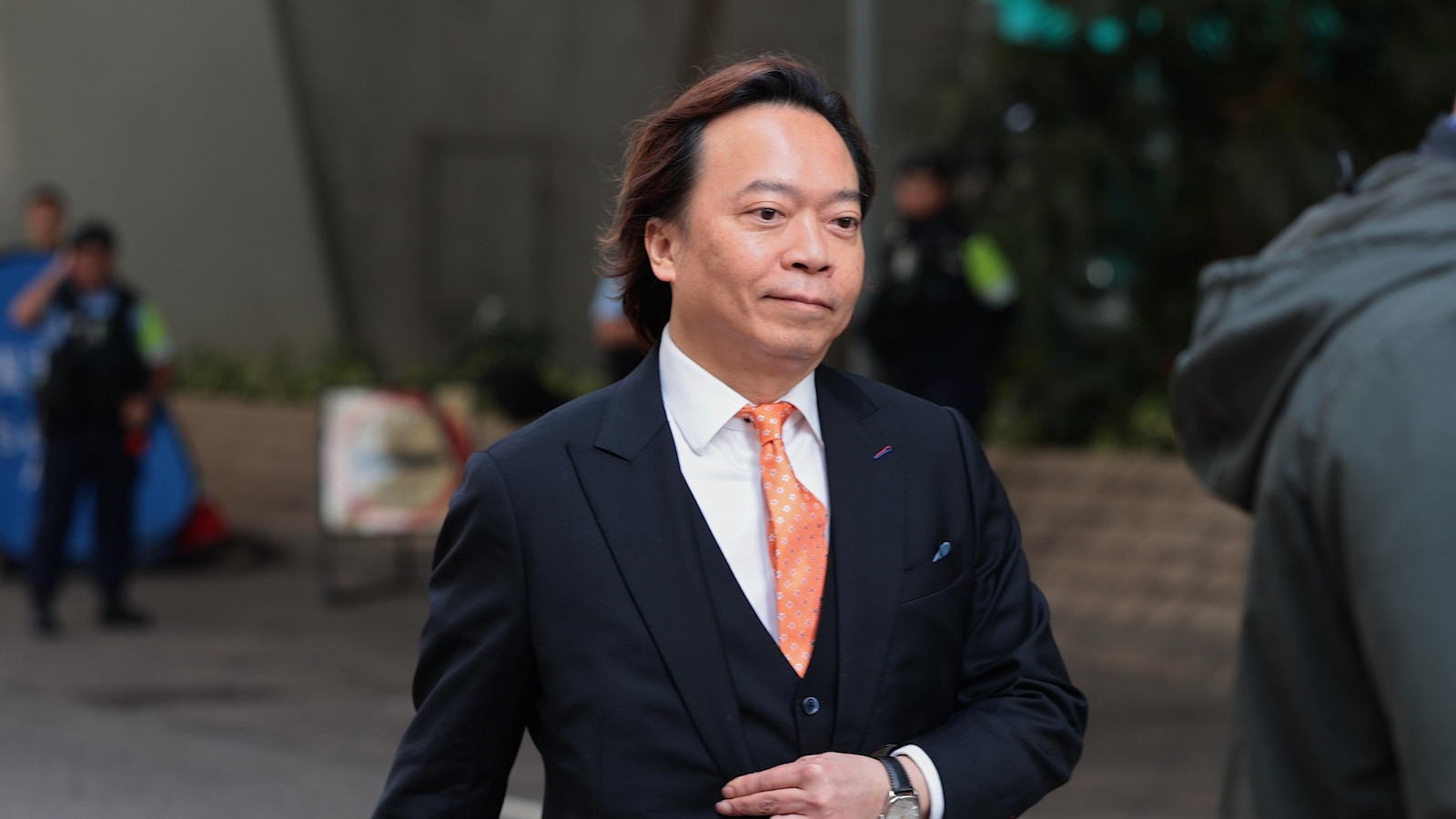
A Hong Kong court has upheld the convictions of approximately a dozen activists, reinforcing the government's stance on dissent. This decision comes as part of a broader crackdown on pro-democracy movements in the region.
Overview of the Ruling
In a significant ruling that has drawn both local and international attention, a Hong Kong court has upheld the convictions of about a dozen activists who were charged with various offenses related to their participation in pro-democracy protests. The court's decision, delivered on Wednesday, emphasizes the government's ongoing commitment to suppress dissent in the wake of widespread protests that erupted in 2019.
Background of the Activists
The activists, many of whom are prominent figures in Hong Kong's pro-democracy movement, were initially convicted in connection with their roles in organizing and participating in unauthorized assemblies. These gatherings were part of a larger wave of protests against the Hong Kong government's increasing alignment with Beijing and the erosion of civil liberties in the region. The court's ruling serves as a stark reminder of the legal risks faced by those who challenge the status quo in Hong Kong.
Legal Implications
The upheld convictions have raised concerns among legal experts and human rights advocates, who argue that the judicial system in Hong Kong is being used as a tool to stifle political dissent. Critics have pointed to the National Security Law, enacted in June 2020, as a key factor in the increasing number of prosecutions against activists and opposition figures. The law has been widely criticized for its vague definitions and harsh penalties, which many believe undermine the rule of law and the rights of individuals.
Reactions from Activists and Supporters
In response to the court's ruling, several of the convicted activists expressed their disappointment but reaffirmed their commitment to the pro-democracy cause. One activist stated, "This ruling is not just an attack on us, but on the very principles of freedom and democracy that Hong Kong stands for." Supporters of the movement have also rallied in solidarity, organizing protests and vigils to highlight the plight of those imprisoned for their political beliefs.
International Response
The international community has reacted strongly to the court's decision, with several foreign governments and human rights organizations condemning the ruling. The United States Department of State issued a statement calling for the immediate release of all political prisoners in Hong Kong, while Amnesty International described the convictions as a "sham trial" that undermines the fundamental rights of Hong Kong citizens.
Future of Pro-Democracy Movements
The upheld convictions of these activists raise critical questions about the future of pro-democracy movements in Hong Kong. As the government continues to crack down on dissent, many activists fear that they may face increased persecution. The chilling effect of the court's ruling may deter new participants from joining the movement, leading to a further decline in public demonstrations and advocacy for democratic reforms.
Conclusion
The recent court ruling is a pivotal moment in Hong Kong's ongoing struggle for democracy and civil rights. As the city grapples with the implications of this decision, the resilience of its activists and the response from the international community will play crucial roles in shaping the future of political expression in the region. The fight for democracy in Hong Kong is far from over, and the world will be watching closely as events unfold.