Hong Kong Dollar Approaches Weak End of Peg Amid Market Volatility Decline
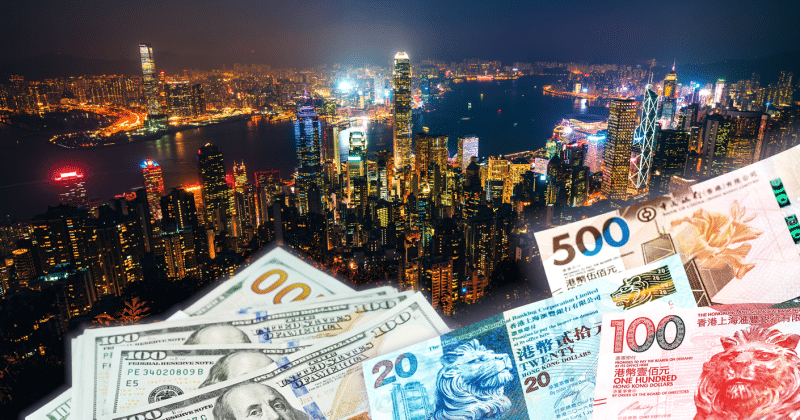
The Hong Kong dollar is nearing the weak end of its peg against the US dollar as market volatility decreases and borrowing costs plummet. This situation raises concerns about the stability of the currency and the potential implications for the financial landscape in Hong Kong.
Hong Kong Dollar Approaches Weak End of Peg
The Hong Kong dollar is inching closer to the weak end of its peg against the US dollar, a development that has caught the attention of market analysts and financial experts alike. This situation arises amidst a backdrop of declining market volatility and significantly reduced borrowing costs, raising questions about the implications for the city's economy and its financial stability.
Current Market Conditions
As of the latest reports, the Hong Kong dollar has been trading at levels that suggest it is nearing the HKD 7.85 per USD threshold, the weak end of its established trading band. This peg, which has been in place since 1983, is designed to maintain stability in the currency and by extension, the economy. However, recent trends indicate that the currency is facing pressure, primarily due to external economic factors and internal fiscal policies.
Volatility and Borrowing Costs
Market volatility has seen a significant decline in recent months, with many investors adopting a wait-and-see approach. This cautious sentiment has contributed to lower borrowing costs in Hong Kong, making it cheaper for businesses and consumers to access credit. However, the drop in volatility has also led to concerns regarding the sustainability of the Hong Kong dollar's peg, especially as the global economic landscape remains uncertain.
Implications for the Financial Sector
The potential weakening of the Hong Kong dollar raises critical questions for the financial sector. Analysts warn that if the currency slips below the peg, it could trigger a series of economic repercussions, including inflationary pressures and a loss of investor confidence. Furthermore, a weaker currency could impact the territory's status as a global financial hub, which has been built on the foundation of a stable currency and a robust banking system.
Government and Central Bank Response
The Hong Kong Monetary Authority (HKMA) has been closely monitoring the situation, ready to intervene if necessary to defend the peg. Historical precedents show that the HKMA has not hesitated to deploy its substantial foreign reserves to stabilize the currency when needed. However, the effectiveness of such measures in the face of sustained external pressures remains to be seen.
Investor Sentiment and Future Outlook
Investor sentiment is currently mixed, with some viewing the situation as an opportunity to capitalize on potential fluctuations in the currency. Others, however, remain cautious, concerned about the long-term implications of a weakening peg. As the global economy continues to evolve, the Hong Kong dollar's stability will be tested, and stakeholders across the financial spectrum are urged to remain vigilant.
Conclusion
In conclusion, the Hong Kong dollar's approach to the weak end of its peg against the US dollar highlights the delicate balance the territory must maintain in its financial policies. As market volatility decreases and borrowing costs fall, the implications for the currency and the broader economy are significant. Stakeholders will need to carefully navigate these developments to ensure the continued stability and prosperity of Hong Kong's financial landscape.