Hong Kong Educators Call for Social Media Ban for Under-16s Amid Rising Concerns
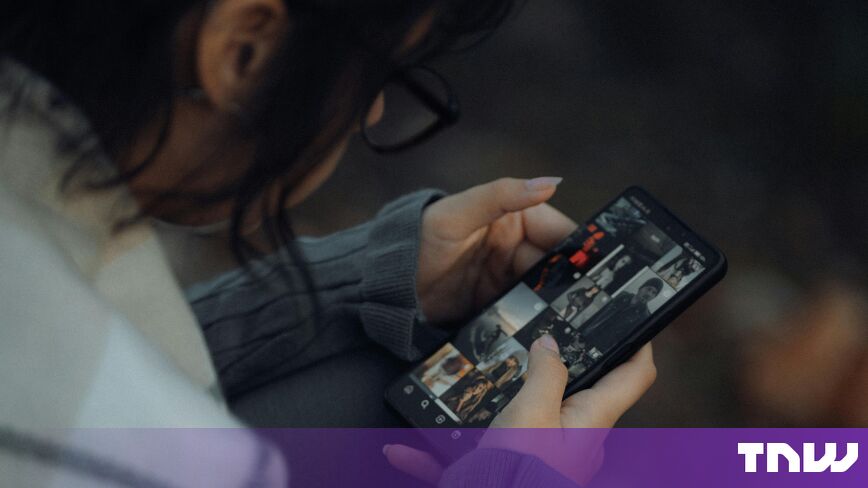
Educators in Hong Kong are advocating for a ban on social media usage for individuals under the age of 16, citing mental health concerns and online safety. However, the government has stated that it has no plans to legislate such a ban.
Growing Concerns Over Youth Mental Health
In recent months, educators in Hong Kong have been increasingly vocal about their concerns regarding the impact of social media on young people. They argue that the pervasive use of platforms like Instagram, TikTok, and Facebook is contributing to rising mental health issues among adolescents. Reports of anxiety, depression, and cyberbullying have surged, prompting calls for stricter regulations on social media usage for those under the age of 16.
Proposed Ban on Social Media for Minors
In light of these concerns, a coalition of teachers and educational professionals has proposed a complete ban on social media for individuals under 16. They believe that limiting access to these platforms could help mitigate the negative effects on mental health and provide a safer online environment for children. This proposal has gained traction among parents and mental health advocates who share similar worries about the online landscape.
Government Response: No Plans for Legislation
Despite the growing support for a social media ban among educators and parents, the Hong Kong government has firmly stated that it has no plans to legislate such measures. A government spokesperson emphasized the importance of digital literacy and parental guidance in navigating social media rather than imposing blanket restrictions. This response has left many educators frustrated, as they feel that the government is not adequately addressing the serious issues at hand.
International Context and Comparisons
The debate surrounding social media usage among minors is not unique to Hong Kong. Countries around the world are grappling with similar concerns, with some nations implementing stricter age verification processes and regulations on social media platforms. For instance, in the United States, various states have introduced bills aimed at protecting minors from online harm, while the European Union has proposed regulations that would require social media companies to enhance protections for young users.
Voices from the Education Sector
Teachers in Hong Kong have expressed their concerns about the lack of government action. Many believe that a ban could serve as a preventive measure, allowing young people to engage in healthier activities and reducing their exposure to harmful online content. “We are seeing firsthand the consequences of unrestricted social media access,” said a high school teacher who wished to remain anonymous. “It’s time for us to take a stand for our students’ well-being.”
Parental Perspectives
Parents are also weighing in on the issue, with many expressing support for the proposed ban. A recent survey indicated that a significant number of parents are worried about their children's mental health and the potential dangers of social media. “I would feel much more at ease knowing that my child isn’t exposed to the pressures of social media at such a young age,” said a mother of two teenagers. “It’s about protecting them and giving them a chance to grow up without the constant comparison and negativity that comes with these platforms.”
Moving Forward: The Need for Dialogue
As the conversation around social media and youth continues, it is clear that a collaborative approach is necessary. Educators, parents, and government officials must engage in open dialogue to explore potential solutions that prioritize the mental health and safety of young people. While the government’s current stance may not align with educators’ calls for a ban, there remains an opportunity for constructive discussions on how to best support the youth of Hong Kong in navigating the complexities of the digital age.
Conclusion
The debate over social media usage among minors in Hong Kong is emblematic of a broader global challenge. As educators and parents advocate for change, the response from the government will be crucial in shaping the future of digital engagement for young people in the region. Without proactive measures, the risks associated with social media may continue to overshadow its benefits, leaving many to question the safety and well-being of the next generation.