Hong Kong Faces Record Trade Deficit Amid AI-Driven Economic Shifts
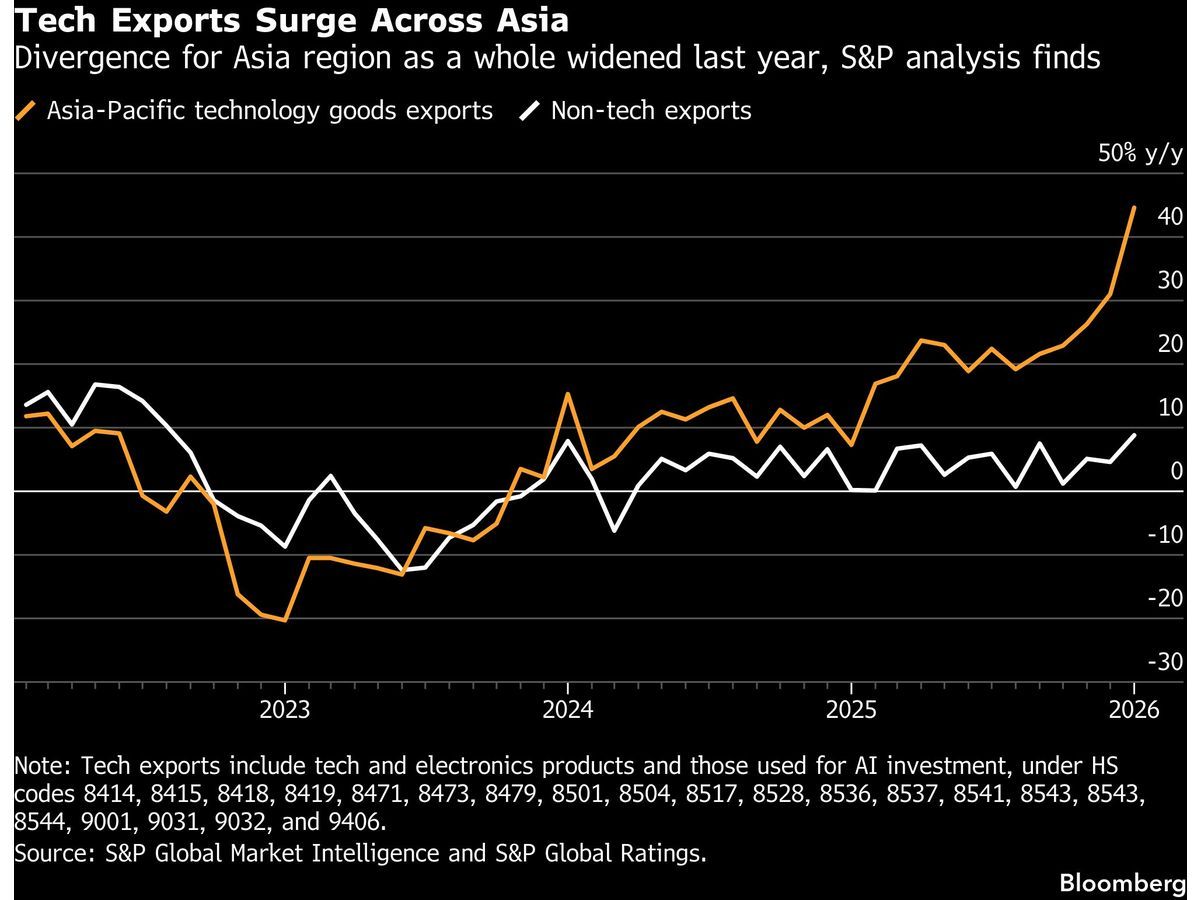
Hong Kong has reported its widest trade deficit since 1952, a reflection of the changing economic landscape influenced by the AI boom. Experts suggest that this deficit highlights the challenges and opportunities facing the region's economy as it adapts to technological advancements.
Introduction
In a striking economic development, Hong Kong has recorded its largest trade deficit since 1952, a situation that has raised eyebrows among economists and policymakers alike. The deficit, which has been attributed to a combination of factors, including the rapid growth of artificial intelligence (AI) technologies, underscores the shifting dynamics of the region's economy.
The Numbers Behind the Deficit
According to recent data, Hong Kong's trade deficit reached unprecedented levels, as imports surged while exports struggled to keep pace. The financial hub, known for its robust trade activities, has found itself in a precarious position, with imports outstripping exports by a significant margin. This trend has sparked concerns over the sustainability of the city’s economic model, particularly in light of the ongoing global AI boom.
Impact of AI on Trade Dynamics
The AI revolution has transformed industries worldwide, and Hong Kong is no exception. As businesses increasingly adopt AI technologies to enhance productivity and efficiency, the demand for high-tech imports has soared. This shift has led to a disproportionate increase in imports of AI-related products and services, contributing to the widening trade deficit.
Furthermore, while the AI sector is burgeoning, traditional export sectors in Hong Kong, such as manufacturing and textiles, have been struggling to compete in the global market. The decline in these sectors has exacerbated the trade deficit, prompting calls for a reevaluation of the city's economic strategies.
Economic Experts Weigh In
Economists are divided on the implications of the trade deficit. Some argue that it reflects a necessary transition towards a more technology-driven economy, while others caution that a persistent deficit could undermine Hong Kong's financial stability. Dr. Emily Chan, an economist at the University of Hong Kong, stated, "While the AI boom presents opportunities for growth, we must also be mindful of the risks associated with an over-reliance on imports and the potential erosion of our traditional industries."
Government Response
In response to the alarming trade figures, the Hong Kong government has initiated discussions on strategies to bolster local industries and enhance export capabilities. The Secretary for Commerce and Economic Development has emphasized the need for a balanced approach that fosters innovation while supporting traditional sectors. "We are committed to ensuring that Hong Kong remains competitive in the global market, and that includes investing in our local industries and workforce," the Secretary remarked.
Looking Ahead
As Hong Kong navigates this challenging economic landscape, the focus will likely remain on how to harness the potential of AI while mitigating the risks associated with a widening trade deficit. The government’s ability to adapt to these changes will be crucial in determining the region's economic future.
In conclusion, Hong Kong's record trade deficit serves as a wake-up call for stakeholders across the board. As the city grapples with the implications of the AI boom, it must also confront the realities of a changing global economy. The path forward will require a concerted effort to innovate, diversify, and strengthen the foundations of its economy.