Hong Kong Film Producer Raymond Wong Convicted of Insider Trading
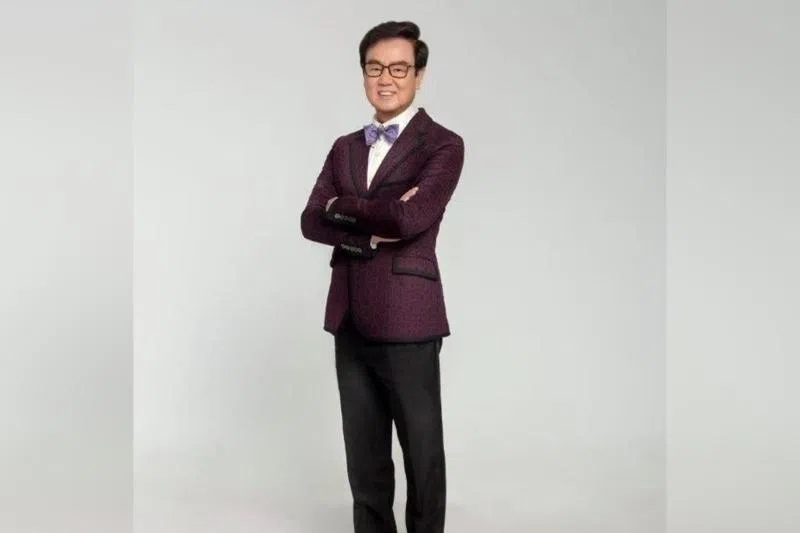
Raymond Wong, a prominent figure in the Hong Kong film industry, has been convicted of insider trading, leading to significant financial gains for his family. The case highlights ongoing concerns regarding market integrity in Hong Kong's financial landscape.
Raymond Wong's Conviction: A Turning Point for Hong Kong's Financial Regulations
In a landmark ruling that has sent shockwaves through both the entertainment and business sectors, renowned Hong Kong film producer Raymond Wong has been convicted of insider trading. The conviction, which has drawn significant media attention, comes as a stark reminder of the challenges facing Hong Kong's financial regulatory environment.
The Details of the Case
Wong, known for his contributions to the Hong Kong film industry, was found guilty of trading shares based on non-public information, which he obtained through his connections in the business world. The insider trading scheme reportedly allowed Wong and his family to profit approximately HK$1 million, raising questions about the ethical standards of those in positions of influence.
The court's decision, delivered on [insert date], has sparked discussions about the adequacy of existing regulations governing insider trading in Hong Kong. Legal experts have noted that while the conviction is a step in the right direction, it also highlights the need for stricter enforcement mechanisms to ensure that similar cases do not arise in the future.
Impact on the Film Industry
Wong's conviction is particularly significant given his stature in the film industry. As a producer, he has been involved in numerous successful projects that have shaped Hong Kong cinema. His fall from grace not only tarnishes his personal reputation but also raises concerns about the integrity of the film industry as a whole.
Industry insiders have expressed their dismay at the situation, emphasizing that such actions could undermine public trust in the film sector, which has long been a source of pride for Hong Kong. The ripple effects of this conviction may lead to increased scrutiny of financial practices within the industry, prompting calls for greater transparency and accountability.
Regulatory Responses
The Securities and Futures Commission (SFC) of Hong Kong has been under pressure to enhance its regulatory framework in light of this case. The SFC has stated that it is committed to maintaining a fair and transparent market, and Wong's conviction may serve as a catalyst for reform.
In response to the growing concerns about insider trading, the SFC is expected to review its policies and potentially introduce new measures aimed at deterring such unethical practices. Legal analysts believe that the case could lead to stricter penalties for those found guilty of insider trading, thereby reinforcing the message that such behavior will not be tolerated.
Public Reaction
The public's response to Wong's conviction has been mixed. While many have expressed support for the court's decision, viewing it as a necessary step toward ensuring justice, others have raised concerns about the broader implications for Hong Kong's business environment. Some fear that increased regulatory scrutiny could stifle innovation and entrepreneurship in a city that prides itself on its free-market principles.
Social media platforms have been abuzz with discussions about the case, with many users calling for greater accountability among business leaders. The incident has sparked a wider conversation about the ethical responsibilities of those in positions of power, particularly in industries that significantly impact the economy.
Conclusion
Raymond Wong's conviction for insider trading serves as a critical reminder of the importance of ethical conduct in business. As Hong Kong navigates the complexities of its financial landscape, this case may pave the way for necessary reforms that prioritize integrity and transparency. The implications of this ruling will likely resonate beyond the film industry, influencing how business is conducted in Hong Kong for years to come.