Hong Kong Firm Initiates Arbitration Against Maersk Over Alleged Port Takeover Scheme
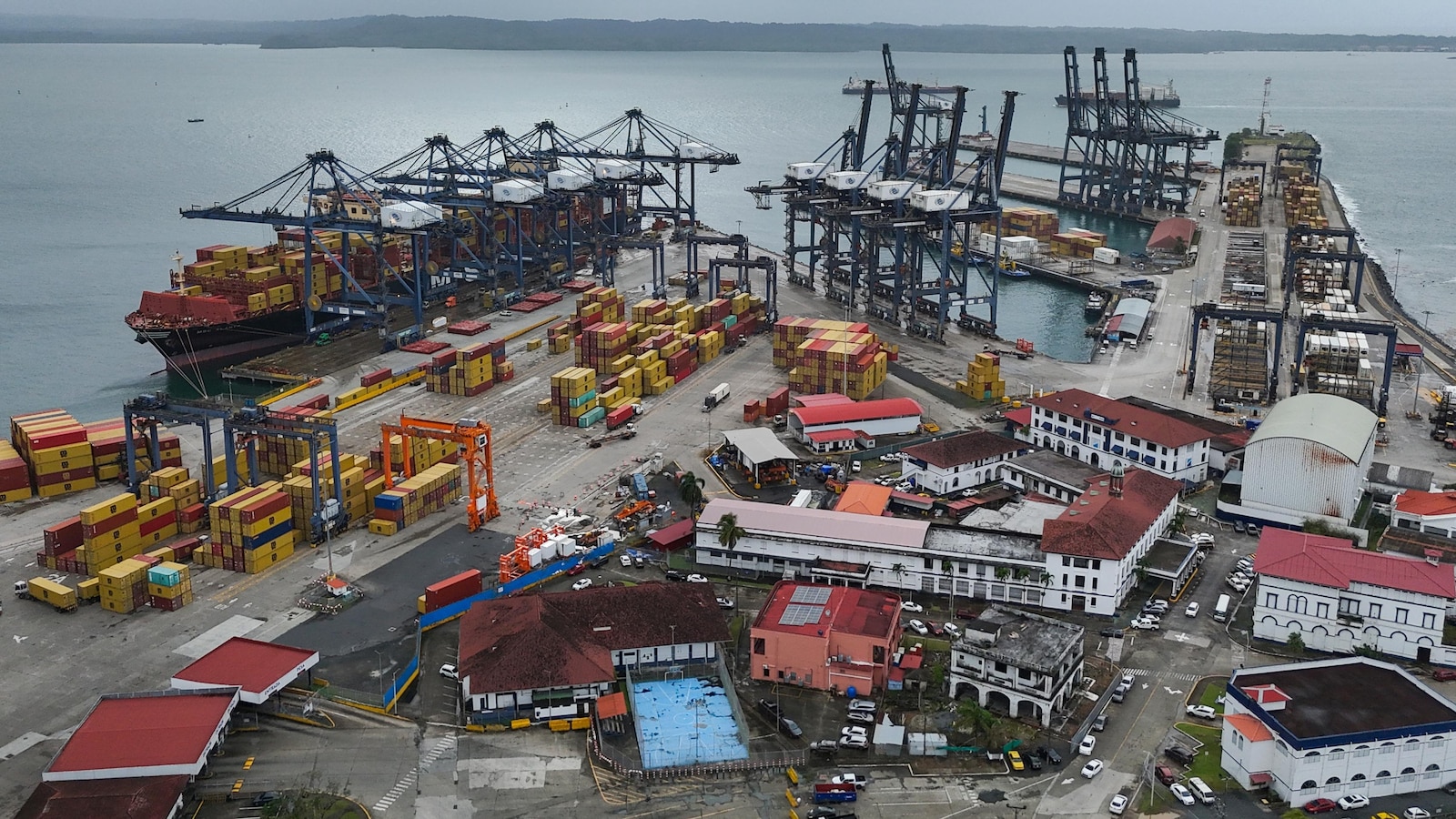
A Hong Kong-based company has filed for arbitration against Maersk, alleging that the shipping giant colluded with Panama to undermine its operations in a strategic port takeover. This dispute highlights the complexities of international shipping and port management in the region.
Hong Kong Firm Initiates Arbitration Against Maersk Over Alleged Port Takeover Scheme
A Hong Kong-based firm has taken significant legal action by filing for arbitration against the global shipping giant Maersk, claiming that the company engaged in a scheme with Panama to orchestrate a takeover of a key port. This development raises serious questions about corporate governance, international shipping practices, and the implications for regional trade.
Background of the Dispute
The arbitration, which has been filed under international law, centers around allegations that Maersk collaborated with Panamanian authorities to manipulate port operations in a manner that would disadvantage the Hong Kong firm. The plaintiff asserts that this collusion not only undermined its business interests but also disrupted the competitive landscape of port management in the region.
Details of the Allegations
According to sources familiar with the case, the Hong Kong firm claims that Maersk utilized its vast resources and influence to gain preferential treatment from the Panamanian government, effectively sidelining local competitors. The firm argues that this arrangement has resulted in significant financial losses and operational challenges, prompting them to seek redress through arbitration.
Implications for International Shipping
This case is particularly noteworthy as it underscores the intricate dynamics of international shipping and port management. The shipping industry has been under increasing scrutiny in recent years due to various factors, including environmental concerns, regulatory compliance, and the impact of global trade tensions. The allegations against Maersk could set a precedent for how shipping companies engage with foreign governments and manage their operations in international waters.
Reactions from Industry Experts
Industry analysts have expressed concern over the potential ramifications of this arbitration. Some experts believe that if the Hong Kong firm is successful, it could lead to a reevaluation of how multinational corporations operate in foreign markets. Others warn that such disputes could deter investment in the shipping sector, particularly in regions where regulatory frameworks are perceived as being manipulated.
Maersk's Response
As of now, Maersk has not publicly commented on the arbitration filing. However, the company has a history of navigating complex legal challenges and has previously emphasized its commitment to ethical business practices. Observers are keenly awaiting the company's response, as it will likely shape the narrative surrounding this dispute.
Next Steps in the Arbitration Process
The arbitration process is expected to unfold over the coming months, with both parties presenting their cases before an international arbitration panel. Legal experts suggest that the outcome will hinge on the evidence presented and the interpretations of international trade laws. The case could also draw attention from regulatory bodies and trade organizations, further complicating the landscape.
Conclusion
This arbitration marks a significant moment for the Hong Kong firm and the broader shipping industry. As the case progresses, it will not only impact the parties involved but could also have lasting effects on international shipping practices and the regulatory environment in which these companies operate. Stakeholders are closely monitoring the situation, as it could redefine competitive dynamics in the global shipping arena.