Hong Kong Firm Initiates Arbitration Against Maersk Over Alleged Collusion with Panama
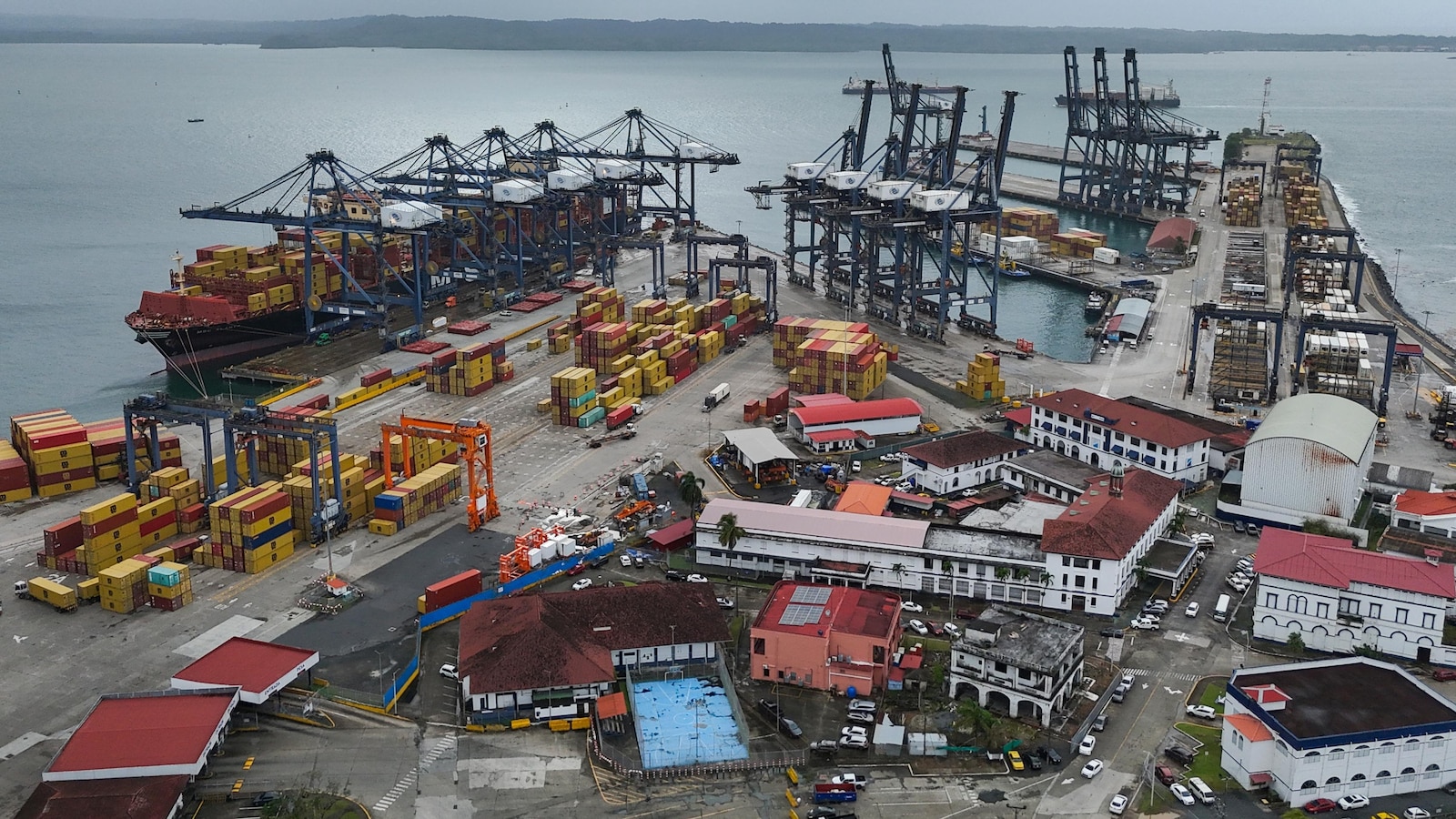
A Hong Kong-based company has filed for arbitration against shipping giant Maersk, claiming that the company conspired with Panama to undermine its interests in a port takeover. This legal action highlights the complexities of international shipping and port management in the region.
Introduction
In a significant legal development, a Hong Kong firm has filed for arbitration against the global shipping leader Maersk, alleging that the company engaged in collusion with Panama to facilitate a takeover of a crucial port. This case not only underscores the competitive nature of the shipping industry but also raises questions about the regulatory frameworks governing international trade.
The Allegations
The Hong Kong firm, which has not been publicly named, claims that Maersk conspired with Panamanian authorities to manipulate the terms of a port takeover that would have adversely affected its business operations. According to sources familiar with the matter, the firm argues that the actions taken by Maersk and its Panamanian counterparts were not only unethical but also violated international trade regulations.
Context of the Dispute
The shipping industry has been under intense scrutiny in recent years, particularly in light of the global supply chain disruptions caused by the COVID-19 pandemic. Ports have become critical nodes in international trade, and control over these facilities can significantly impact the economic landscape of a region. The Hong Kong firm’s allegations suggest a deeper issue regarding the transparency and fairness of port management practices.
Maersk's Response
As of now, Maersk has not issued a detailed public statement regarding the arbitration filing. However, industry experts speculate that the company will likely defend its practices vigorously, citing its long-standing reputation in the shipping industry and adherence to international laws. Maersk has been a dominant player in global shipping, and any allegations of misconduct could have far-reaching implications for its operations.
Implications for the Shipping Industry
This arbitration case could set a precedent for how disputes are handled in the shipping sector, particularly in relation to port management and international collaborations. If the Hong Kong firm’s claims are substantiated, it could lead to increased scrutiny of partnerships between shipping companies and government entities, especially in regions where regulatory oversight is perceived to be lax.
International Reactions
The international shipping community is closely monitoring the situation, as the outcome of this arbitration could influence future business dealings and regulatory policies. Experts believe that a ruling in favor of the Hong Kong firm could embolden other companies to challenge perceived injustices in the industry, potentially leading to a wave of similar legal actions.
Conclusion
The arbitration filed by the Hong Kong firm against Maersk is a pivotal moment that highlights the intersection of business ethics, international trade, and regulatory practices. As the case unfolds, it will be crucial to observe how it impacts the relationships between shipping companies and port authorities worldwide. The resolution of this dispute may not only affect the parties involved but could also reshape the landscape of international shipping and trade regulations in the years to come.