Hong Kong Firm Initiates Arbitration Over Panama Canal Port Contract Dispute
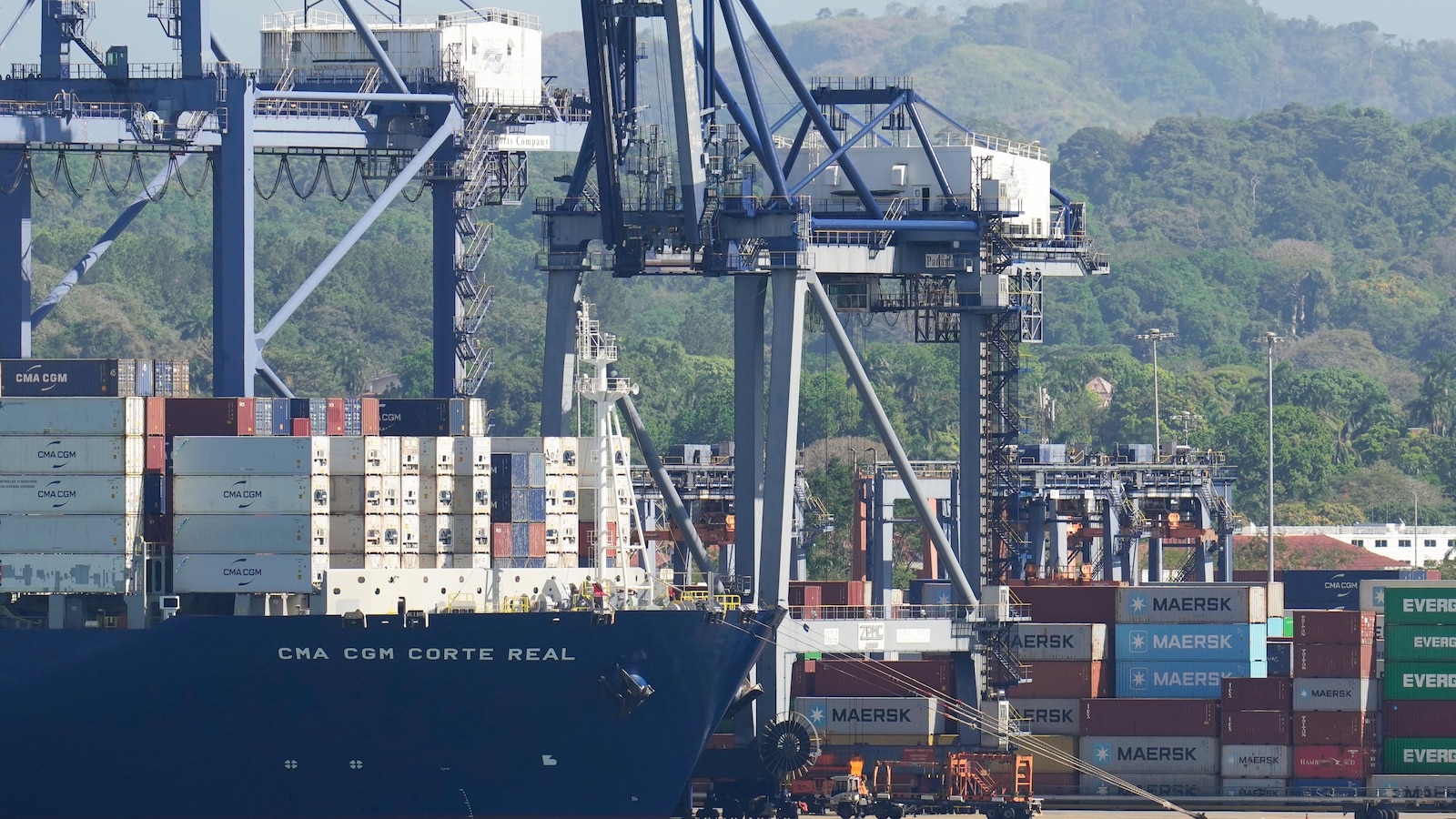
A prominent Hong Kong-based company has commenced arbitration proceedings following a controversial ruling regarding its contract with the Panama Canal Authority. This legal battle highlights the complexities of international trade agreements and the implications for businesses operating in global markets.
Introduction
A significant legal battle is unfolding as a Hong Kong firm has initiated arbitration proceedings against the Panama Canal Authority. This development follows a recent ruling that has raised concerns regarding the validity of the company’s contract to operate a port within the Panama Canal, a critical hub for international maritime trade.
Background of the Dispute
The Hong Kong-based company, which has not been publicly named, secured a contract in 2016 to develop and manage a port facility that serves as a vital link in the global supply chain. However, the Panama Canal Authority ruled that the contract was invalid, citing alleged discrepancies in the bidding process and compliance with local regulations. This decision has sparked outrage among stakeholders who argue that the ruling undermines the integrity of international contracts and could deter future foreign investments in Panama.
Arbitration Proceedings
In response to the ruling, the Hong Kong firm has filed for arbitration under the terms of the contract, which stipulates that any disputes must be resolved through international arbitration. Legal experts suggest that this move is a strategic effort to protect the company's interests and seek compensation for potential losses incurred due to the abrupt termination of the contract.
Implications for International Trade
The arbitration proceedings are expected to draw significant attention from the international business community, particularly as they unfold against the backdrop of increasing tensions in global trade relations. Experts warn that the outcome of this case could set a precedent for how international contracts are interpreted and enforced, particularly in regions where foreign investments are crucial for economic growth.
Reactions from Stakeholders
Reactions to the Panama Canal Authority's ruling have been mixed. Supporters of the decision argue that it is necessary to uphold local laws and ensure fair competition among businesses. On the other hand, critics contend that the ruling reflects poorly on Panama’s commitment to maintaining a stable and attractive environment for foreign investors.
Representatives from the Hong Kong firm have expressed their disappointment with the ruling, emphasizing their commitment to adhering to all local regulations and their intention to resolve the matter amicably through arbitration. They have also highlighted the importance of the port project for local employment and economic development.
Future Prospects
As the arbitration process begins, both parties will prepare to present their cases before an international arbitration panel. The timeline for the proceedings remains uncertain, but legal analysts predict that it could take several months, if not longer, before a resolution is reached.
In the meantime, the Hong Kong firm is likely to continue its operations in other regions while monitoring the situation closely. The outcome of this arbitration could have far-reaching implications, not only for the involved parties but also for the broader landscape of international trade and investment.
Conclusion
The ongoing dispute between the Hong Kong firm and the Panama Canal Authority serves as a reminder of the complexities inherent in international business dealings. As the arbitration unfolds, stakeholders around the world will be watching closely, eager to see how this case will influence future investments and trade agreements in the region.