Hong Kong Firm Seeks $2 Billion Over Panama's Takeover of Key Canal Ports
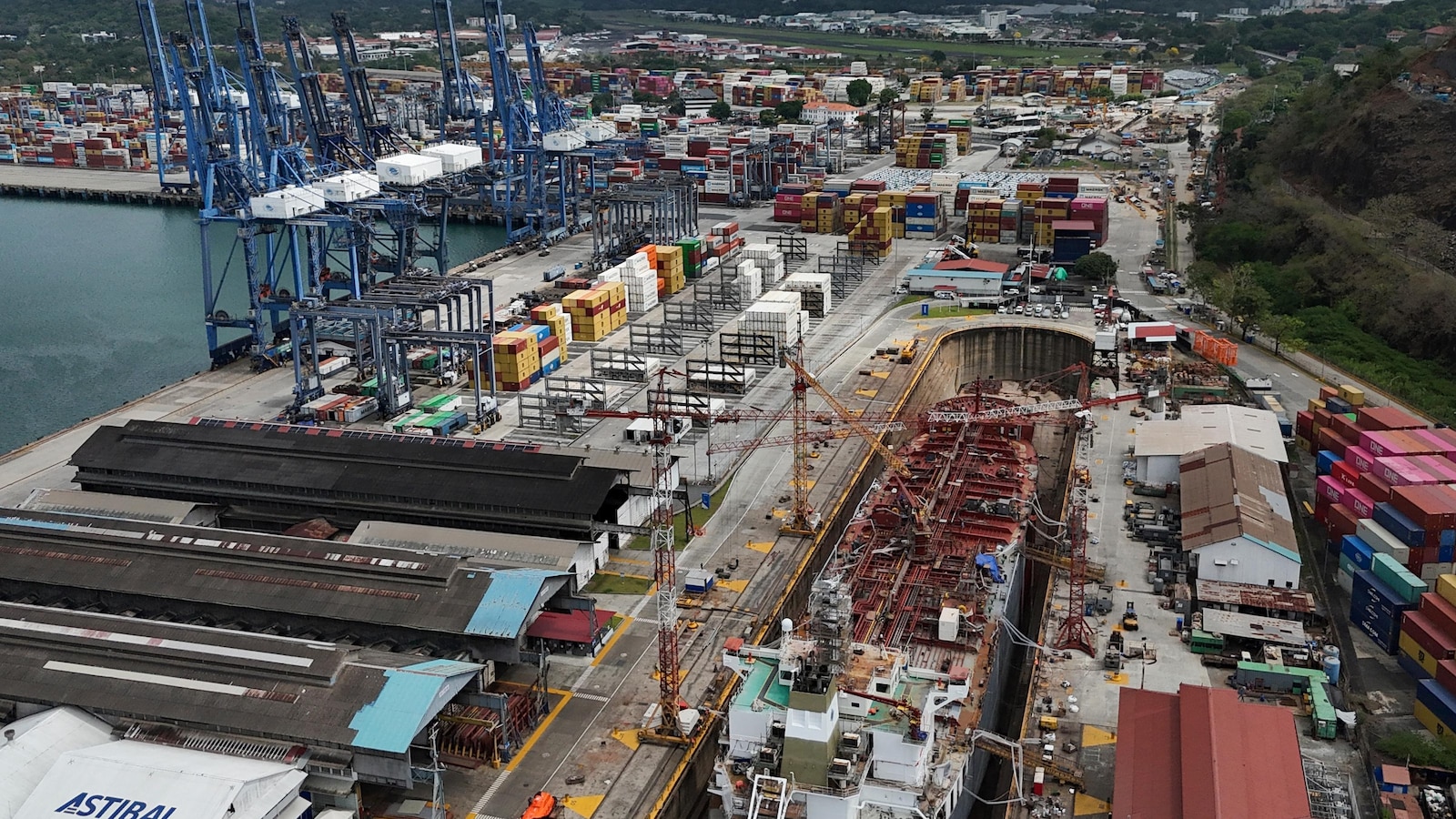
A Hong Kong-based company is pursuing a $2 billion compensation claim against the Panamanian government following the controversial takeover of two strategic ports. This legal battle highlights the growing tensions between foreign investments and national interests in the region.
Introduction
A Hong Kong-based investment firm has announced its intention to seek $2 billion in compensation from the Panamanian government following the controversial takeover of two key ports at the Panama Canal. This legal action underscores the complexities of international investment and the potential repercussions of nationalization in a globalized economy.
Background of the Dispute
The ports in question, which play a crucial role in the logistics and shipping industry, were previously managed by the Hong Kong firm. The takeover, which occurred amid rising nationalist sentiments in Panama, has sparked outrage among foreign investors who fear that such actions could set a precedent for further governmental seizures of private assets.
Details of the Claim
The firm, which has not been publicly named, argues that the takeover was executed without adequate compensation and violates international investment agreements. In a statement released to the press, the company emphasized that it had invested significantly in the ports and had developed them into vital components of the Panama Canal's operational capacity.
Implications for Foreign Investment
This situation raises critical questions about the safety of foreign investments in Panama and other countries that may consider similar nationalization policies. Analysts warn that such actions could deter future foreign investments, leading to economic instability and a potential decline in growth opportunities for emerging markets.
Reactions from Stakeholders
Reactions to the takeover and the subsequent legal claim have been mixed. Proponents of the nationalization argue that it is a necessary step to ensure that national resources are controlled by the state and benefit the local economy. Critics, however, contend that this move could lead to a chilling effect on foreign investments, which are essential for economic development.
International Response
International business organizations have expressed concern over the implications of Panama's actions. The International Chamber of Commerce (ICC) has called for a review of the situation, emphasizing the importance of maintaining a stable and predictable investment climate. They argue that the rule of law must be upheld to protect investors and ensure that countries remain attractive destinations for foreign capital.
Potential Legal Outcomes
The legal proceedings are expected to be lengthy and complex, with both sides preparing for a protracted battle. Legal experts suggest that the outcome could hinge on various factors, including the interpretation of international investment treaties and the specifics of Panamanian law regarding expropriation.
Conclusion
The case of the Hong Kong firm against the Panamanian government is emblematic of the broader tensions between national sovereignty and international investment rights. As countries navigate the challenges of globalization, the outcomes of such disputes will likely shape future policies and investor confidence in emerging markets.