Hong Kong Insurers Face Decline Amid New Taxation on Offshore Policy Income
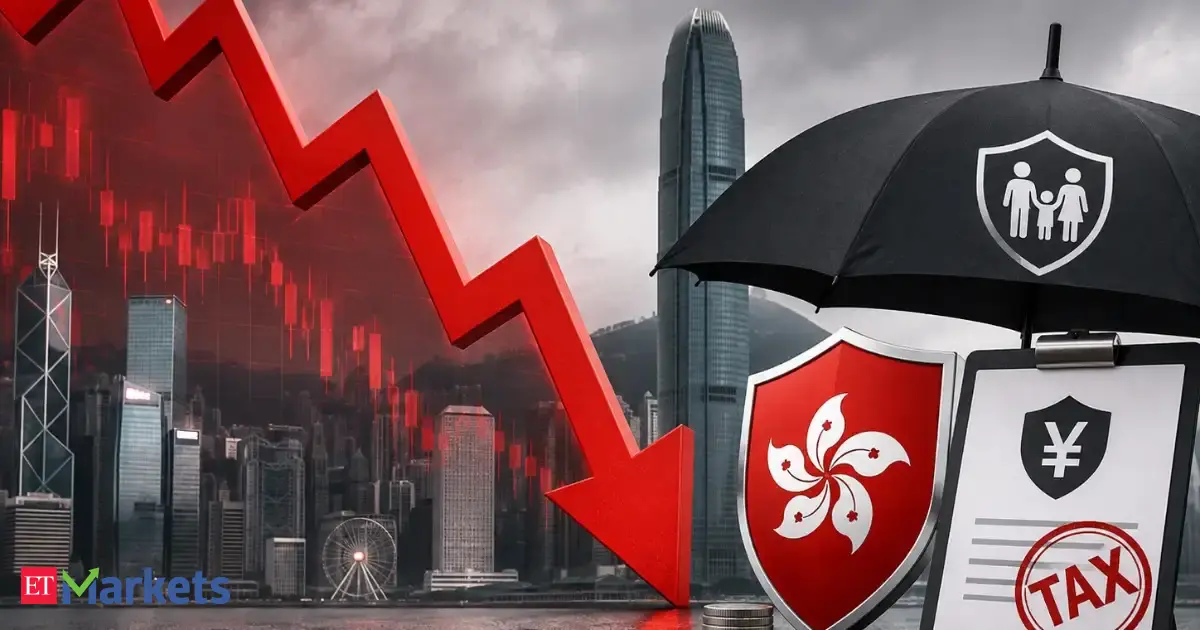
Hong Kong's insurance sector is experiencing a significant downturn following reports of China imposing taxes on offshore policy income. This development raises concerns about the future of the industry and its implications for policyholders.
Introduction
The Hong Kong insurance market is facing a challenging period as reports emerge indicating that the Chinese government plans to tax income generated from offshore insurance policies. This news has sent shockwaves through the sector, leading to a notable decline in the stock prices of several major insurers operating in the region.
Impact on Hong Kong Insurers
According to a report from The Times of India, the anticipated taxation on offshore policy income has resulted in a significant slump for Hong Kong-based insurance companies. Major players in the market, including AIA Group and Prudential, have seen their stock prices drop sharply, reflecting investor concerns regarding the long-term viability of their business models.
The new taxation policy, if implemented, could deter potential customers from purchasing offshore insurance products, which have traditionally been popular among affluent individuals seeking to safeguard their wealth from domestic economic fluctuations. Analysts predict that this move could lead to a decline in premium income for insurers, further exacerbating the challenges faced by the sector.
Reasons Behind the Taxation
The Chinese government has been increasingly focused on regulating its financial markets and curbing capital outflows. By taxing offshore insurance policies, authorities aim to retain more capital within the country and ensure that wealth remains in the domestic economy. This policy shift is part of a broader strategy to tighten financial regulations and promote local investment opportunities.
Industry experts believe that the new tax regime could also be a response to the growing popularity of offshore insurance products among Chinese citizens, which has raised concerns about potential tax evasion and capital flight. As a result, the government is taking measures to address these issues while simultaneously seeking to bolster its domestic insurance market.
Reactions from Industry Stakeholders
The reaction from industry stakeholders has been mixed. Some insurance executives have expressed concerns about the potential impact on their businesses, highlighting that the offshore market has been a crucial revenue stream. Others, however, believe that the industry can adapt to the changing regulatory landscape by diversifying their product offerings and focusing on domestic insurance solutions.
“We are closely monitoring the situation and are committed to adjusting our strategies to meet the evolving needs of our clients,” said a spokesperson from AIA Group. “While the new tax regulations may pose challenges, we believe there are still opportunities for growth within the local market.”
Future Outlook
The future of Hong Kong's insurance sector remains uncertain as the industry grapples with the implications of the new taxation policy. Analysts are urging companies to innovate and enhance their product offerings to remain competitive in a tightening market. Additionally, there is a growing call for the government to provide clearer guidelines and support for the insurance sector to navigate these changes effectively.
As the situation develops, it will be crucial for both insurers and policyholders to stay informed about the potential impacts of the taxation on offshore policies. The outcome of this regulatory shift could reshape the landscape of the insurance industry in Hong Kong, influencing consumer behavior and investment strategies in the years to come.
Conclusion
In conclusion, the reported taxation on offshore insurance policy income poses significant challenges for Hong Kong insurers, prompting a reevaluation of business strategies and market approaches. As the industry adapts to this new reality, stakeholders must remain vigilant and proactive in addressing the evolving regulatory environment.