Hong Kong Insurers Face Downturn Following China’s Taxation Report on Offshore Policies
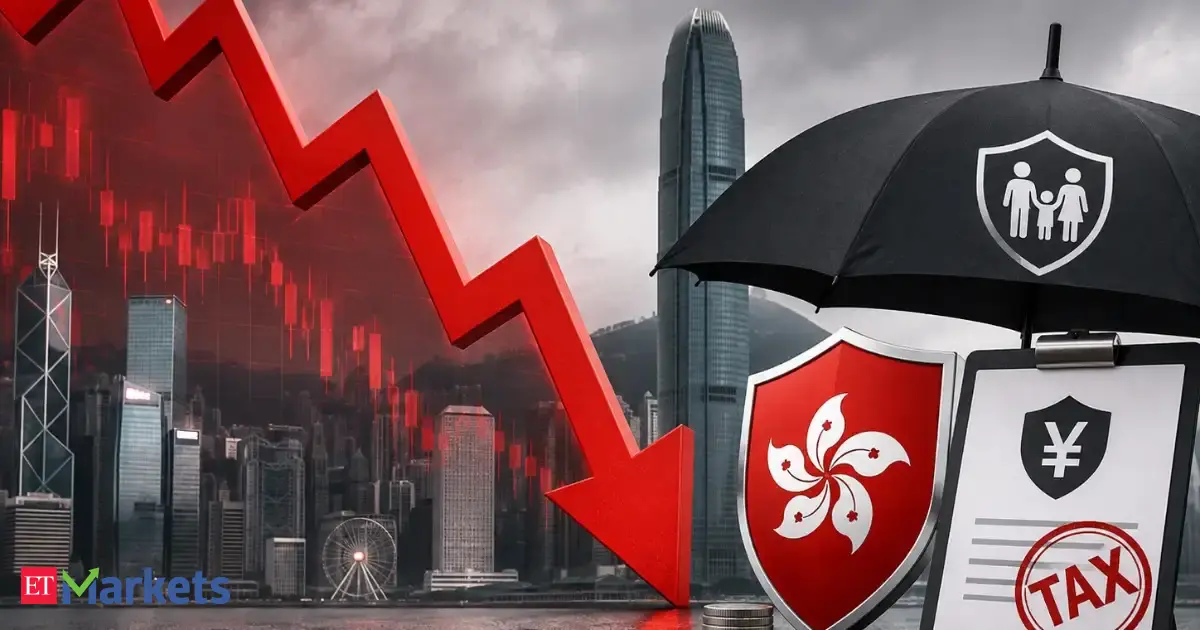
Hong Kong's insurance sector is experiencing a significant slump after reports emerged about China potentially taxing income from offshore insurance policies. This development raises concerns among insurers and investors regarding the future of the market.
Hong Kong Insurers Face Downturn Following China’s Taxation Report on Offshore Policies
The Hong Kong insurance industry is grappling with a notable downturn as reports circulate regarding China’s plans to tax income derived from offshore insurance policies. This news has sent shockwaves through the market, prompting concerns among investors and stakeholders about the long-term implications for the industry.
According to a report by The Times of India, the potential taxation could significantly affect the attractiveness of Hong Kong as a hub for offshore insurance products. Many policyholders in mainland China have historically turned to Hong Kong for insurance solutions, drawn by favorable regulatory conditions and the perceived security of offshore investments. However, the introduction of taxes on income from these policies could deter future investments and alter the landscape of the insurance market.
In recent years, Hong Kong has established itself as a leading center for insurance services, particularly for mainland Chinese clients seeking to diversify their financial portfolios. The city’s insurers have benefited from a steady influx of business, with many individuals purchasing policies to safeguard their assets against economic uncertainties. However, the recent news has led to a sharp decline in share prices for several major insurance companies operating in Hong Kong.
Analysts have noted that the market reaction reflects broader concerns about the regulatory environment in China and its potential impact on Hong Kong’s financial services sector. The proposed taxation is seen as part of a larger trend of increasing scrutiny by Chinese authorities on overseas investments and financial products. This has raised alarms among investors who fear that such measures could undermine the competitive edge that Hong Kong has enjoyed over the years.
Industry experts are now urging insurers to reassess their strategies in light of these developments. Many are exploring ways to adapt to the changing regulatory landscape, including diversifying their product offerings and enhancing their compliance measures. Some insurers are also considering expanding their operations into other markets to mitigate the risks associated with a potential downturn in business from mainland clients.
In response to the growing concerns, the Hong Kong Insurance Authority has emphasized its commitment to maintaining a stable and transparent regulatory framework. Officials have stated that they will closely monitor the situation and engage with stakeholders to address any uncertainties that may arise from the proposed taxation. However, the authority’s reassurances have done little to quell the fears of investors, many of whom are now questioning the sustainability of the current business model.
The impact of the proposed taxation is likely to extend beyond the insurance sector, affecting related industries such as finance and investment. As Hong Kong continues to navigate its relationship with mainland China, the potential for increased regulatory measures could reshape the economic landscape in ways that are yet to be fully understood.
In conclusion, the Hong Kong insurance industry is at a critical juncture, facing unprecedented challenges as it responds to the implications of China’s potential taxation on offshore policy income. As stakeholders brace for the fallout, the future of this vital sector remains uncertain, with many watching closely to see how insurers will adapt to the evolving regulatory environment.