Hong Kong IPOs Face Increased Regulatory Scrutiny Amid Market Volatility
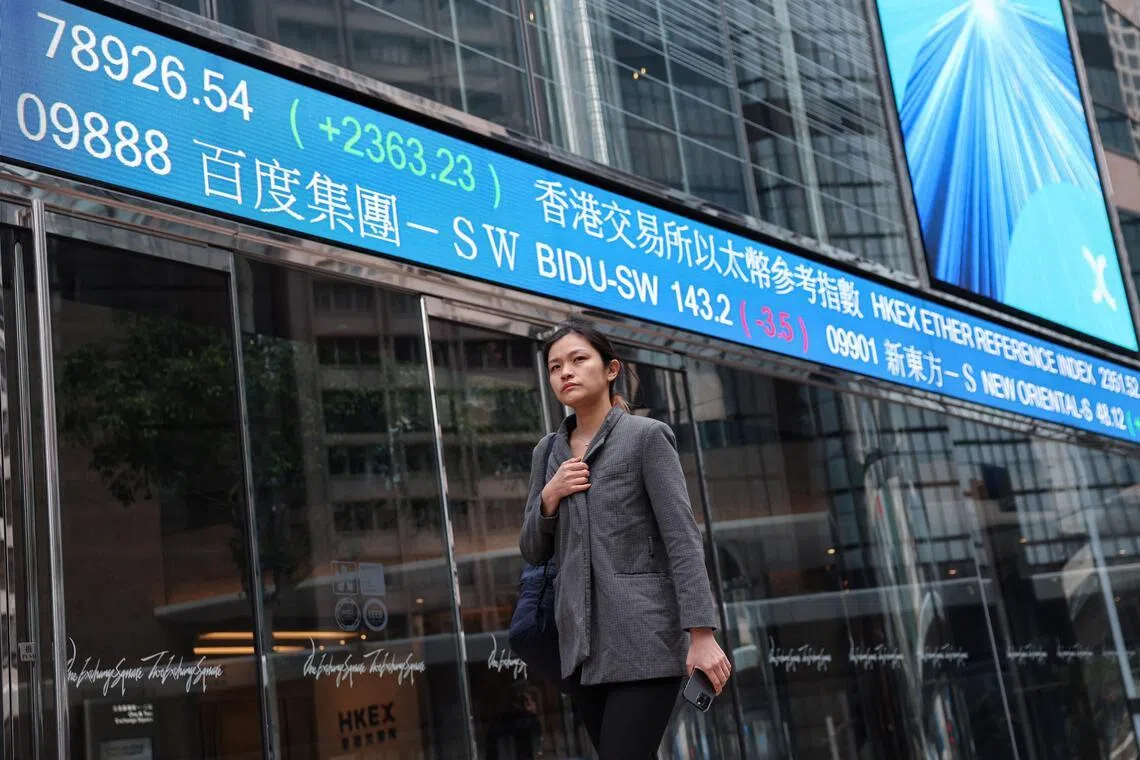
Hong Kong's initial public offerings (IPOs) are experiencing heightened regulatory scrutiny as the market grapples with volatility. This report delves into the implications for companies looking to list and the overall investment climate in the region.
Introduction
In recent months, Hong Kong's initial public offerings (IPOs) have come under increased regulatory scrutiny, raising concerns among companies looking to list in one of Asia's most prominent financial hubs. As the market grapples with volatility, the Hong Kong Stock Exchange (HKEX) has implemented stricter guidelines aimed at ensuring investor protection and market stability.
Regulatory Changes
The surge in IPO activity in Hong Kong over the past few years has drawn attention from regulators, who are now focusing on ensuring that companies meet stringent financial and operational standards before they can go public. The recent amendments to the listing rules are part of a broader effort by the Securities and Futures Commission (SFC) and the HKEX to bolster investor confidence amid fluctuating market conditions.
Among the key changes is a requirement for companies to provide more comprehensive disclosures regarding their financial health, governance structures, and risk factors. This move aims to prevent the kind of scandals that have plagued other markets, where companies have faced backlash for misleading information or lack of transparency.
Impact on Companies
For many companies eyeing the Hong Kong market, these regulatory changes have created a challenging landscape. Startups and smaller firms, which often lack the resources to meet the new requirements, may find it increasingly difficult to secure a listing. Industry experts warn that this could lead to a slowdown in the number of IPOs, particularly from the tech sector, which has been a significant driver of growth in recent years.
Moreover, larger companies that have traditionally relied on the Hong Kong market for fundraising may also reconsider their strategies. Some may opt for alternative venues, such as the United States or mainland China, where regulatory environments might be perceived as more favorable.
Market Volatility
The backdrop of increasing regulatory scrutiny is further complicated by ongoing market volatility, driven by global economic uncertainties, geopolitical tensions, and rising interest rates. Investors are becoming more cautious, leading to fluctuations in stock prices and a decline in overall market sentiment.
In this climate, the HKEX has emphasized its commitment to maintaining a fair and orderly market. The exchange has been proactive in engaging with stakeholders, including investment banks and potential issuers, to ensure that the new regulations are understood and implemented effectively.
Investor Sentiment
Investor sentiment in Hong Kong has been mixed, with some expressing concerns over the potential for reduced IPO activity. However, others believe that the long-term benefits of increased transparency and accountability will ultimately lead to a more robust market.
“While the new regulations may pose short-term challenges, they are essential for building a sustainable investment environment,” said a senior analyst at a leading investment firm. “Investors are increasingly looking for quality over quantity, and stricter rules can help filter out companies that do not meet the necessary standards.”
Conclusion
As Hong Kong navigates this complex landscape of regulatory changes and market volatility, the future of its IPO market remains uncertain. Companies looking to list will need to adapt to the new requirements, while investors will be watching closely to see how these developments unfold. The balance between regulatory oversight and market growth will be crucial in determining the trajectory of Hong Kong’s financial landscape in the coming years.