Hong Kong Launches Consultation for First Five-Year Plan Mirroring Mainland China's Strategy
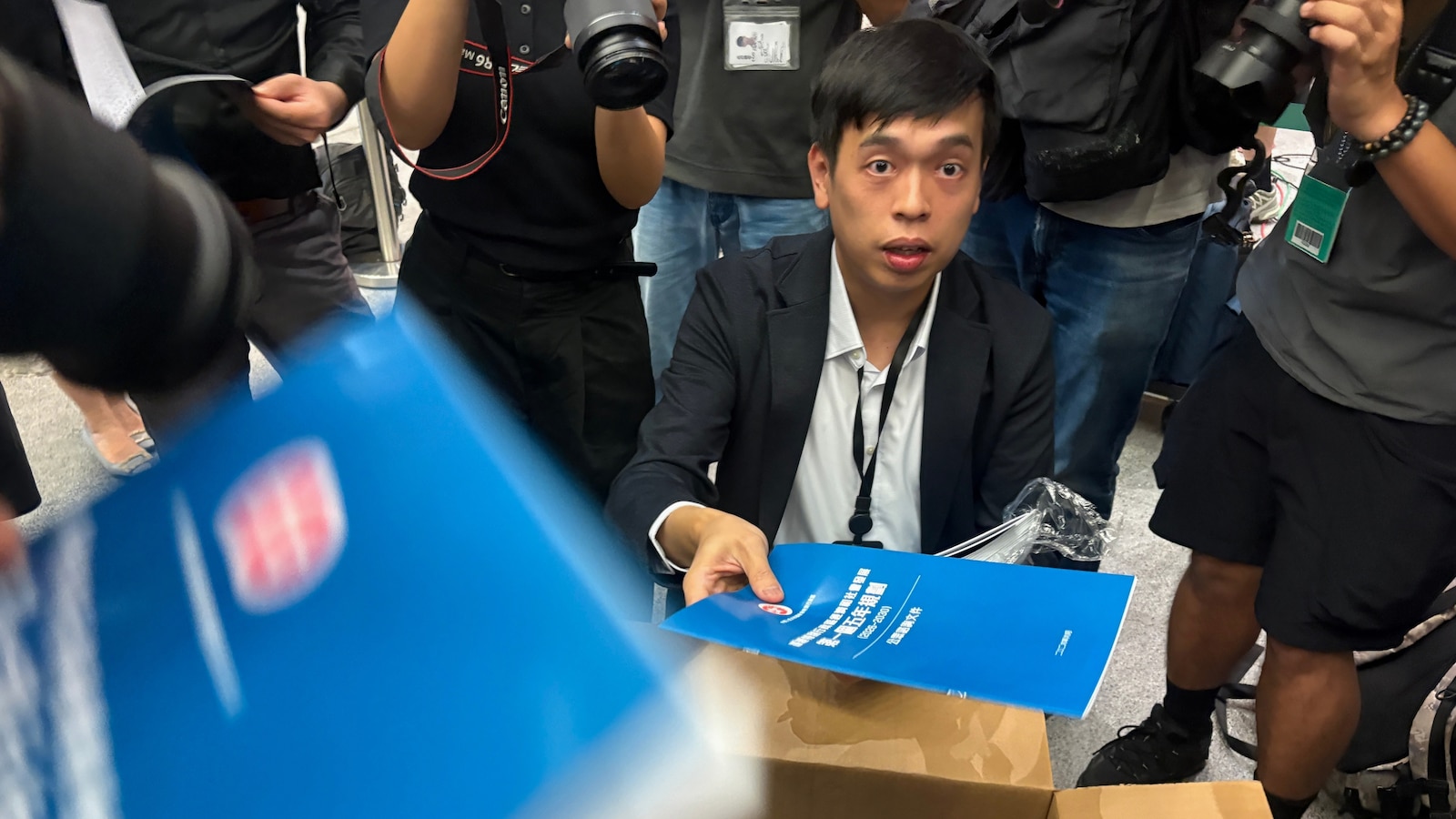
Hong Kong is initiating a public consultation for its inaugural five-year plan, which closely resembles the strategic framework employed by mainland China. This move has sparked discussions about the city's future development and its alignment with Beijing's policies.
Introduction
In a significant move, the Hong Kong government has opened a public consultation process for its first five-year plan, aiming to outline the city's development trajectory from 2024 to 2028. This initiative closely mirrors the strategic planning approach utilized by mainland China, raising questions about the implications for Hong Kong's autonomy and its socio-economic landscape.
Details of the Consultation
The consultation, which commenced on October 1, 2023, invites feedback from various stakeholders, including businesses, community organizations, and the general public. The government is seeking input on key areas such as economic development, social welfare, environmental sustainability, and innovation. The plan is expected to reflect the priorities set forth by Beijing, aligning with the broader national strategy.
Echoes of Mainland China's Strategy
The structure of Hong Kong's five-year plan is reminiscent of the comprehensive plans implemented by the Chinese central government. These plans serve as blueprints for economic and social development, emphasizing industrial growth, technological advancement, and infrastructure investment. Critics of the Hong Kong government argue that this alignment with mainland policies could undermine the city's unique identity and its previously enjoyed freedoms.
Government's Justification
Officials have defended the plan, stating that it is essential for Hong Kong to integrate more closely with the national development strategy. They argue that this approach will enhance the city's competitiveness, attract foreign investment, and create job opportunities. The government has emphasized the importance of collaboration between Hong Kong and mainland cities, particularly in the Greater Bay Area initiative, which aims to foster economic integration in southern China.
Public Response and Concerns
Public reaction to the consultation has been mixed. While some business leaders and pro-establishment figures have expressed support for the plan, viewing it as a pathway to economic recovery post-COVID-19, many residents are concerned about the potential erosion of Hong Kong's distinct political and civil liberties. Activist groups have called for caution, warning that closer ties with Beijing could lead to increased surveillance and restrictions on free expression.
Impact on Hong Kong's Future
The outcomes of this consultation and the subsequent five-year plan will likely have lasting implications for Hong Kong's socio-economic fabric. As the city navigates its relationship with mainland China, the balance between development and the preservation of its unique characteristics will be a critical focal point. Observers are keenly watching how the government will address the concerns raised during the consultation and whether it will genuinely consider public feedback.
Conclusion
As Hong Kong embarks on this ambitious planning initiative, the intersection of local aspirations and national directives poses both opportunities and challenges. The consultation process represents a crucial moment for the city, as it seeks to chart a course that aligns with the realities of a rapidly changing geopolitical landscape while striving to maintain its unique identity. The coming months will be pivotal in shaping the future of Hong Kong and its role within the greater Chinese context.