Hong Kong Leader Celebrates Jimmy Lai's Sentence Amid New Security Law Plans
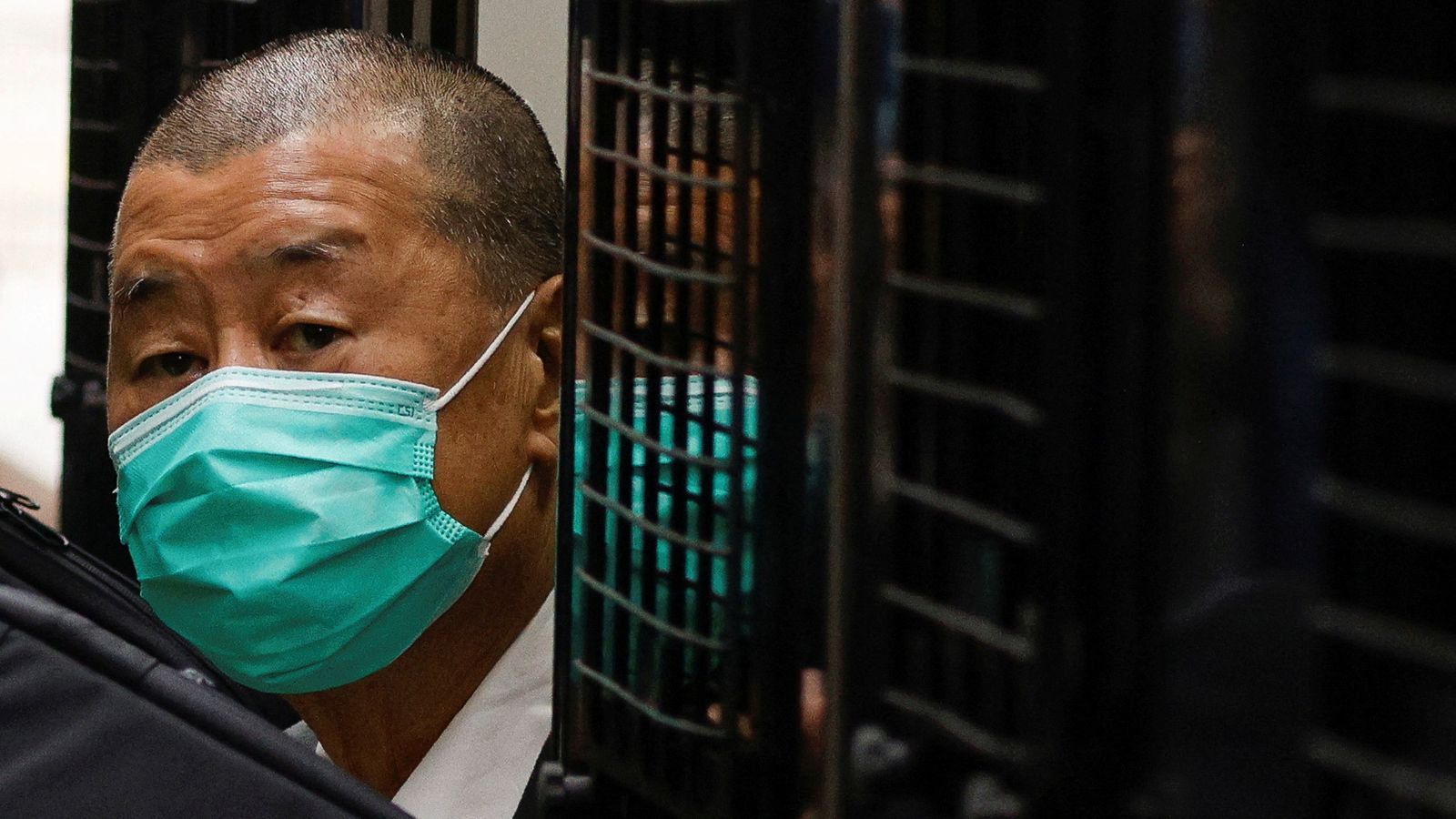
Hong Kong's Chief Executive has hailed the sentencing of media tycoon Jimmy Lai as a significant step in upholding national security. This comes alongside the government's announcement of plans to enhance the controversial security law that has drawn international criticism.
Introduction
In a move that has sparked widespread debate, Hong Kong's Chief Executive, John Lee, has publicly celebrated the recent sentencing of media mogul Jimmy Lai, a prominent critic of the Chinese government. Lai was sentenced to a total of 14 years in prison, a decision that has been met with both support and condemnation, reflecting the deep divisions within the city over issues of freedom and security.
Background on Jimmy Lai's Case
Jimmy Lai, the founder of the pro-democracy newspaper Apple Daily, has been a vocal opponent of Beijing's tightening grip on Hong Kong's freedoms. His sentencing is part of a broader crackdown on dissent that has intensified since the implementation of the National Security Law in 2020. Lai was convicted on multiple charges, including fraud and collusion with foreign forces, charges that many observers believe are politically motivated.
Government's Response
In a statement following the sentencing, Chief Executive John Lee expressed his satisfaction, stating that the ruling underscores the government's commitment to maintaining national security. Lee emphasized that such legal actions are necessary to safeguard the stability of Hong Kong and to deter any activities that could threaten the region's security. He remarked, "The law must be upheld, and those who violate it will face the consequences. This is a clear message that we will not tolerate actions that undermine our sovereignty."
Plans for Enhanced Security Laws
Coinciding with the announcement of Lai's sentence, the Hong Kong government has unveiled plans to strengthen the existing security law. The proposed enhancements are aimed at closing loopholes that critics argue have allowed for continued dissent and protest. Officials have indicated that the revisions will include stricter penalties for those found guilty of violating the law, as well as expanded definitions of what constitutes a security threat.
International Reactions
The sentencing of Jimmy Lai and the government's plans to bolster the security law have drawn sharp criticism from international human rights organizations and foreign governments. Many view these developments as further evidence of Hong Kong's declining freedoms and the erosion of its autonomy under Chinese rule. The United States and several European nations have condemned Lai's sentencing, calling it a politically motivated act aimed at silencing dissenting voices.
Local Sentiment
Within Hong Kong, public sentiment is deeply polarized. Supporters of the government argue that the measures are necessary to ensure stability and security in a city that has experienced significant unrest in recent years. Conversely, pro-democracy activists and many citizens express concern that these actions represent a dangerous precedent for civil liberties, fearing that the government's crackdown will continue to escalate.
Conclusion
As Hong Kong grapples with the implications of Jimmy Lai's sentencing and the proposed enhancements to the security law, the future of the city's political landscape remains uncertain. The government's unwavering stance on national security, coupled with its ongoing efforts to suppress dissent, raises critical questions about the preservation of freedoms in a city that has long prided itself on its vibrant civil society. As the situation develops, both local and international observers will be closely monitoring the impact of these legal changes on Hong Kong's social fabric.