Hong Kong Leader Remains Noncommittal on Second Term Consideration
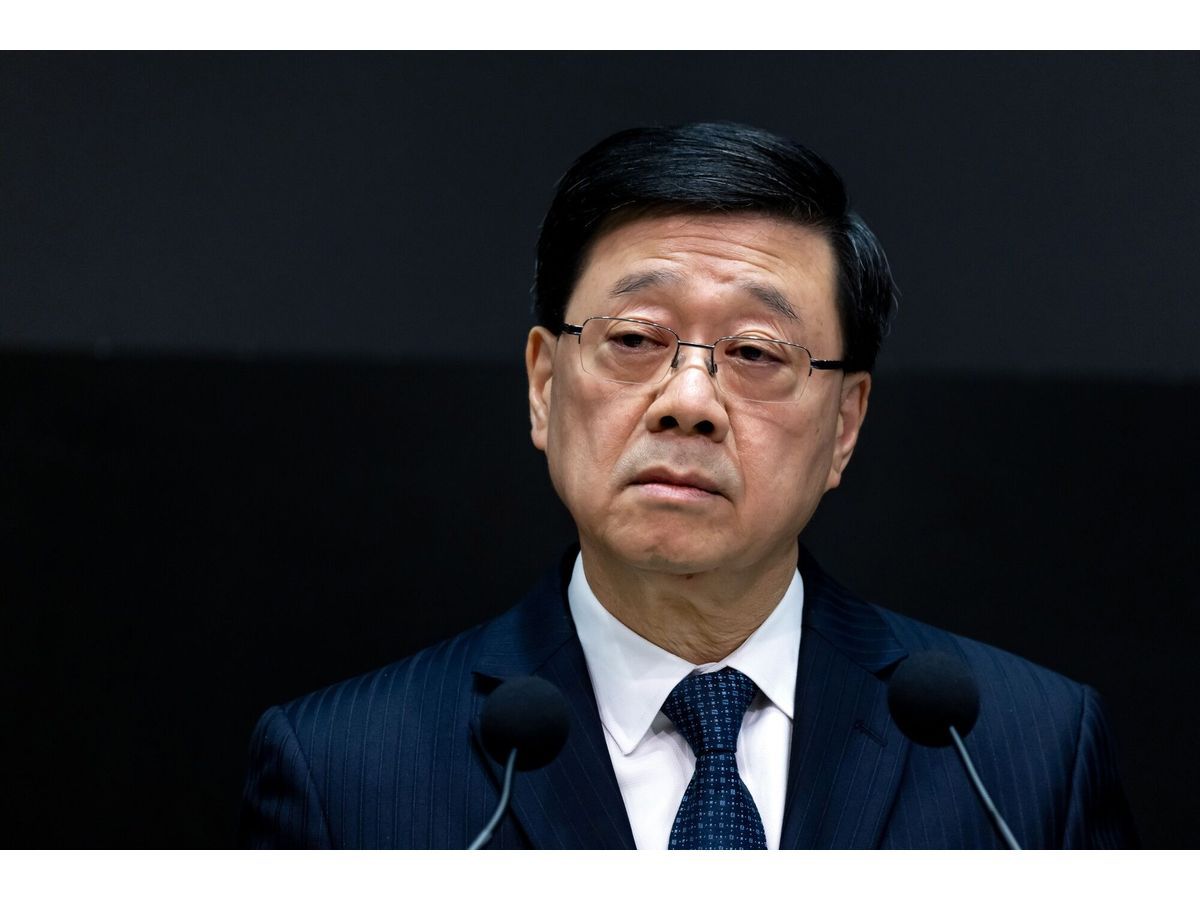
Hong Kong's Chief Executive has stated that he has not yet considered the possibility of running for a second term. This statement comes amidst ongoing discussions about the future political landscape in the region.
Hong Kong Leader Remains Noncommittal on Second Term Consideration
In a recent press conference, Hong Kong's Chief Executive, John Lee, expressed that he has not yet given thought to the prospect of seeking a second term in office. This statement has sparked discussions about the future of leadership in the city, especially as it navigates its complex political landscape.
Lee, who took office in July 2022, emphasized that his current focus remains on addressing pressing issues facing the city, including economic recovery, housing, and public health. His administration has faced criticism over its handling of various challenges, particularly in the wake of the COVID-19 pandemic and the subsequent economic downturn.
During the press briefing, Lee acknowledged the importance of public sentiment and the need for a government that is responsive to the needs of its citizens. He stated, "My priority is to serve the people of Hong Kong to the best of my ability. I will consider my future only after I have fulfilled my current responsibilities." This statement reflects a pragmatic approach to governance, prioritizing immediate concerns over political ambitions.
Lee's remarks come as speculation grows regarding the potential candidates for the next Chief Executive election, which is set to take place in 2027. The political environment in Hong Kong has been tumultuous in recent years, marked by widespread protests and significant changes in governance following the implementation of the National Security Law in 2020.
Political analysts have noted that Lee's noncommittal stance may be a strategic move, allowing him to maintain flexibility in his decision-making as he assesses public opinion and the political climate leading up to the election. Some observers believe that a clear indication of his intentions could either bolster or diminish his support among the electorate.
In the past, Lee has faced criticism for his close ties to Beijing and the perception that his administration is heavily influenced by the central government. This has raised questions about the autonomy of Hong Kong's leadership and the extent to which local leaders can make independent decisions. Lee's noncommittal response to a potential second term may serve as a way to distance himself from the perception of being a puppet of Beijing.
As the city continues to recover from the impacts of the pandemic, economic revitalization remains a top priority for Lee's administration. The Chief Executive has outlined various initiatives aimed at boosting the economy, including attracting foreign investment and supporting local businesses. However, the effectiveness of these measures will be closely scrutinized by both the public and political commentators.
In addition to economic issues, Lee's government is also grappling with social challenges, including housing affordability and public health concerns. The Chief Executive has pledged to address these matters, but critics argue that more decisive action is needed to meet the needs of residents.
As the political landscape in Hong Kong evolves, the question of leadership will undoubtedly remain at the forefront of public discourse. Lee's current focus on governance and service to the community may serve him well in the short term, but the long-term implications of his decisions will shape the future of Hong Kong's political environment.
In conclusion, while John Lee has not yet considered a second term, his leadership style and decisions in the coming years will be pivotal in determining his legacy and the trajectory of Hong Kong's governance.