Hong Kong Official Issues Warning to Booksellers on National Security Risks
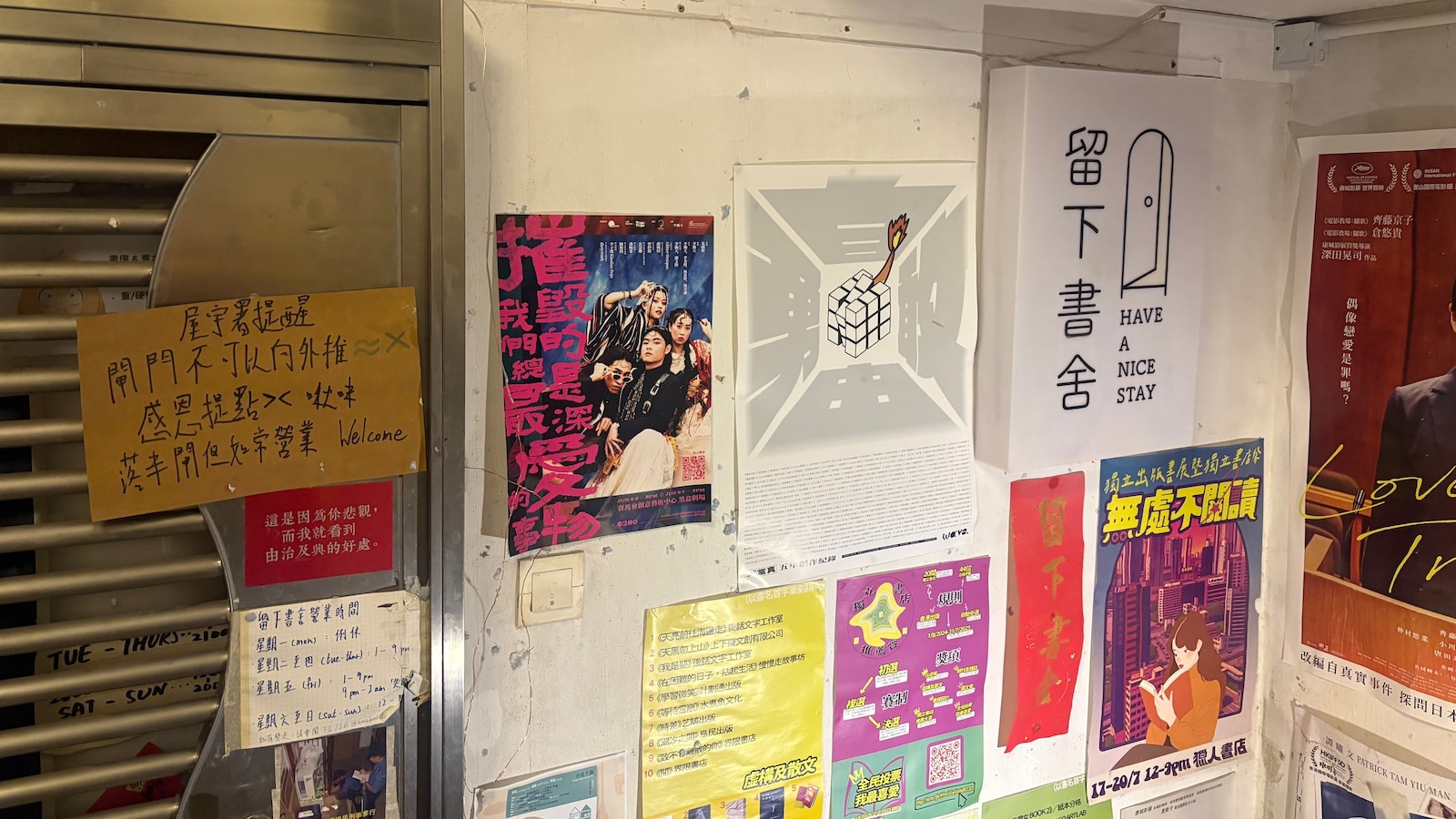
In a recent statement, a Hong Kong official has urged booksellers to be cautious about the titles they stock, emphasizing the need to avoid materials that could jeopardize national security. This warning follows a series of raids and arrests targeting individuals linked to the sale of controversial literature.
Introduction
In a significant development for the literary landscape of Hong Kong, a senior official has issued a stark warning to booksellers regarding the potential security risks associated with the titles they choose to sell. This cautionary message comes in the wake of recent raids and arrests that have raised concerns about freedom of expression and the implications of the national security law.
Context of the Warning
The warning was articulated during a press conference where the official emphasized the importance of ensuring that the books available in stores do not undermine national security. The directive appears to be part of a broader effort to regulate the content that is accessible to the public, particularly in light of the controversial national security law implemented in 2020, which has been criticized for stifling dissent and curbing freedoms in the city.
Recent Raids and Arrests
These developments follow a series of high-profile raids on bookstores and the arrest of individuals associated with the sale of literature deemed harmful to national security. Booksellers have expressed their concerns about the chilling effect these actions have on their ability to operate freely and to provide a diverse range of literature to the public. The official's remarks serve as a reminder of the precarious situation facing those in the publishing industry.
Implications for Booksellers
Booksellers are now faced with the daunting task of navigating a complex and often ambiguous legal landscape. The official's advice to avoid titles that could be interpreted as threatening to national security raises questions about what constitutes acceptable literature. Many booksellers fear that this could lead to self-censorship, where they preemptively exclude certain titles from their inventory to avoid potential repercussions.
Response from the Literary Community
The literary community in Hong Kong has reacted with a mix of concern and defiance. Authors, publishers, and booksellers have voiced their apprehensions about the implications of such warnings on freedom of expression. Some have argued that the government's stance could lead to a homogenization of available literature, stifling creativity and intellectual discourse.
International Observations
International observers have also taken note of these developments, highlighting the impact of the national security law on Hong Kong's once-thriving literary scene. Critics argue that the government's increasing control over literature is a clear indication of its broader strategy to suppress dissent and limit the freedoms that were once guaranteed under the “one country, two systems” framework.
Conclusion
As the situation evolves, the future of bookselling in Hong Kong remains uncertain. The official's warning serves as a critical reminder of the ongoing tensions between the government and the literary community. With the potential for further crackdowns on freedom of expression, booksellers must tread carefully, balancing the need to uphold national security with their commitment to providing a diverse and vibrant literary culture. The coming months will be pivotal in determining how this landscape will unfold and what it means for the future of literature in Hong Kong.