Hong Kong Officials Warn Booksellers on National Security Risks Following Recent Raids
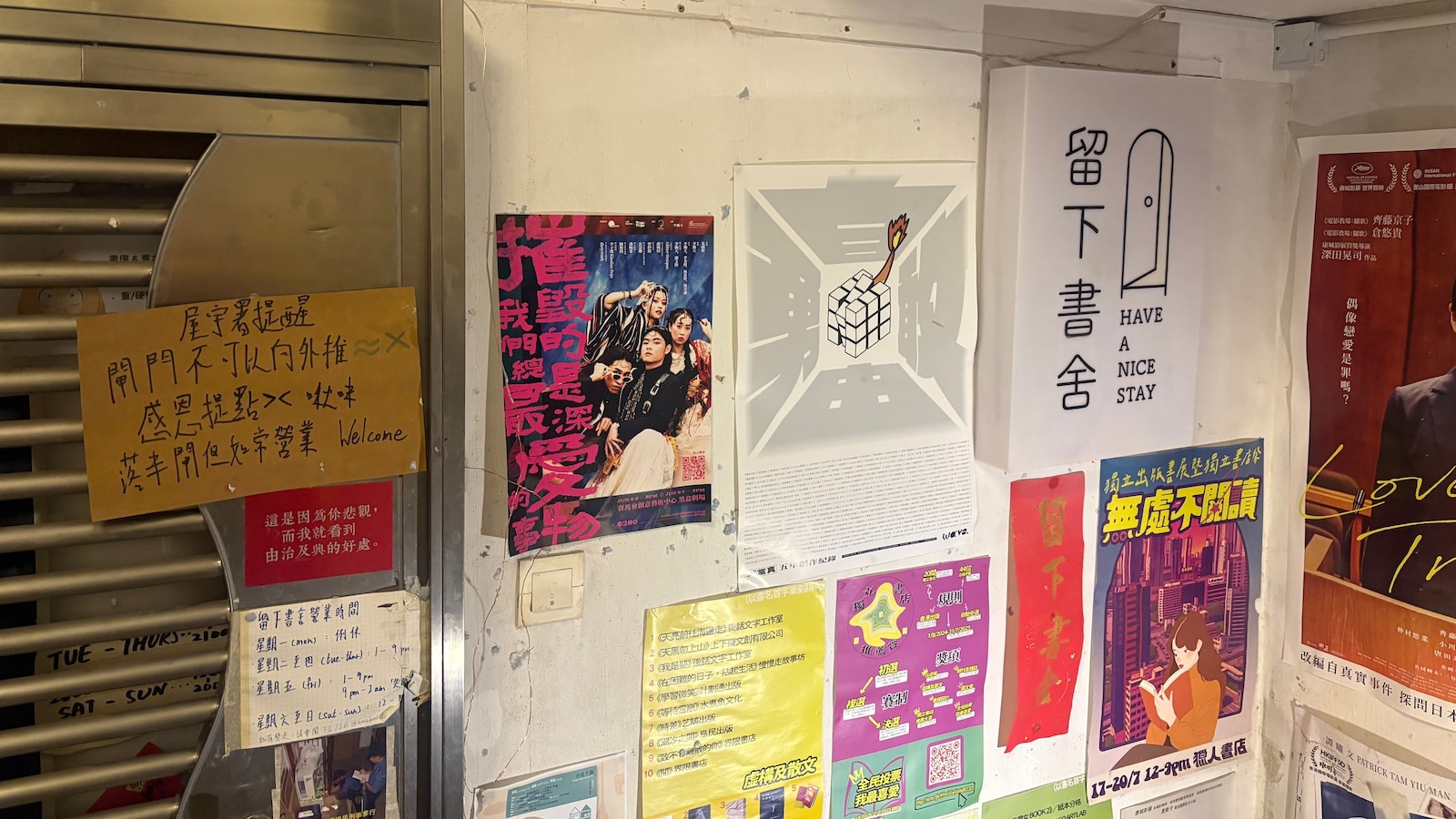
Hong Kong officials have issued a stern warning to booksellers regarding the potential security risks associated with their inventory. This comes in the wake of recent arrests linked to publications deemed harmful to national security.
Hong Kong Officials Issue Warnings to Booksellers
In a significant development following a series of police raids, Hong Kong officials have cautioned local booksellers about the potential security risks associated with the titles they choose to stock. This warning underscores the ongoing tensions surrounding freedom of expression in the region, particularly in light of the controversial national security law implemented in 2020.
Context of the Warnings
The recent remarks from government officials come after multiple arrests of booksellers who were accused of selling publications that allegedly violate the national security law. The law, which was enacted to curb dissent and promote stability, has raised concerns among activists and publishers regarding censorship and the suppression of free speech.
Guidance from Officials
During a press conference, a senior official emphasized the importance of ensuring that booksellers are vigilant about the content they offer. "Booksellers must be aware of the potential implications of the titles they carry and should take proactive measures to avoid any publications that could be interpreted as harmful to national security," the official stated. This guidance reflects a broader strategy by the Hong Kong government to reinforce its stance on national security and to mitigate any perceived threats to its authority.
Impact on the Publishing Industry
The implications of these warnings are profound for the local publishing industry, which has historically been a vibrant space for diverse opinions and literature. Many booksellers are now faced with the dilemma of self-censorship, as they navigate the fine line between promoting free expression and adhering to the stringent regulations imposed by the government.
Reactions from the Community
The response from the bookselling community has been mixed. Some booksellers express concern over the chilling effect these warnings may have on their business, while others argue that they must comply with the law to avoid legal repercussions. A prominent bookseller, who wished to remain anonymous, shared, "We are caught in a difficult position. We want to provide a platform for diverse voices, but the risks are becoming too high to ignore." This sentiment resonates with many in the industry who fear that the crackdown on dissent will stifle creativity and limit access to critical literature.
Broader Implications for Society
The situation raises important questions about the future of freedom of expression in Hong Kong. With the national security law being used as a tool to regulate content, many worry that the cultural landscape of the city is undergoing a significant transformation. Critics argue that the government’s approach is indicative of a broader trend toward authoritarianism, where dissenting voices are systematically silenced.
International Reactions
International observers have also taken note of the developments in Hong Kong. Human rights organizations have condemned the actions of the government, calling for greater protections for freedom of expression and the press. The ongoing situation has prompted discussions about the role of the international community in supporting Hong Kong’s autonomy and the preservation of its unique cultural identity.
Conclusion
As Hong Kong grapples with these challenges, the future of its vibrant literary culture hangs in the balance. The warnings issued by officials serve as a stark reminder of the precarious state of freedom of expression in the region. For booksellers and publishers, the path forward is fraught with uncertainty, as they navigate the complexities of operating within a system that increasingly prioritizes national security over individual liberties.