Hong Kong Police Arrest Booksellers Over Seditious Publications
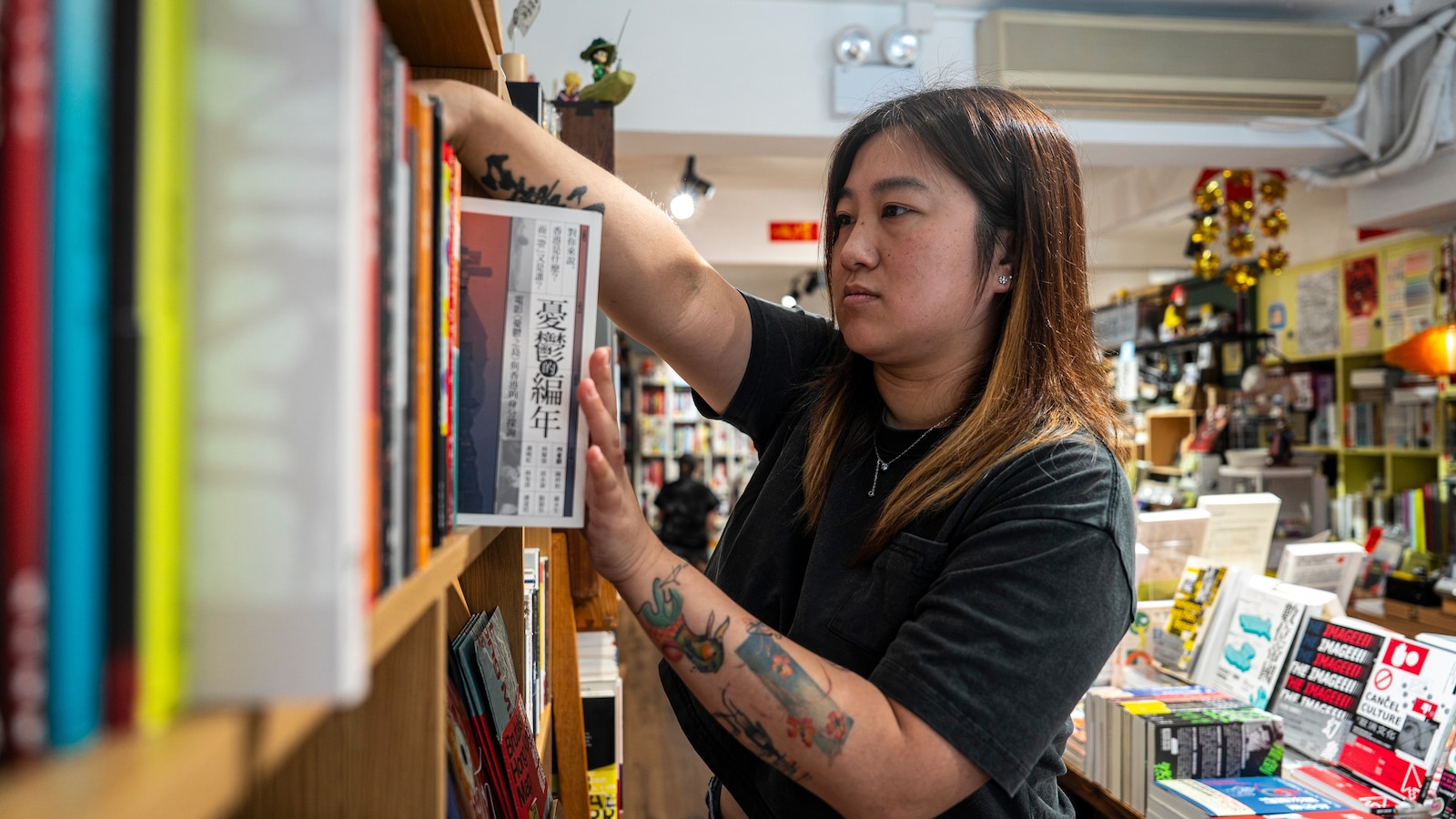
In a significant crackdown on dissent, Hong Kong police have arrested several booksellers suspected of selling seditious materials. This move raises concerns about freedom of expression in the region amidst ongoing tensions following the implementation of the National Security Law.
Police Action Against Booksellers
In a dramatic escalation of the ongoing crackdown on dissent in Hong Kong, police have arrested multiple booksellers on suspicion of selling seditious publications. This operation, which took place on Thursday, has drawn widespread condemnation from human rights advocates and raised alarm over the state of freedom of expression in the region.
Details of the Arrests
Authorities conducted coordinated raids across various bookstores in Hong Kong, targeting establishments known for selling literature critical of the government and its policies. The police stated that the arrests were part of a broader investigation into the sale of materials deemed seditious under the controversial National Security Law, which was enacted in June 2020.
Background of the National Security Law
The National Security Law has been criticized for its vague definitions and broad applications, allowing authorities to suppress dissent under the guise of maintaining national security. Since its implementation, numerous activists, journalists, and public figures have been arrested, leading to a chilling effect on free speech and expression in the city.
Reactions from the Community
The recent arrests have sparked outrage among pro-democracy advocates and international observers. Many see this as a continuation of the government’s efforts to silence voices of dissent and control the narrative surrounding Hong Kong’s political landscape. A spokesperson for a local human rights organization stated, “These arrests are a clear indication that the authorities are intent on stifling any form of criticism or opposition.”
Impact on Freedom of Expression
The crackdown on booksellers is part of a larger trend in which the Hong Kong government has increasingly targeted cultural and artistic expressions that challenge its authority. The closure of bookstores, the removal of books from shelves, and the arrest of authors and publishers have contributed to a climate of fear among those who wish to express dissenting opinions.
International Concerns
International organizations, including Amnesty International and Human Rights Watch, have condemned the arrests, calling for the immediate release of those detained and an end to the harassment of individuals expressing their views. The United States and other Western nations have also criticized the Hong Kong government’s actions, urging it to uphold its commitments to protect fundamental rights and freedoms.
Future of Bookselling in Hong Kong
The future of bookselling in Hong Kong appears increasingly precarious. Many independent bookstores have already closed their doors, fearing repercussions from the government. Those that remain are grappling with self-censorship, carefully curating their selections to avoid attracting unwanted attention from authorities.
Conclusion
The arrests of booksellers in Hong Kong mark a troubling chapter in the city’s ongoing struggle for freedom of expression. As the government continues to tighten its grip on dissent, the cultural landscape of Hong Kong is at risk of being irrevocably altered, with profound implications for its identity as a vibrant hub of literature and free thought.