Hong Kong Police Conduct Raids on Bookstores, Arrest Five Individuals
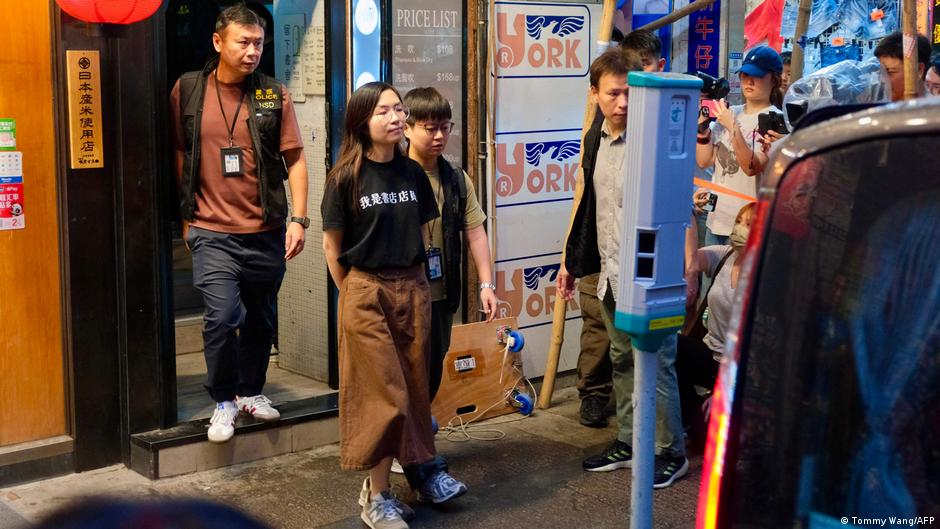
In a significant move, Hong Kong police raided two bookstores, leading to the arrest of five individuals. This operation raises concerns over freedom of expression and the state of civil liberties in the region.
Police Action Sparks Outrage and Concern
In a dramatic escalation of the ongoing crackdown on dissent in Hong Kong, police raided two bookstores on Thursday, arresting five individuals connected to the sale of books deemed to be in violation of the national security law. The raids, which occurred in broad daylight, have ignited a wave of outrage among pro-democracy activists and advocates for free speech, who view this as yet another attempt by authorities to stifle dissent and control the narrative surrounding the city’s political landscape.
Details of the Raids
According to reports from local media, the bookstores targeted were known for selling literature that included works critical of the Chinese Communist Party and the Hong Kong government. Officers from the Hong Kong Police Force's national security unit were seen entering the stores, seizing books and other materials while detaining staff members and customers alike. Eyewitness accounts describe a tense atmosphere as police conducted their operations, with many onlookers expressing disbelief at the aggressive tactics employed by law enforcement.
Context of the Arrests
The arrests come amidst a broader crackdown on freedoms in Hong Kong, particularly following the implementation of the national security law in June 2020. This legislation has been criticized for its vague definitions and broad scope, allowing authorities to target individuals and organizations that they perceive as threats to national security. The law has already led to the closure of numerous media outlets, the arrest of prominent activists, and a chilling effect on free speech.
Reactions from the Community
The bookstore raids have drawn condemnation from various quarters, including international human rights organizations and local advocacy groups. Amnesty International issued a statement expressing alarm over the police actions, calling them a clear violation of the right to freedom of expression. “These raids are yet another example of the Hong Kong authorities’ relentless assault on free speech and civil society,” the organization stated.
Local pro-democracy figures have also voiced their concerns, with many taking to social media to denounce the police actions. “Books are not a crime,” one activist tweeted, while others organized impromptu gatherings to show solidarity with the arrested individuals and to advocate for the protection of civil liberties in Hong Kong.
Implications for Freedom of Expression
The implications of these raids extend beyond the immediate arrests. Many fear that this incident could set a dangerous precedent for the future of literature and intellectual discourse in Hong Kong. The targeting of bookstores, which have traditionally served as bastions of free thought and expression, signals a worrying trend towards increased censorship and repression.
As authorities continue to tighten their grip on dissent, the literary community in Hong Kong finds itself at a crossroads. Many authors and publishers are now reconsidering their choices of subject matter, fearing repercussions for works that challenge the status quo. The vibrant literary scene that once flourished in the city is now under threat, as creators grapple with the realities of self-censorship.
Looking Ahead
As the situation unfolds, the international community is watching closely. Calls for accountability and respect for human rights in Hong Kong have intensified, with many urging foreign governments to take a stand against the erosion of freedoms in the region. The future of free expression in Hong Kong hangs in the balance, and the outcome of these latest police actions may well determine the trajectory of civil liberties in the city for years to come.