Hong Kong Police Granted Power to Demand Phone Passwords Under National Security Law
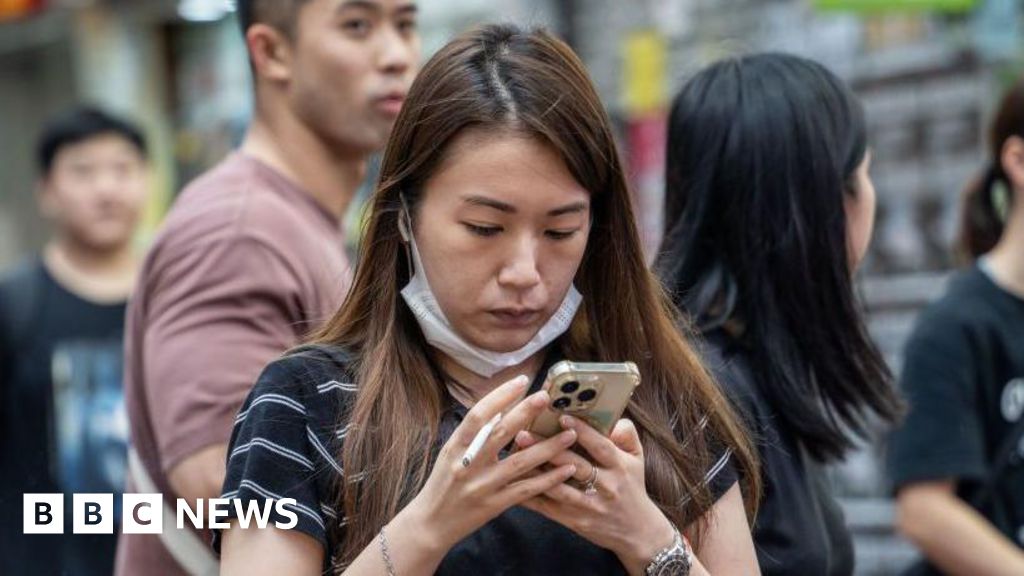
In a significant development, Hong Kong police are now authorized to demand individuals' phone passwords in the name of national security. This controversial move raises concerns about privacy and civil liberties amid ongoing tensions in the region.
Introduction
In a landmark decision that has sparked widespread debate, the Hong Kong police force has been granted the authority to demand individuals' phone passwords as part of the enforcement of the National Security Law (NSL). This development, reported by BBC News, marks a significant expansion of police powers in the region, raising serious concerns about privacy rights and civil liberties.
Background of the National Security Law
Enacted in June 2020, the National Security Law was introduced by the Chinese government in response to the pro-democracy protests that rocked Hong Kong in 2019. The law aims to curb dissent and restore order but has been criticized for its vague definitions of crimes such as secession, subversion, and collusion with foreign forces. Critics argue that the NSL undermines the autonomy and freedoms guaranteed to Hong Kong under the “one country, two systems” principle.
New Police Powers
The recent announcement allows police officers to compel individuals to unlock their mobile devices during investigations related to national security offenses. This includes the ability to demand passwords or biometric data, such as fingerprints or facial recognition, to access personal information stored on smartphones. The police have justified this move as necessary for the prevention and investigation of serious crimes, stating that access to digital devices is crucial for gathering evidence.
Implications for Privacy and Civil Liberties
Human rights advocates and legal experts have expressed deep concerns over this new power. Critics argue that it infringes on individuals' rights to privacy and could lead to abuses of power by law enforcement. The ability to access personal communications and data without a warrant raises alarms about the potential for surveillance and the erosion of civil liberties in Hong Kong.
Public Reaction
The public response has been mixed, with some citizens expressing support for enhanced security measures in light of ongoing tensions in the region. However, many others have voiced apprehension about the implications for personal freedom and the potential for misuse of this authority. Pro-democracy activists have warned that this move could further stifle dissent and create a climate of fear among the populace.
International Concerns
The international community has also reacted strongly to this development. Foreign governments and organizations have criticized the NSL and its implementation, viewing it as a direct assault on Hong Kong's autonomy and a breach of international agreements. The United States, the United Kingdom, and various human rights organizations have called for a reassessment of relations with Hong Kong and China, urging the protection of fundamental rights and freedoms.
The Future of Civil Liberties in Hong Kong
As the situation evolves, the implications of this new police power will likely unfold in the coming months. Legal challenges may arise as individuals contest the legality of such demands, and the broader implications for civil liberties in Hong Kong remain uncertain. Observers will be closely monitoring how this development impacts the ongoing struggle for democracy and human rights in the region.
Conclusion
The Hong Kong police's new authority to demand phone passwords under the National Security Law represents a critical juncture in the city’s ongoing battle between security and civil liberties. As tensions continue to rise, the balance between state power and individual rights will be tested, with significant consequences for the future of Hong Kong.