Hong Kong Prison Service Withdraws AI-Generated K-Pop Ad Amid Backlash
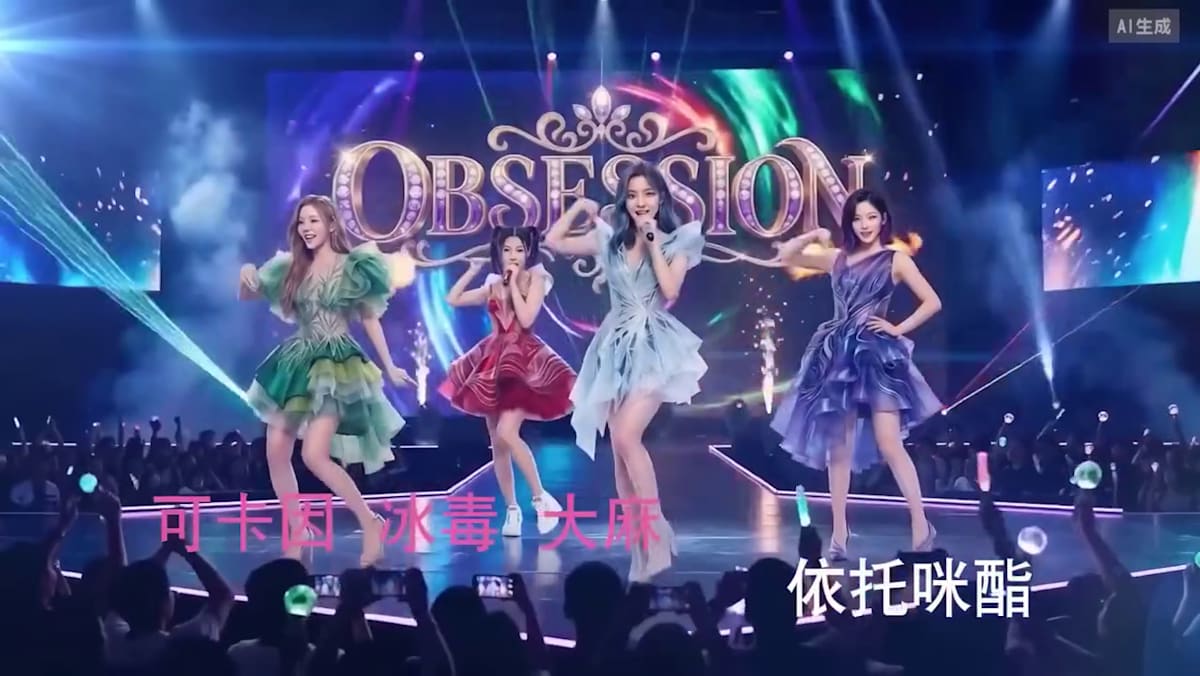
The Hong Kong Prison Service has retracted a controversial AI-generated K-pop advertisement aimed at promoting anti-drug messaging after it faced significant public backlash. Critics argue that the ad trivialized serious issues surrounding drug abuse and rehabilitation.
Introduction
The Hong Kong Prison Service has recently found itself at the center of controversy after launching an AI-generated K-pop advertisement intended to promote anti-drug messages. The initiative, which aimed to engage younger audiences through the popular music genre, has been met with significant criticism, leading to its swift withdrawal.
The Controversial Campaign
Initially unveiled as part of a broader campaign to combat drug abuse among youth, the advertisement featured vibrant visuals and catchy tunes reminiscent of popular K-pop hits. The intent was clear: to leverage the global appeal of K-pop to communicate serious messages about the dangers of drug use and the importance of rehabilitation.
Public Backlash
However, the response from the public was overwhelmingly negative. Critics argued that the ad trivialized the serious issues surrounding drug addiction and recovery. Many felt that using a lighthearted and entertaining format to address such a grave topic was inappropriate and could potentially undermine the gravity of drug-related issues in society.
Statements from Officials
In response to the backlash, a spokesperson for the Hong Kong Prison Service stated, “We aimed to create an engaging and relatable message for the youth, but we understand that the execution may not have resonated as intended.” The spokesperson acknowledged the concerns raised by the community and emphasized that the service is committed to addressing drug abuse with the seriousness it deserves.
Implications for Future Campaigns
This incident raises important questions about the effectiveness and appropriateness of using popular culture to address serious social issues. While innovative approaches can capture attention, it is crucial that they do not dilute the message or offend the very audience they aim to help.
Reactions from Experts
Experts in public health and drug rehabilitation have weighed in on the matter, suggesting that campaigns should be grounded in empathy and understanding. Dr. Emily Chan, a public health advocate, stated, “While creativity in messaging is important, we must ensure that the content respects the experiences of those affected by drug abuse. Humor and entertainment should not overshadow the seriousness of addiction.”
Conclusion
The withdrawal of the K-pop ad serves as a reminder of the delicate balance required when addressing sensitive topics such as drug addiction. As the Hong Kong Prison Service reevaluates its approach, it remains to be seen how future campaigns will be crafted to effectively communicate their messages without risking misunderstanding or offense.
Looking Ahead
Moving forward, it is essential for organizations to engage with communities and stakeholders when designing public health campaigns. By fostering dialogue and understanding, they can create messages that resonate with audiences while maintaining the seriousness of the issues at hand.