Hong Kong Proposes Easing Rules for Dual-Class Share Listings in Competitiveness Push
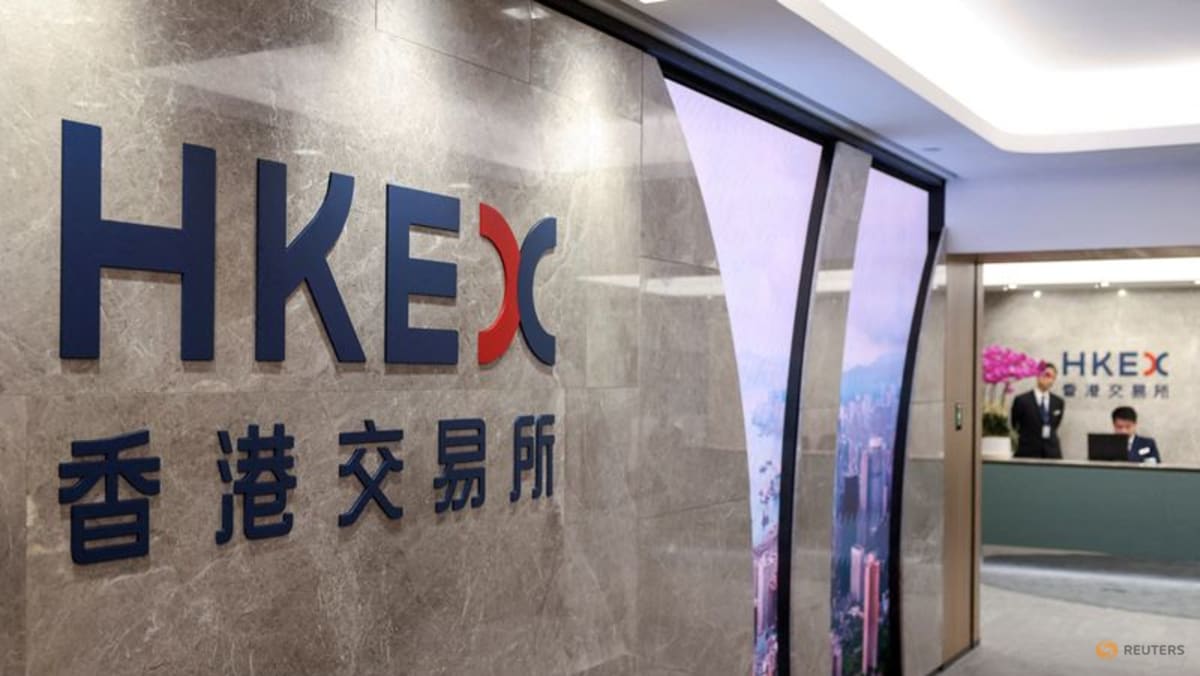
Hong Kong's government is considering a proposal to relax regulations on dual-class share structures, aiming to enhance the city's competitiveness as a financial hub. This move is seen as a strategic response to the growing popularity of such listings in global markets.
Introduction
In a significant move to bolster its status as a leading financial center, the Hong Kong government has proposed easing regulations surrounding dual-class share listings. This decision comes in response to increasing competition from other financial hubs and aims to attract more technology and innovative companies to list in the city.
Understanding Dual-Class Share Structures
Dual-class share structures allow companies to issue two classes of shares, typically granting one class more voting rights than the other. This arrangement is particularly appealing to founders and key executives, as it enables them to maintain control over their companies even after going public. Many tech giants, including Google and Facebook, have utilized this structure to great effect, leading to a growing demand for similar opportunities in Hong Kong.
The Current Regulatory Landscape
Currently, Hong Kong has stringent regulations governing dual-class share listings, which have deterred some companies from choosing the city as their primary listing venue. The existing rules require that companies with dual-class shares must have a minimum market capitalization of HKD 10 billion (approximately USD 1.28 billion) and that the shares must be held by a minimum of 25% of the public. These restrictions have raised concerns among potential listings, particularly from the tech sector.
Proposed Changes and Their Implications
The proposed changes aim to relax these stringent requirements, making it easier for companies to adopt dual-class structures. By reducing the minimum market capitalization and public float requirements, the Hong Kong government hopes to attract more innovative firms, particularly those in the technology sector, to consider listing in the city.
Financial Secretary Paul Chan highlighted that these changes are part of a broader strategy to enhance Hong Kong's competitiveness in the global market. “We must adapt to the changing landscape of the global economy and ensure that Hong Kong remains an attractive destination for businesses,” Chan stated during a recent briefing.
Global Context and Competition
Hong Kong is not the only financial hub reevaluating its listing rules. Competitors such as New York and Singapore have already embraced dual-class share structures, leading to a significant influx of tech IPOs. For instance, the New York Stock Exchange (NYSE) has seen a surge in listings from companies utilizing dual-class structures, prompting Hong Kong to reconsider its regulatory framework.
In recent years, several high-profile companies have opted to list in the United States instead of Hong Kong, citing the more favorable regulatory environment. This trend has raised alarms among Hong Kong officials, prompting calls for reform to prevent further erosion of the city’s status as a financial powerhouse.
Industry Reactions
The proposed changes have been met with a mix of optimism and caution from industry stakeholders. Many financial analysts and investment bankers have welcomed the initiative, viewing it as a necessary step to revitalize Hong Kong's IPO market. “Easing the rules for dual-class shares could significantly enhance the attractiveness of Hong Kong as a listing venue for tech companies,” said a senior analyst at a leading investment bank.
However, some experts have raised concerns about the potential risks associated with dual-class structures, particularly regarding corporate governance and shareholder rights. Critics argue that allowing companies to maintain disproportionate control could lead to governance issues and diminish investor confidence.
Conclusion
As Hong Kong seeks to adapt to the rapidly evolving global financial landscape, the proposed easing of dual-class share listing regulations represents a pivotal moment for the city. While the changes aim to attract more innovative companies and enhance competitiveness, the balance between fostering growth and ensuring robust governance will be crucial in determining the long-term success of this initiative.