Hong Kong Proposes New National Security Offense Definition Under City Leader's Authority
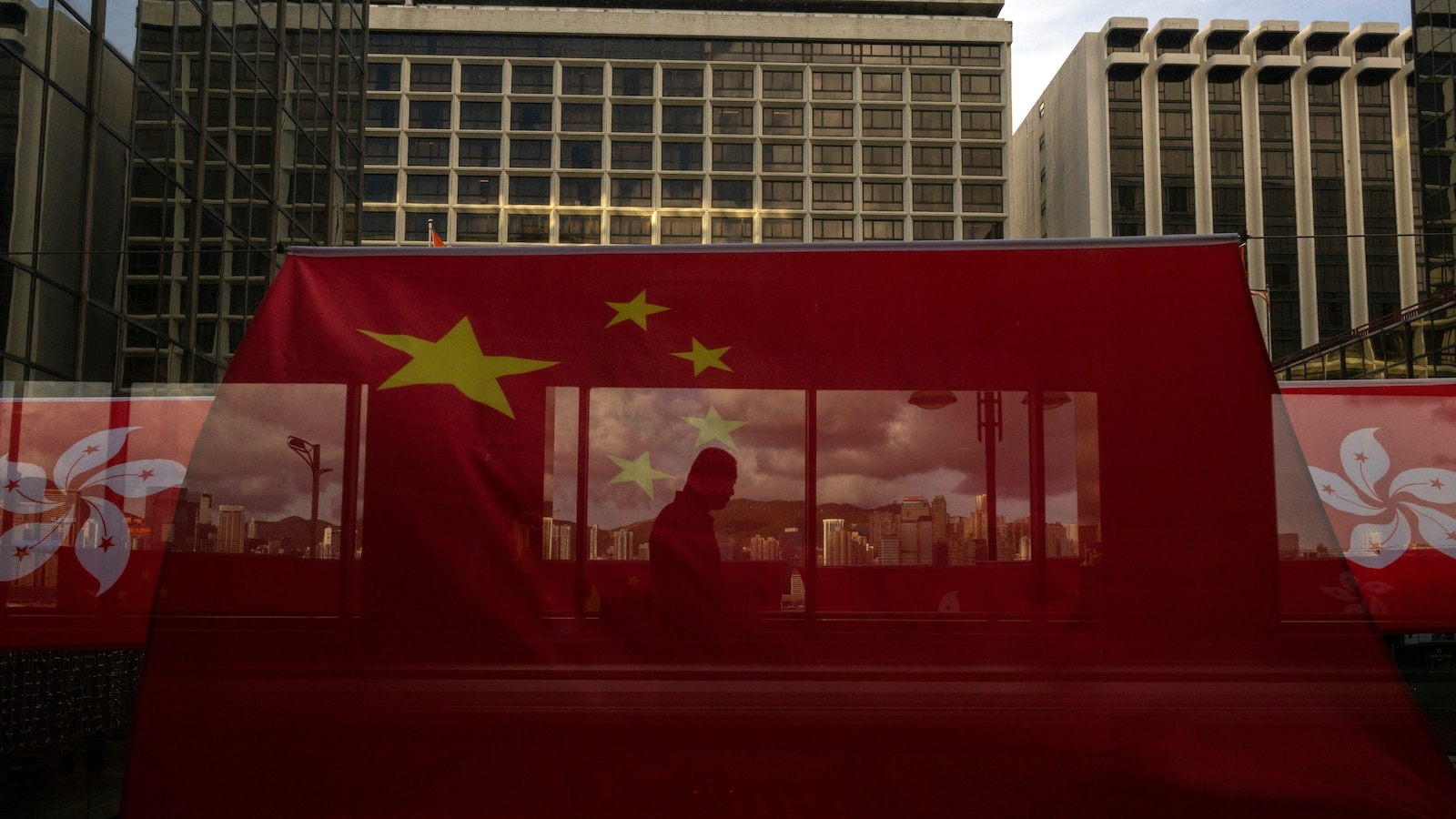
Hong Kong's government has introduced a proposal allowing the city leader to determine what constitutes a national security offense. This move raises concerns about increased government control and potential suppression of dissent in the region.
Introduction
In a significant development that could reshape the legal landscape of Hong Kong, the local government has proposed a new framework that grants the Chief Executive the authority to define what constitutes a national security offense. This initiative, which has sparked widespread debate and concern among legal experts, activists, and the general public, is seen as a further consolidation of power in the hands of the government.
The Proposal
According to reports from ABC News, the proposal is part of a broader effort to strengthen national security laws in Hong Kong, following the contentious implementation of the National Security Law (NSL) in 2020. Under the new framework, the Chief Executive would have the discretion to classify offenses related to national security, which critics argue could lead to arbitrary interpretations and misuse of power.
Context of the National Security Law
The National Security Law was enacted in response to the widespread protests that rocked Hong Kong in 2019, which were initially sparked by a proposed extradition bill. The law criminalizes acts of secession, subversion, terrorism, and collusion with foreign forces, and has been criticized for its vague definitions and broad scope. Since its implementation, numerous activists, journalists, and opposition figures have been arrested, leading to a chilling effect on free speech and political dissent in the region.
Implications of the New Proposal
Legal experts warn that the new proposal could further erode the rule of law in Hong Kong. By allowing the Chief Executive to define national security offenses, the government could potentially target dissenters, journalists, and civil society organizations under the guise of national security. This move is perceived as a direct threat to the autonomy and freedoms that were promised to Hong Kong under the “one country, two systems” framework.
Public Reaction
The public response to the proposal has been overwhelmingly negative. Many residents express fears that this could lead to an even more oppressive environment, where any form of criticism against the government could be labeled as a national security threat. Activists have taken to social media to voice their concerns, and some have organized protests to oppose the proposed changes.
International Concerns
The international community has also reacted with alarm. Foreign governments and human rights organizations have condemned the proposal, asserting that it undermines the freedoms and rights of Hong Kong residents. The United States, in particular, has criticized the Hong Kong government for its increasing authoritarianism and has indicated that it may impose further sanctions in response to the erosion of civil liberties.
Conclusion
As the Hong Kong government moves forward with this proposal, the implications for civil liberties and the rule of law in the region remain uncertain. The decision to allow the Chief Executive to define national security offenses raises fundamental questions about the balance of power and the protection of individual rights in Hong Kong. With mounting domestic and international pressure, the future of Hong Kong's legal and political landscape hangs in the balance.