Hong Kong Protests Panama's Control Over Canal Ports
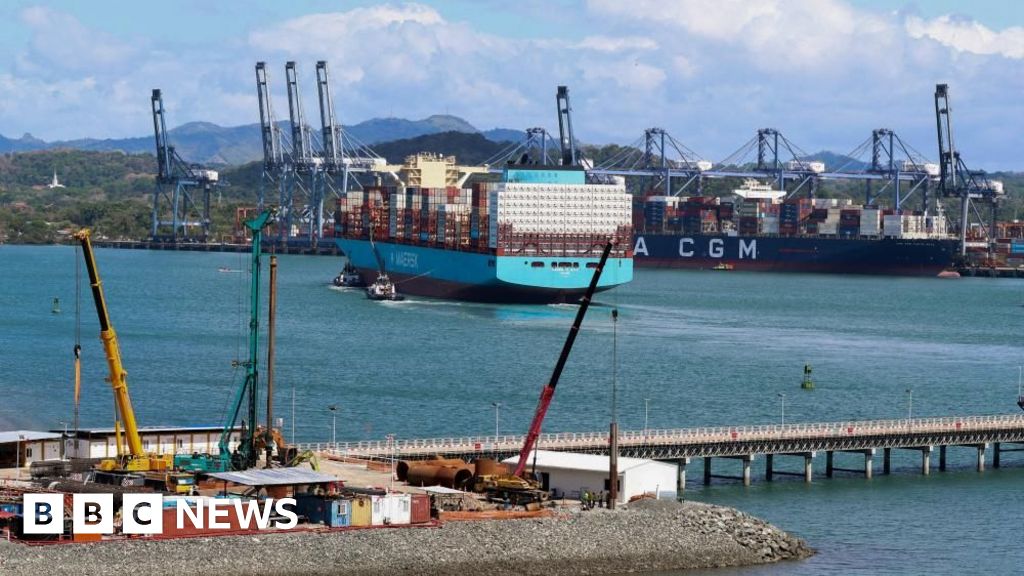
Hong Kong has issued a strong protest against Panama's recent decision to take control of its canal ports, raising concerns over international trade and regional stability. The move has sparked diplomatic tensions as Hong Kong seeks to safeguard its interests in global shipping routes.
Introduction
In a significant diplomatic development, Hong Kong has lodged a 'strong protest' against Panama's recent decision to take control of its canal ports. This move has raised alarms regarding international trade dynamics and the potential implications for regional stability.
Background of the Canal Ports
The Panama Canal is a crucial conduit for maritime trade, connecting the Atlantic and Pacific Oceans. It plays a vital role in global shipping, with approximately 14,000 vessels passing through it each year. The canal's strategic importance is underscored by its ability to significantly reduce travel time for ships, thereby impacting shipping costs and trade efficiency worldwide.
Details of the Protest
Hong Kong's protest comes in response to Panama's recent governmental decision to assert greater control over the canal ports, a move perceived as a threat to the existing balance of power in international shipping. The Hong Kong government expressed concerns that this decision could disrupt established trade routes and negatively impact the flow of goods through one of the world's busiest maritime corridors.
Implications for Trade
Hong Kong has long been recognized as a global shipping hub, with its port being one of the busiest in the world. The recent developments in Panama could potentially lead to increased shipping costs and delays, affecting not only Hong Kong but also other nations that rely on the canal for trade. Analysts warn that any disruption in the canal's operations could have a ripple effect on global supply chains, particularly in the wake of ongoing economic recovery efforts post-pandemic.
Reactions from the Business Community
The business community in Hong Kong has reacted with concern to Panama's decision. Industry leaders are calling for diplomatic negotiations to address the situation, emphasizing the need for stability in international trade routes. Many businesses fear that increased control by Panama could lead to higher tariffs and fees, ultimately impacting consumers and businesses alike.
Regional Reactions
Reactions from neighboring countries have been mixed. Some nations have expressed support for Hong Kong's position, citing the importance of maintaining open and fair trade practices. Others, however, have remained neutral, emphasizing the need for Panama to exercise its sovereignty over its ports while also considering the broader implications for international trade.
Next Steps
As tensions rise, it remains to be seen how Panama will respond to Hong Kong's protest. Diplomatic channels are expected to remain open as both parties seek a resolution that minimizes disruption to global trade. Experts suggest that a multilateral dialogue involving other nations may be necessary to address the complexities of the situation and ensure that the interests of all parties are considered.
Conclusion
The ongoing situation between Hong Kong and Panama highlights the intricate web of international trade and the delicate balance of power that exists within it. As both sides navigate this diplomatic challenge, the global community will be watching closely, recognizing that the decisions made in the coming weeks could have far-reaching consequences for trade and economic relations worldwide.