Hong Kong's Bad-Debt Bankers Ramp Up Fire Sales Amid Economic Uncertainty
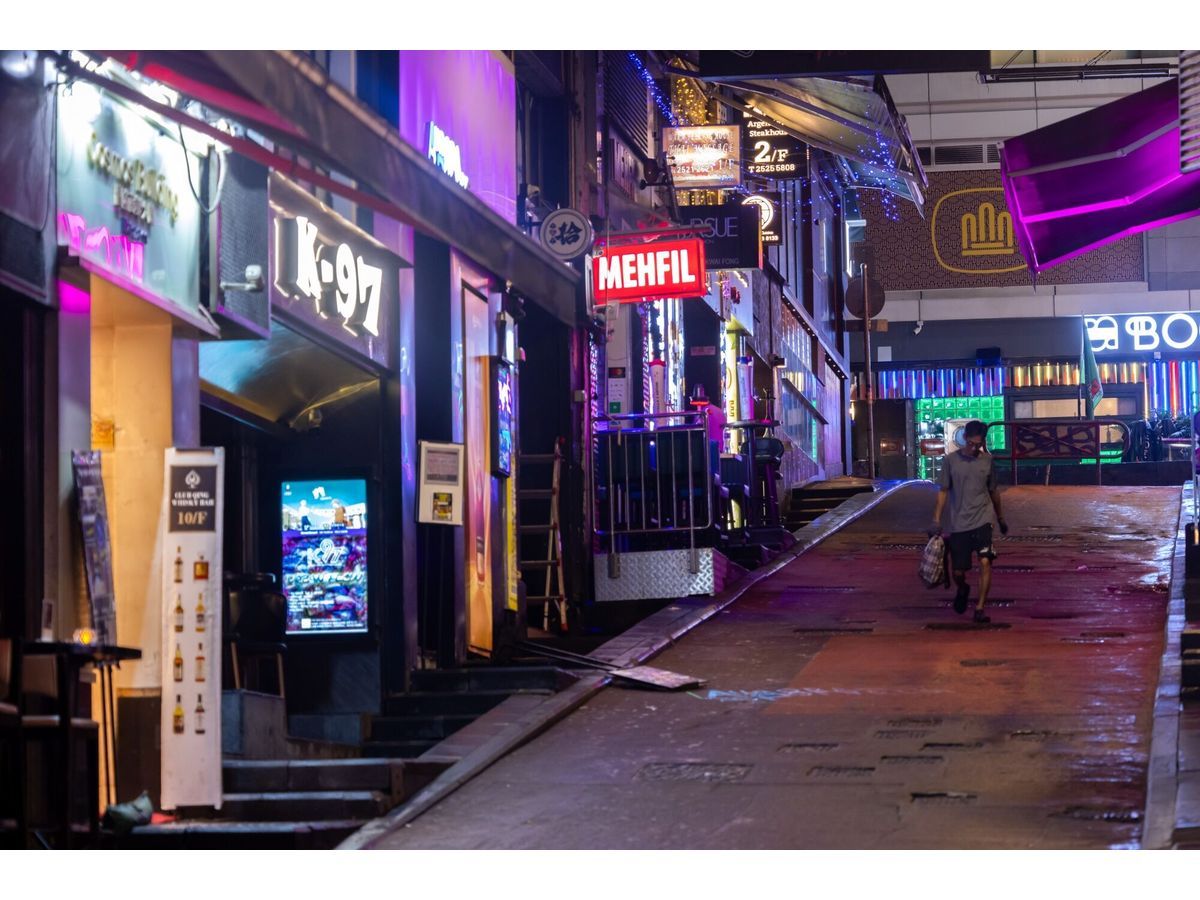
As Hong Kong's economy grapples with the repercussions of the pandemic and geopolitical tensions, bad-debt bankers are increasingly resorting to fire sales and liquidations. This trend highlights the challenges facing the financial sector and the broader implications for the city's economic recovery.
Introduction
In the wake of ongoing economic challenges, Hong Kong's financial landscape is witnessing a significant shift as bad-debt bankers ramp up fire sales and liquidations. The city's economy, already strained by the effects of the COVID-19 pandemic and escalating geopolitical tensions, is now facing a surge in distressed asset sales, raising concerns about the stability of its financial sector.
The Rise of Fire Sales
According to recent reports, bad-debt bankers in Hong Kong are increasingly turning to fire sales as a means of liquidating non-performing loans and distressed assets. This trend has been exacerbated by a combination of factors, including rising interest rates, a slowing property market, and an overall decline in consumer spending. As businesses struggle to remain afloat, many are finding it difficult to service their debts, leading to a spike in defaults.
Impact on the Financial Sector
The uptick in fire sales has significant implications for Hong Kong's financial sector. Analysts warn that the increase in distressed asset sales could lead to a further deterioration of asset quality among banks, potentially resulting in tighter lending conditions. This could create a vicious cycle, where reduced lending hampers economic growth, leading to more defaults and, consequently, more fire sales.
Market Reactions
The market's reaction to this trend has been mixed. While some investors see opportunities in acquiring distressed assets at bargain prices, others are wary of the potential risks involved. The uncertainty surrounding the economic outlook has led to increased volatility in financial markets, with many investors adopting a cautious approach. The Hong Kong Monetary Authority has also expressed concerns over the potential impact of rising bad debts on the stability of the banking sector.
Government Response
In response to the growing crisis, the Hong Kong government has implemented various measures aimed at stabilizing the economy and supporting businesses. These include financial assistance programs, tax relief measures, and initiatives to promote economic diversification. However, the effectiveness of these measures remains to be seen, as many businesses continue to face significant challenges.
Broader Economic Implications
The rise in fire sales and liquidations is not only a concern for the financial sector but also has broader implications for Hong Kong's economy. As businesses close their doors and unemployment rises, consumer confidence is likely to take a hit, further exacerbating the economic downturn. The city, known for its resilience, now faces the daunting task of navigating through these turbulent times while striving for recovery.
Conclusion
As Hong Kong's bad-debt bankers ramp up fire sales, the financial sector is at a critical juncture. The ongoing economic challenges pose significant risks, and the path to recovery remains uncertain. Stakeholders must remain vigilant and responsive to the evolving landscape to mitigate the potential fallout from this troubling trend.