Hong Kong's Colonial-Era Law Under Scrutiny for Human Rights Violations
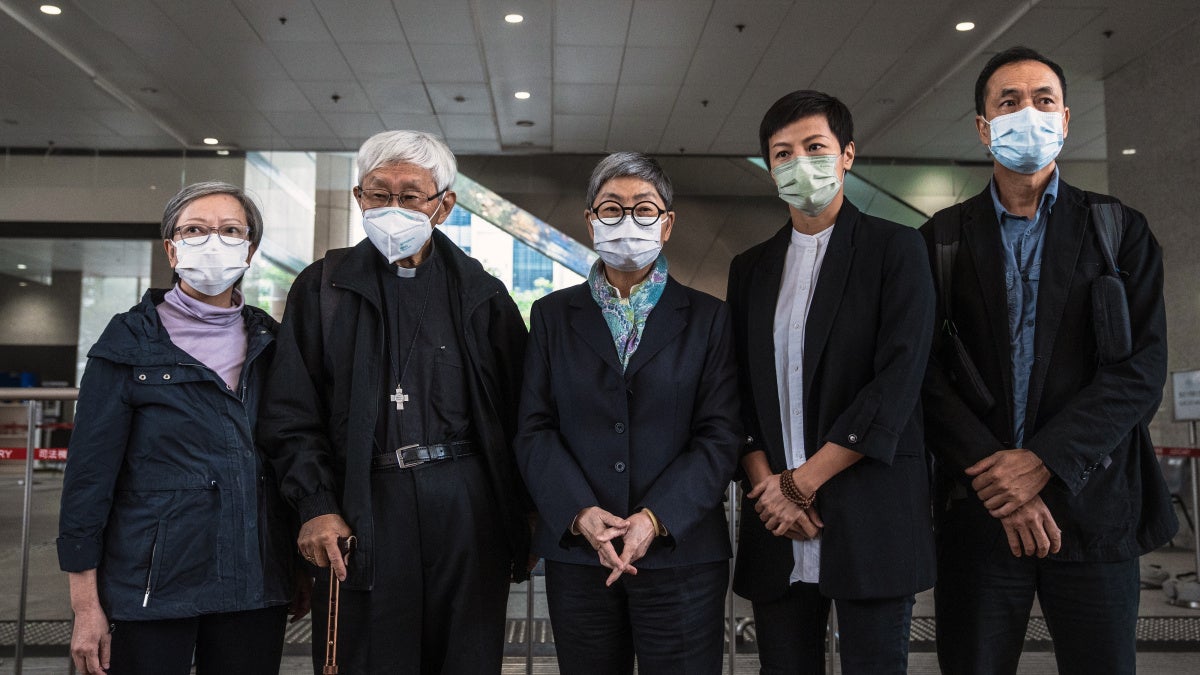
Human Rights Watch highlights the misuse of colonial-era laws in Hong Kong, raising concerns over the erosion of civil liberties. The report calls for urgent reforms to protect human rights amidst growing authoritarianism.
Introduction
In a recent report, Human Rights Watch (HRW) has shed light on the alarming misuse of colonial-era laws in Hong Kong, which are being leveraged to undermine fundamental human rights and freedoms. As the city grapples with increasing authoritarianism, the implications of these outdated legal frameworks have sparked significant concern among activists, legal experts, and the international community.
The Colonial Legacy
Hong Kong's legal system is steeped in colonial history, with many laws dating back to British rule. While some of these laws were designed to maintain order and governance, their relevance in today's democratic context is highly questionable. HRW's report argues that these laws have been repurposed by the Hong Kong government to suppress dissent and curtail civil liberties, leading to a troubling erosion of rights.
Key Findings of the Report
HRW's investigation highlights several instances where colonial-era legislation has been misapplied. Notably, the Public Order Ordinance, originally intended to maintain public peace, has been used to criminalize peaceful protests and gatherings. The report documents numerous cases where activists have faced severe penalties for exercising their right to free speech and assembly.
Moreover, the Sedition Ordinance, another relic from the colonial period, has been invoked to silence critics of the government. This law, which criminalizes acts deemed seditious, has led to the prosecution of journalists, activists, and even ordinary citizens for expressing dissenting views. The chilling effect of such laws has created an environment of fear, stifling open dialogue and debate.
International Response
The findings of HRW have not gone unnoticed on the global stage. Human rights organizations and foreign governments have condemned Hong Kong's use of colonial laws to infringe upon civil liberties. The United States, the United Kingdom, and several European nations have called for the immediate repeal of these laws, urging the Hong Kong government to uphold its commitments to human rights as outlined in the Sino-British Joint Declaration.
International pressure has been mounting, with calls for accountability and transparency in the legal processes that have led to the suppression of dissent. Activists have urged foreign governments to impose sanctions on officials responsible for human rights abuses, highlighting the need for a coordinated global response to protect the rights of Hong Kong citizens.
Calls for Reform
In light of these revelations, HRW has called for urgent legal reforms to abolish or amend colonial-era laws that are being misused to violate human rights. The organization emphasizes the importance of establishing a legal framework that aligns with international human rights standards, ensuring that all citizens can freely express their opinions without fear of retribution.
Legal experts in Hong Kong echo these sentiments, arguing that the current legal landscape is incompatible with the principles of democracy and justice. They advocate for a comprehensive review of existing laws, urging lawmakers to prioritize the protection of civil liberties over the suppression of dissent.
Conclusion
The misuse of colonial-era laws in Hong Kong represents a significant threat to the city's democratic values and human rights. As the international community watches closely, the call for reform grows louder. The future of Hong Kong's civil liberties hangs in the balance, and it is imperative that the government takes immediate action to rectify these injustices and restore faith in its legal system.