Hong Kong's Deteriorating Human Rights Landscape: A Year in Review
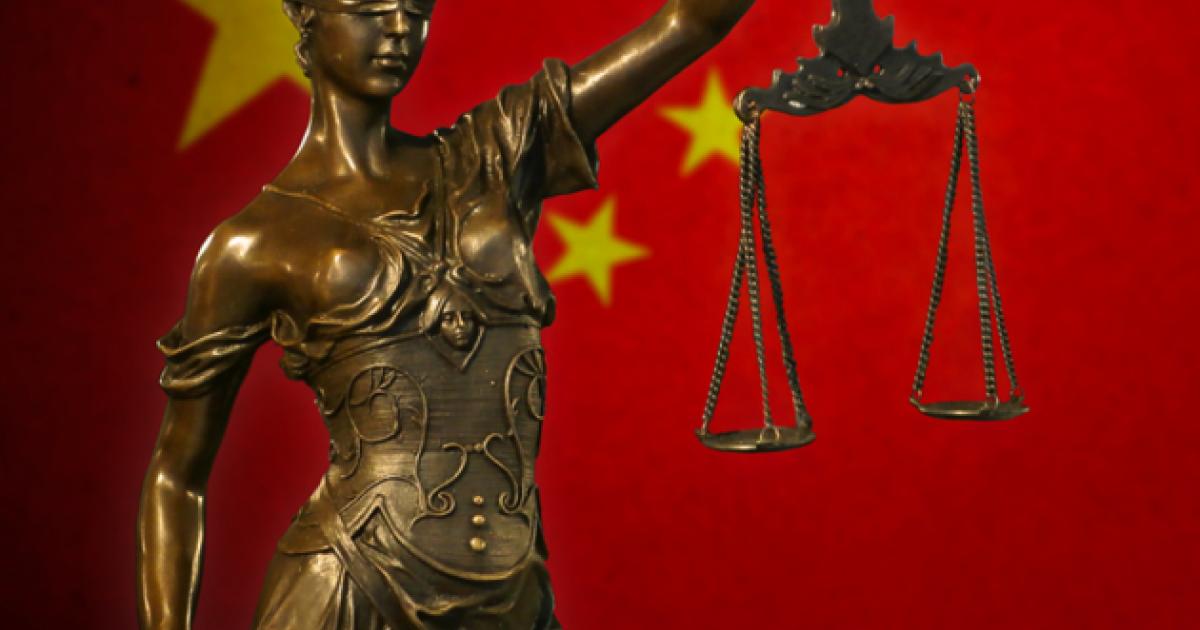
As Hong Kong marks another year under stringent security laws, the human rights situation continues to worsen. This report delves into the implications of Beijing's increasing control over the city and the impact on civil liberties.
Introduction
In the wake of the 2019 protests, Hong Kong has witnessed a significant tightening of its civil liberties, with the imposition of the National Security Law (NSL) in 2020 marking a pivotal moment in the city's governance. This report reviews the human rights landscape in Hong Kong over the past year, highlighting the implications of Beijing's increasing control and the erosion of freedoms that once defined the city.
National Security Law: A Tool for Repression
The National Security Law has been a cornerstone of Beijing's strategy to quell dissent in Hong Kong. Enacted on June 30, 2020, the law criminalizes secession, subversion, terrorism, and collusion with foreign forces, with penalties that can reach life imprisonment. In the past year, the law has been wielded against pro-democracy activists, journalists, and even ordinary citizens, creating a pervasive climate of fear.
Crackdown on Civil Society
The crackdown on civil society has intensified, with numerous organizations disbanding or ceasing operations to avoid persecution. Prominent pro-democracy groups, including the Hong Kong Alliance in Support of Patriotic Democratic Movements of China, have been forced to dissolve under the pressure of the NSL. This systematic dismantling of civil society has left a void in the city's political landscape, stifling public discourse and dissent.
Media Freedom Under Siege
Media freedom, once a hallmark of Hong Kong's vibrant civil society, has also come under severe threat. The closure of independent news outlets, such as Apple Daily, and the arrest of journalists have raised alarm bells among international watchdogs. Journalists now operate under constant scrutiny, with self-censorship becoming the norm as they navigate the treacherous waters of reporting in an increasingly hostile environment.
Judicial Independence at Risk
The erosion of judicial independence has been another critical aspect of the human rights situation in Hong Kong. The government has increasingly interfered in the judiciary, undermining the rule of law that was once a cornerstone of the city's governance. High-profile cases against pro-democracy figures have raised concerns about the impartiality of the legal system, leading many to question whether justice can be served in an environment where political considerations overshadow legal principles.
International Response and Solidarity
The international community has reacted with concern to the deteriorating human rights situation in Hong Kong. Several countries have imposed sanctions on Hong Kong and Chinese officials implicated in the repression of freedoms. Human rights organizations continue to advocate for the protection of civil liberties in the city, urging global leaders to hold Beijing accountable for its actions.
The Future of Hong Kong's Civil Liberties
As Hong Kong navigates this challenging landscape, the future of its civil liberties remains uncertain. The resilience of its citizens, however, is evident in the continued calls for democracy and accountability. Activists and ordinary citizens alike are finding ways to express their dissent, even in the face of overwhelming odds. The international community's support will be crucial in sustaining these efforts and ensuring that the voices of Hong Kong's people are not silenced.
Conclusion
The past year has seen a dramatic decline in human rights in Hong Kong, marked by the implementation of the National Security Law and the subsequent crackdown on dissent. As the city faces an uncertain future, the struggle for democracy and human rights continues, underscoring the resilience of its people in the face of repression.