Hong Kong's Economic Growth Projected to Alleviate Fiscal Deficit, Says Financial Secretary
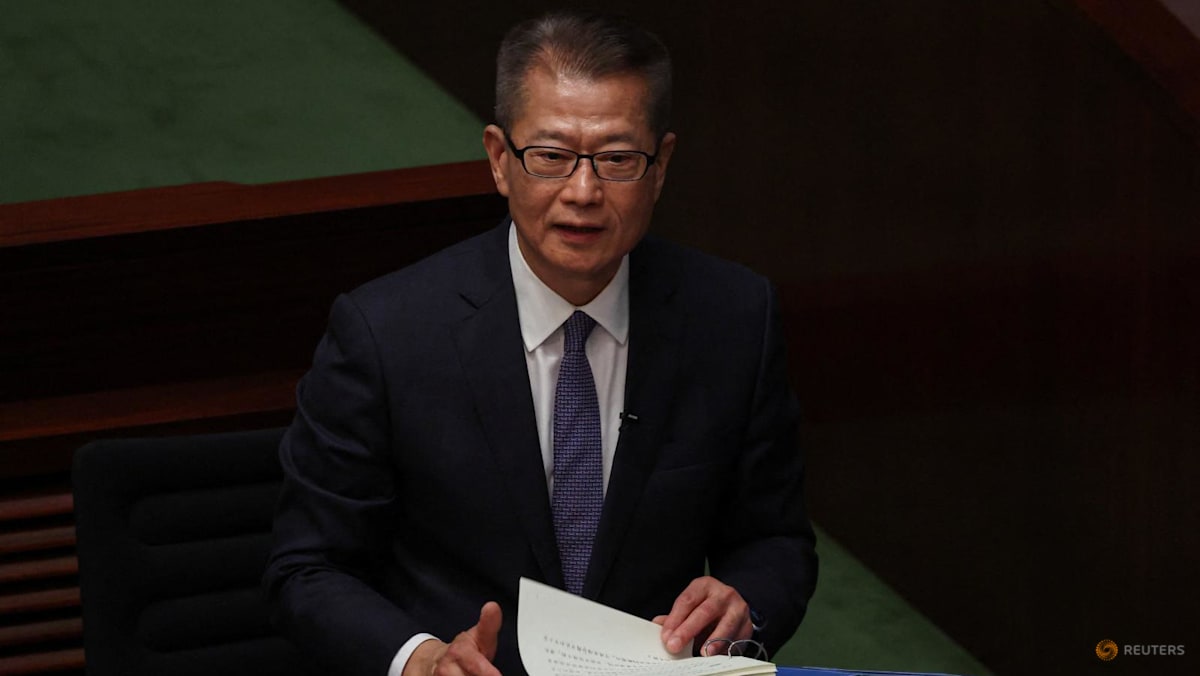
Hong Kong's financial secretary has announced that the city's economic growth is expected to ease its fiscal deficit. This positive outlook comes amid ongoing efforts to stabilize the economy post-pandemic.
Hong Kong's Economic Growth Projected to Alleviate Fiscal Deficit
In a recent statement, Hong Kong's Financial Secretary Paul Chan has expressed optimism regarding the city's economic growth, which is anticipated to significantly ease the fiscal deficit that has plagued the region in recent years. The financial outlook comes as the city continues to recover from the impacts of the COVID-19 pandemic, with various sectors showing signs of resilience and recovery.
Positive Economic Indicators
According to Chan, the Hong Kong economy is expected to grow by 3.5% to 5.5% in 2023, driven by a rebound in consumer spending and a resurgence in tourism. The financial secretary highlighted that the city's economy has shown buoyancy, particularly in the retail and hospitality sectors, which are vital for Hong Kong's economic landscape.
"The recovery of our economy is on track, and we are seeing a positive trend in various sectors," Chan stated during a press conference. He emphasized that the government's measures to stimulate the economy, including cash handouts and tax relief, have played a crucial role in boosting consumer confidence and spending.
Fiscal Deficit Challenges
Despite the optimistic growth projections, Hong Kong is still grappling with a significant fiscal deficit, which is projected to reach HKD 140 billion (approximately USD 17.8 billion) for the current financial year. The government has been under pressure to balance its budget while continuing to support economic recovery efforts.
Chan acknowledged the challenges posed by the fiscal deficit but reiterated the importance of maintaining a robust economic environment. "While we face fiscal challenges, we must also ensure that we invest in our future and support sectors that are crucial for our recovery," he said.
Tourism and Consumer Spending
The tourism sector, which was severely impacted by the pandemic, is showing signs of recovery as travel restrictions ease. Chan noted that the number of visitors to Hong Kong has been steadily increasing, contributing to the growth of the retail sector. The government has launched various initiatives to promote tourism, including marketing campaigns targeting international travelers.
Consumer spending has also rebounded, with retail sales rising significantly in recent months. The financial secretary attributed this growth to the pent-up demand from residents and tourists alike, as well as the government's efforts to support businesses through financial assistance programs.
Looking Ahead
As Hong Kong navigates its path to recovery, the government is committed to implementing policies that will foster sustainable economic growth. Chan emphasized the need for continued investment in infrastructure, innovation, and technology to ensure that the city remains competitive in the global market.
"We must look beyond the immediate recovery and focus on long-term strategies that will position Hong Kong as a leading international financial center," he stated. The financial secretary's remarks reflect a broader commitment to not only addressing current economic challenges but also preparing for future opportunities.
Conclusion
With the projected economic growth and a focus on fiscal responsibility, Hong Kong is poised to emerge from the shadows of the pandemic stronger and more resilient. As the city continues to adapt to changing global dynamics, the government's proactive approach will be crucial in shaping its economic landscape for years to come.