Hong Kong's Evolving Religious Landscape Amidst Political Turmoil
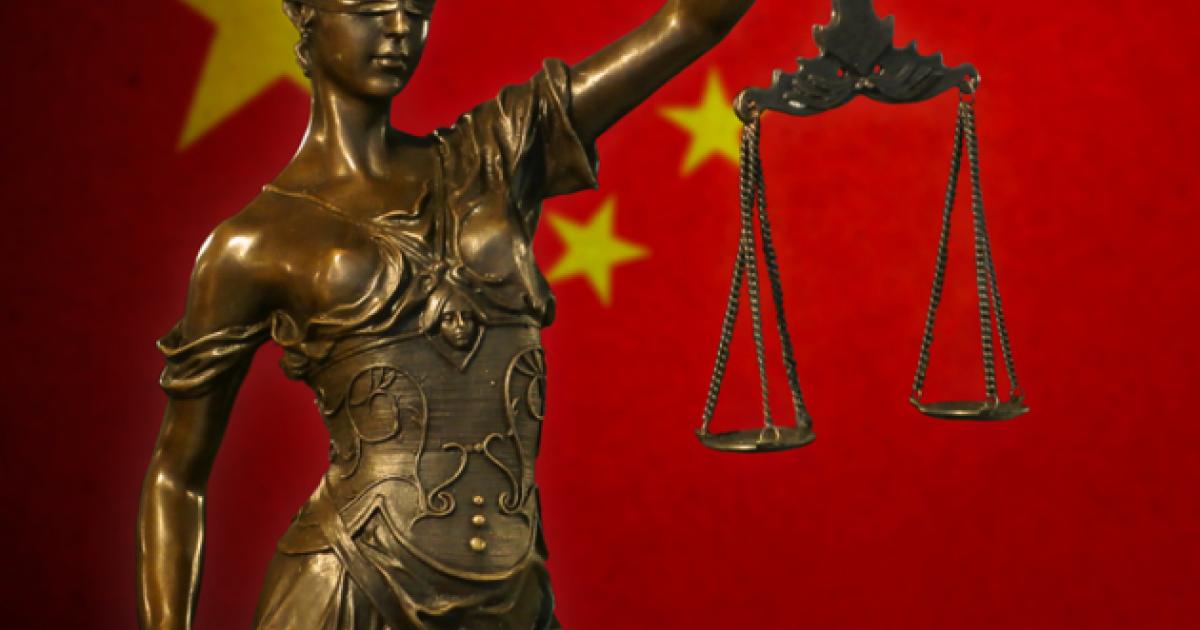
Hong Kong's religious institutions are facing unprecedented challenges as political tensions rise. This report explores the impact of these changes on local churches and the broader community.
Introduction
As Hong Kong grapples with political unrest and a shifting socio-political landscape, its religious institutions, particularly churches, are navigating a complex environment. The intertwining of faith and politics has never been more pronounced, leading to significant changes in how religious organizations operate and engage with their communities.
Churches Under Pressure
In recent years, many churches in Hong Kong have found themselves at a crossroads. The increasing scrutiny from authorities and the broader implications of the national security law have led to a reevaluation of their roles within society. For some congregations, this has meant a retreat into a more private practice of faith, while others have taken on a more active role in social justice and community support.
Community Engagement
Despite the challenges, many churches have stepped up to provide support to those affected by the political climate. Initiatives such as food drives, mental health support, and legal aid for protestors have become common as churches seek to serve their communities in practical ways. This shift reflects a broader trend among religious organizations in Hong Kong, where faith is increasingly intertwined with social activism.
Impact on Worship
The political situation has also affected how worship is conducted. Many churches have adopted online services to ensure the safety of their congregants, while others have experienced a decline in attendance due to fears of government crackdowns on gatherings. This has led to a more fragmented religious experience, with some congregations thriving online while others struggle to maintain their community ties.
Government Relations
The relationship between churches and the government has become increasingly strained. Authorities have been known to monitor religious gatherings, and there are concerns about the potential for increased regulation of religious practices. This has led to a climate of fear among some church leaders, who worry about the repercussions of speaking out against the government or engaging in political discourse.
International Perspectives
Internationally, the situation in Hong Kong has drawn attention from various religious organizations and human rights advocates. Many are calling for greater protections for religious freedoms in the region, emphasizing the need for churches to operate without fear of persecution. This global solidarity has provided some encouragement for local churches, as they realize they are not alone in their struggles.
Conclusion
As Hong Kong continues to navigate its complex political landscape, the role of churches will undoubtedly evolve. The challenges they face are significant, but their commitment to serving the community remains steadfast. Whether through social activism or spiritual support, churches in Hong Kong are adapting to ensure they remain a vital part of the social fabric, even in the face of adversity.