Hong Kong's Evolving Role in Global Finance Amidst Political Turmoil
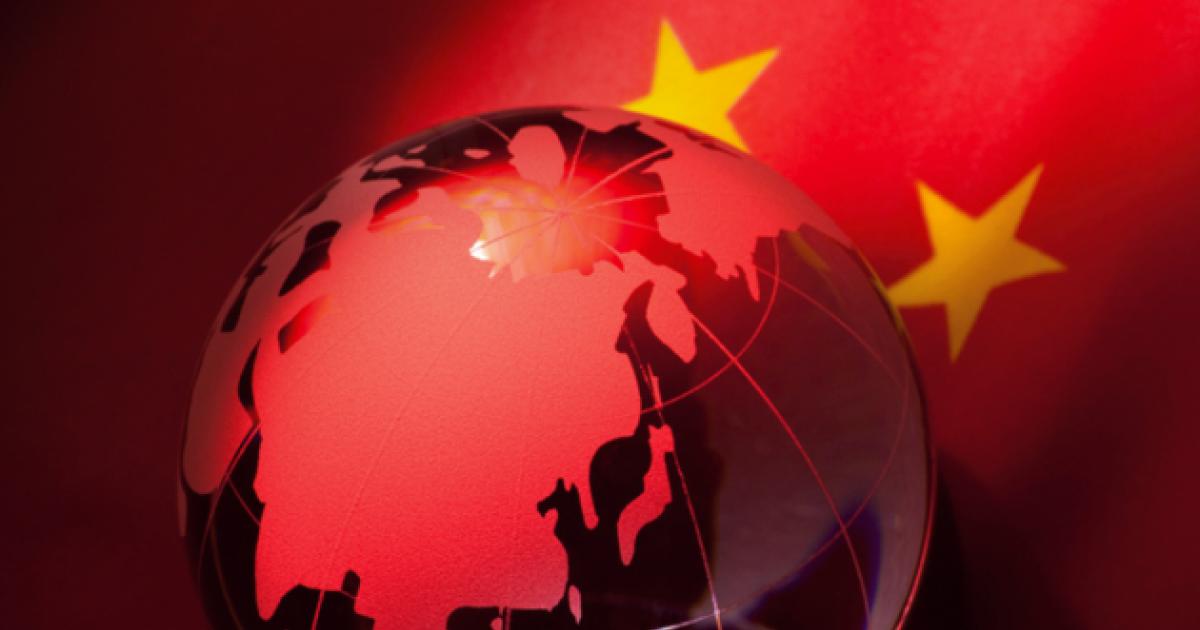
As Hong Kong navigates its complex political landscape, the city is redefining its position as a global financial hub. This report explores the implications of recent developments on Hong Kong's economy and international relations.
Introduction
Hong Kong has long been regarded as a pivotal financial center in Asia, attracting global investors and businesses. However, the recent political upheaval and tightening grip of Beijing have raised questions about the city's future as a financial hub. This report delves into the evolving role of Hong Kong in global finance amidst ongoing political turmoil and examines the implications for its economy and international relations.
Political Landscape and Economic Implications
The political landscape in Hong Kong has undergone significant changes since the 2019 protests, which were sparked by a proposed extradition bill. The subsequent crackdown on dissent and the implementation of the National Security Law in 2020 have led to a chilling effect on freedom of expression and civil liberties. As a result, many businesses and expatriates have reconsidered their presence in the city, leading to concerns about the long-term sustainability of Hong Kong's financial sector.
Impact on Foreign Investment
Foreign investment has been a cornerstone of Hong Kong's economy, but recent developments have prompted a reevaluation of the risks associated with operating in the city. According to a survey conducted by the American Chamber of Commerce in Hong Kong, nearly one-third of respondents are considering relocating their businesses due to the political climate. The uncertainty surrounding the legal framework and the potential for increased regulatory scrutiny from Beijing have made some investors wary.
Shifts in Global Financial Dynamics
As Hong Kong faces challenges, other financial centers in the region, such as Singapore, are poised to capitalize on the situation. Singapore has been actively courting businesses and investors looking for a stable environment, offering favorable tax policies and a transparent regulatory framework. This shift in focus raises questions about Hong Kong's ability to maintain its competitive edge in the face of growing regional competition.
Government Response and Future Outlook
The Hong Kong government has taken steps to reassure investors and businesses of its commitment to maintaining the city’s status as a global financial hub. Initiatives such as the introduction of new financial products and the promotion of the Greater Bay Area as an economic powerhouse are part of the strategy to attract investment. However, the effectiveness of these measures remains to be seen, especially in light of ongoing geopolitical tensions between the U.S. and China.
International Relations and Global Perception
The perception of Hong Kong on the global stage has also been affected by its political situation. The U.S. government has imposed sanctions on certain Chinese officials and entities in response to human rights abuses in Hong Kong, further complicating the city’s international relations. As a result, businesses operating in Hong Kong must navigate a complex web of geopolitical considerations that could impact their operations and reputation.
Conclusion
Hong Kong stands at a crossroads, facing significant challenges that threaten its long-standing position as a global financial hub. While the government is making efforts to attract investment and reassure businesses, the political climate and regional competition pose substantial hurdles. The future of Hong Kong's economy and its role in the global financial system will depend on how effectively it can adapt to these changes while maintaining its unique identity.