Hong Kong's Evolving Role in the U.S.-China Geopolitical Landscape
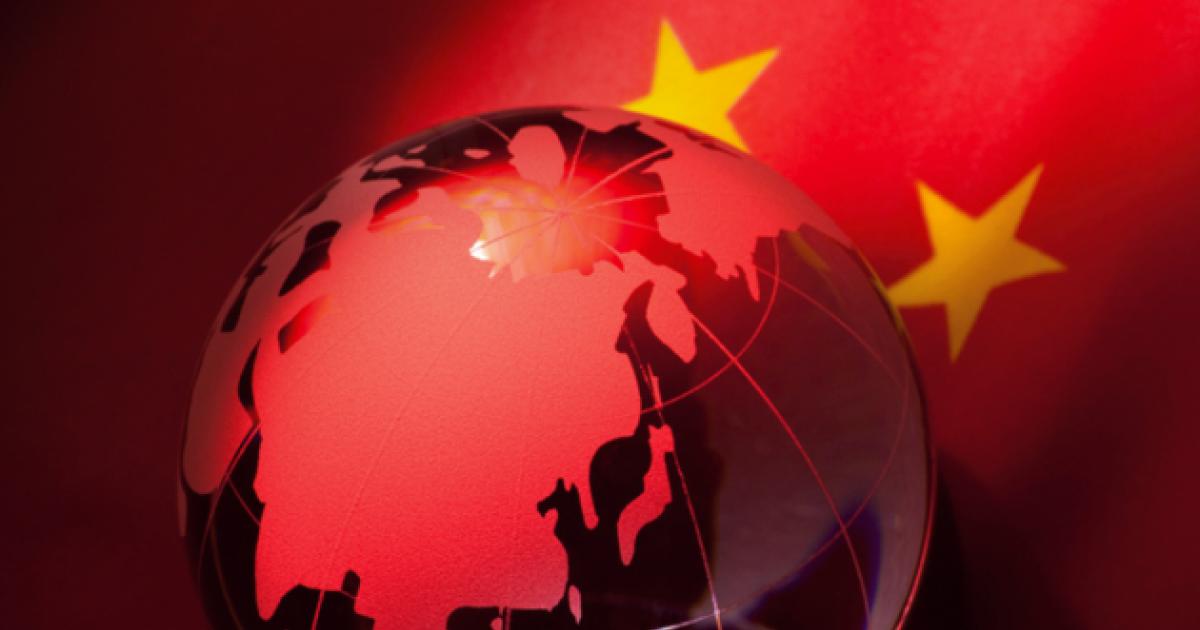
As tensions rise between the U.S. and China, Hong Kong finds itself at a crossroads, balancing its historical ties with the West and its growing integration with the mainland. This report explores the implications of this complex dynamic for the city's future.
Introduction
In the midst of escalating tensions between the United States and China, Hong Kong's unique position as a Special Administrative Region (SAR) has become increasingly significant. Historically a bridge between East and West, the city is now navigating a complex geopolitical landscape that could redefine its role on the global stage.
The Historical Context
Hong Kong has long been a focal point of international commerce and diplomacy, benefiting from its status as a free port and financial hub. Established as a British colony in the 19th century, the city enjoyed a degree of autonomy that allowed it to flourish economically. However, the 1997 handover to China marked a pivotal shift, introducing new dynamics that continue to shape its political and economic environment.
Current Geopolitical Tensions
The ongoing rivalry between the U.S. and China has intensified in recent years, with both nations vying for influence in the Asia-Pacific region. This competition has profound implications for Hong Kong, which is caught in the crossfire of foreign policy maneuvers. The U.S. has imposed sanctions on Chinese officials and entities, citing human rights abuses and the erosion of freedoms in Hong Kong, while China has responded with its own measures, further straining relations.
Hong Kong's Economic Dilemma
As the U.S. seeks to counter China's rise, Hong Kong's economy faces significant challenges. The city's reliance on trade and finance makes it vulnerable to shifts in U.S.-China relations. Businesses are increasingly wary of the risks associated with operating in a politically charged environment, leading to concerns about capital flight and reduced foreign investment. Furthermore, the implementation of the National Security Law in 2020 has raised alarms among international investors, who fear repercussions for their operations in the city.
Social Unrest and Its Aftermath
The social unrest that erupted in Hong Kong in 2019, sparked by proposed extradition legislation, highlighted the growing discontent among residents regarding Beijing's encroachment on their freedoms. The protests, which drew global attention, have since been met with a heavy-handed response from the authorities. The crackdown on dissent has not only stifled political expression but has also led to a chilling effect on civil society and media, further complicating Hong Kong's relationship with the international community.
Beijing's Influence and Future Prospects
As Beijing consolidates its control over Hong Kong, the city's future remains uncertain. The central government has made it clear that it intends to ensure stability and security, often at the expense of the freedoms that have defined Hong Kong's identity. This shift raises questions about the city's long-term viability as an international business hub. Many analysts argue that without a return to a more open and democratic governance model, Hong Kong risks losing its competitive edge.
Conclusion
Hong Kong stands at a critical juncture, with its role in the U.S.-China geopolitical landscape becoming increasingly precarious. The city's ability to navigate these turbulent waters will determine not only its own future but also its position in the broader international community. As the world watches, the outcome of this complex interplay will have lasting implications for Hong Kong, its residents, and the global order.