Hong Kong's Financial Authority Set to Issue First Stablecoin Licenses by March
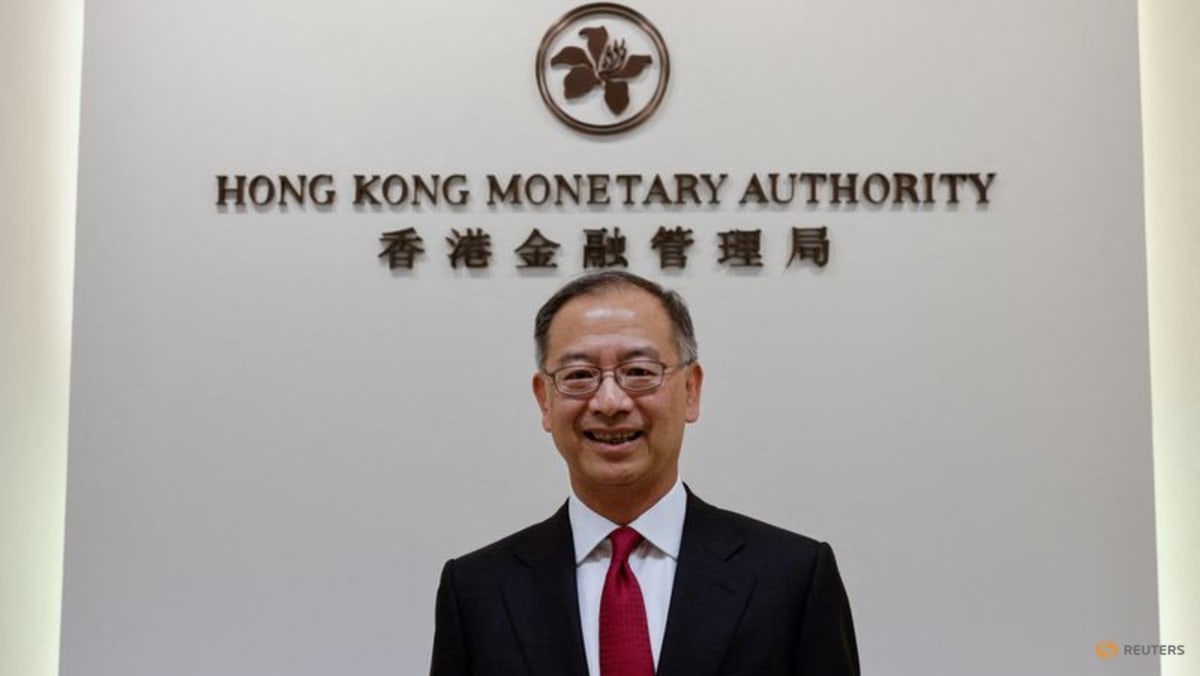
Hong Kong's Monetary Authority (HKMA) plans to issue its first licenses for stablecoin operations by March 2024, marking a significant step in the region's digital currency landscape. This initiative aims to enhance regulatory clarity and foster innovation in the burgeoning cryptocurrency market.
Introduction
In a groundbreaking move for the digital currency landscape, the Hong Kong Monetary Authority (HKMA) has announced plans to issue its first stablecoin licenses by March 2024. This initiative is seen as a pivotal step towards establishing a robust regulatory framework for stablecoins in the region, which has been gaining traction as a global financial hub for cryptocurrency innovation.
Regulatory Framework for Stablecoins
The HKMA's decision to introduce stablecoin licenses comes in response to the growing demand for digital currencies and the need for a clear regulatory framework to govern their use. Stablecoins, which are cryptocurrencies pegged to stable assets like fiat currencies, have gained popularity due to their potential to offer stability in the often volatile cryptocurrency market.
By issuing licenses, the HKMA aims to ensure that stablecoin issuers adhere to stringent regulatory standards, thereby protecting consumers and maintaining financial stability. The authority has indicated that it will conduct thorough assessments of applicants to ensure compliance with anti-money laundering (AML) and counter-terrorism financing (CTF) regulations.
Global Context and Local Impact
As various jurisdictions around the world grapple with the challenges posed by cryptocurrencies, Hong Kong's proactive approach positions it as a leader in the digital finance space. The issuance of stablecoin licenses aligns with the region's broader strategy to attract fintech companies and enhance its reputation as a global financial center.
In recent years, Hong Kong has implemented several initiatives aimed at fostering innovation in the financial sector, including the establishment of a regulatory sandbox for fintech startups. The forthcoming stablecoin licenses are expected to further stimulate growth in the local cryptocurrency ecosystem, attracting both domestic and international players.
Market Reactions
The announcement has been met with enthusiasm from industry stakeholders, who view it as a sign of the HKMA's commitment to fostering a conducive environment for digital innovation. Many believe that the introduction of stablecoin licenses will not only enhance consumer confidence but also encourage investment in the burgeoning cryptocurrency market.
“This is a significant step forward for Hong Kong’s digital currency ambitions,” said a spokesperson from a leading fintech company. “The regulatory clarity provided by the HKMA will enable us to operate more effectively and responsibly in the market.”
Future Prospects
As the HKMA prepares to roll out the stablecoin licensing framework, discussions surrounding the potential implications for monetary policy and financial stability are already underway. Economists and financial experts are closely monitoring the situation, as the rise of stablecoins could have far-reaching effects on traditional banking systems and payment infrastructures.
Moreover, the successful implementation of stablecoin licenses could pave the way for further innovations in the digital currency space, including the potential introduction of a central bank digital currency (CBDC) in Hong Kong. The HKMA has previously expressed interest in exploring the feasibility of a digital Hong Kong dollar, which could complement the stablecoin ecosystem.
Conclusion
As Hong Kong moves forward with its plans to issue stablecoin licenses, the financial community is poised to witness a transformative shift in the digital currency landscape. With regulatory clarity and support from the HKMA, the region is set to solidify its position as a leader in the global cryptocurrency market, fostering innovation while ensuring the protection of consumers and the integrity of the financial system.