Hong Kong's Financial Stability Amid Global Oil Price Surge
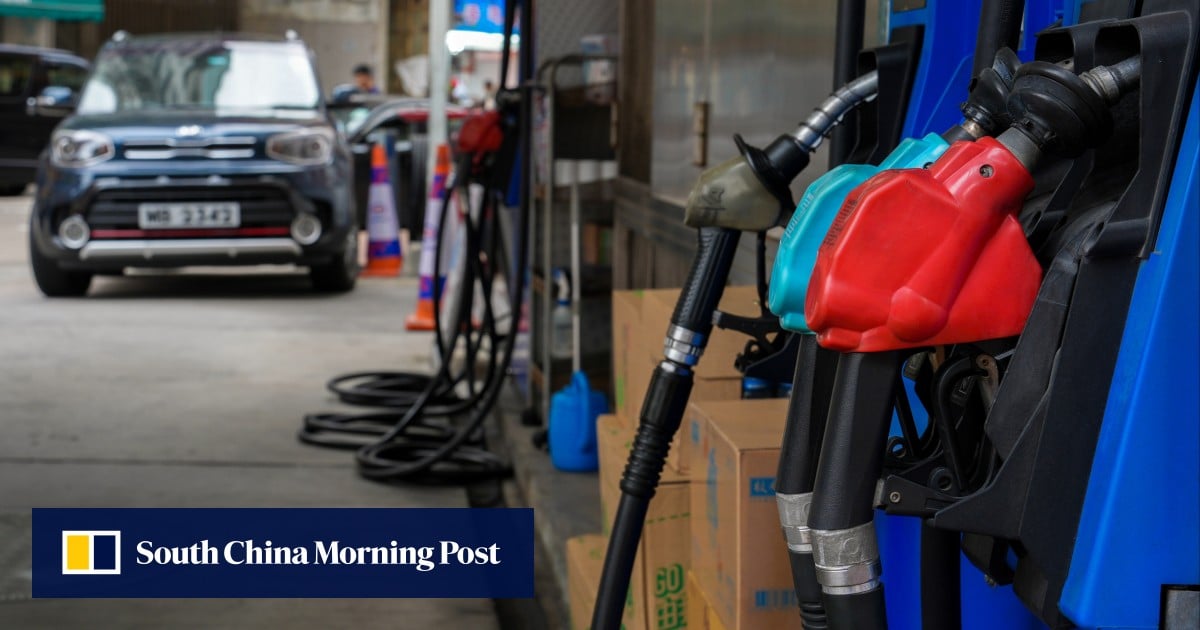
Hong Kong's Finance Chief reassures the public of the city's economic stability despite rising oil prices driven by global unrest. The government remains committed to maintaining a resilient financial environment.
Hong Kong's Financial Stability Amid Global Oil Price Surge
In the face of escalating global turmoil and surging oil prices, Hong Kong's Finance Chief has stepped forward to reassure citizens and investors that the city's financial landscape remains stable. The recent spike in oil prices, attributed to geopolitical tensions and supply chain disruptions, has raised concerns about inflation and economic growth worldwide. However, Hong Kong's government is confident in its ability to navigate these challenges while maintaining a robust economy.
During a press conference held on Tuesday, the Finance Chief emphasized the resilience of Hong Kong's financial framework. He highlighted that the city has weathered numerous global crises in the past and has developed mechanisms to mitigate the adverse effects of such fluctuations. "While the current situation is undoubtedly challenging, we have a strong fiscal reserve and a diversified economy that can absorb shocks," he stated.
The Finance Chief's remarks come as crude oil prices have surged to their highest levels in years, driven by a combination of factors including ongoing conflicts in oil-producing regions, sanctions on certain nations, and a rebound in global demand as economies recover from the pandemic. This increase has sparked fears of inflation and rising costs for consumers, prompting many to question the potential impact on Hong Kong's economy.
Despite these concerns, the Finance Chief pointed out that Hong Kong's inflation rate remains manageable compared to other regions. He noted that the government has been proactive in implementing measures to support the economy, including maintaining low interest rates and providing financial assistance to businesses affected by the pandemic.
In addition to addressing inflation, the Finance Chief also touched on the importance of energy security for Hong Kong. The city relies heavily on imported energy, and fluctuations in oil prices can have significant implications for its economy. To mitigate this risk, the government is exploring alternative energy sources and investing in renewable energy projects to diversify its energy portfolio.
The Finance Chief acknowledged that while the immediate outlook may be uncertain, the long-term prospects for Hong Kong remain strong. He pointed to the city's strategic position as a financial hub in Asia and its commitment to fostering a business-friendly environment as key factors that will continue to attract investment.
Moreover, the government is actively engaging with various sectors to understand their concerns and needs during this turbulent period. The Finance Chief encouraged businesses to adapt to changing market conditions and explore new opportunities that may arise from the evolving global landscape.
As the world grapples with the implications of rising oil prices, Hong Kong's leadership is committed to ensuring that the city remains a stable and attractive destination for both local and international investors. The Finance Chief's reassurances serve as a reminder of the government's dedication to maintaining economic stability and resilience in the face of external challenges.
In conclusion, while the surge in oil prices presents a significant challenge, Hong Kong's Finance Chief remains optimistic about the city's economic outlook. With a robust fiscal reserve, proactive government measures, and a commitment to energy diversification, Hong Kong is poised to navigate these turbulent waters and emerge stronger in the long run.