Hong Kong's New Proposal to Empower City Leader on National Security Offenses
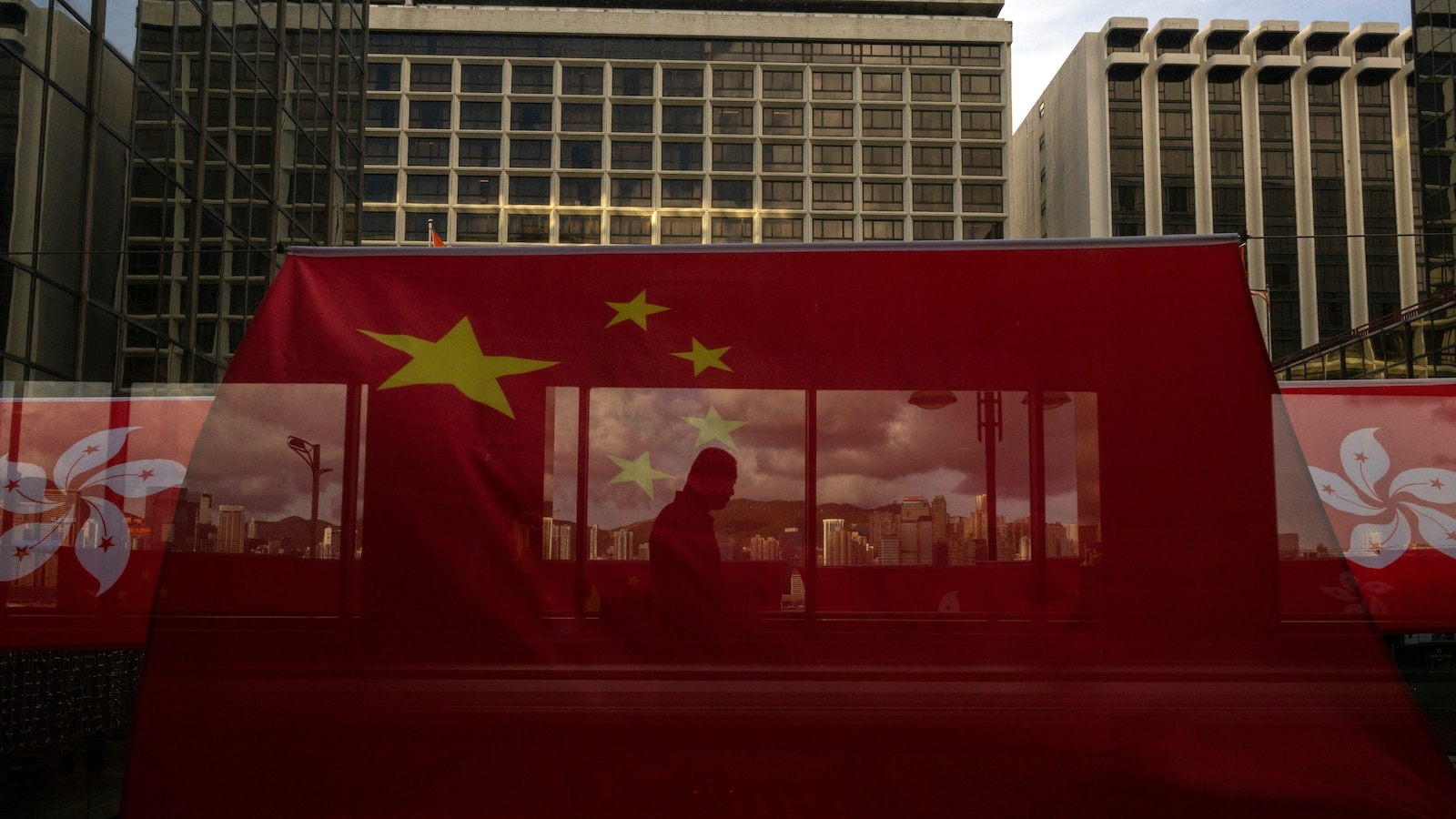
Hong Kong's government has introduced a proposal that would grant the city leader the authority to determine what constitutes a national security offense. This move has raised concerns among residents and international observers regarding the implications for civil liberties and governance.
Introduction
In a significant development that could reshape the legal landscape of Hong Kong, the local government has proposed a controversial measure that would empower the city’s leader to unilaterally decide what constitutes a national security offense. This proposal comes amid ongoing tensions surrounding the interpretation and enforcement of national security laws that have been criticized for curbing freedoms in the semi-autonomous region.
Background of the Proposal
The proposal was unveiled during a recent legislative session and has been met with a mixture of support and fierce opposition. Proponents argue that the measure is necessary to safeguard national security in the wake of increasing unrest and external pressures. However, critics contend that it represents a dangerous consolidation of power that could further erode the rule of law and civil liberties in Hong Kong.
Details of the Legislation
Under the new proposal, the Chief Executive of Hong Kong would gain the authority to classify actions as national security offenses without the need for legislative approval. This would effectively allow the city leader to bypass the usual checks and balances that govern the law-making process. The government has stated that this measure is aimed at enhancing the efficiency of legal proceedings related to national security, but it raises significant concerns about potential abuses of power.
Public Response and Concerns
The public reaction to the proposal has been overwhelmingly negative, with many residents expressing fears that it could lead to arbitrary arrests and the suppression of dissent. Activists have voiced concerns that the vague definitions of national security offenses could be used to target political opponents, journalists, and ordinary citizens who engage in peaceful protest or criticism of the government.
Additionally, human rights organizations have condemned the proposal, arguing that it undermines the fundamental freedoms guaranteed under the Sino-British Joint Declaration and the Basic Law of Hong Kong. The Hong Kong Bar Association has also raised alarms, stating that the move could lead to a significant deterioration of the legal system and the independence of the judiciary.
International Reactions
Internationally, the proposal has drawn criticism from various governments and human rights groups. The United States, the United Kingdom, and the European Union have all expressed concerns about the implications of such a measure for human rights and democratic governance in Hong Kong. The U.S. State Department issued a statement urging the Hong Kong government to respect the rights of its citizens and adhere to its international obligations.
Government's Justification
In defense of the proposal, the Hong Kong government has argued that the need for swift and decisive action is paramount in the face of perceived threats to national security. Officials have emphasized that the Chief Executive would act in the best interests of the city and its residents, claiming that the measure is intended to protect the stability and prosperity of Hong Kong.
Looking Ahead
The proposal is expected to undergo further debate in the Legislative Council, where lawmakers will scrutinize its implications and potential consequences. As the situation unfolds, many are left wondering how this move will affect the already fragile state of civil liberties in Hong Kong and the broader implications for the region's relationship with Beijing.
Conclusion
As Hong Kong grapples with the challenges posed by this new proposal, the balance between national security and individual freedoms remains a contentious issue. The coming weeks will be critical in determining how this legislation will shape the future of governance and civil rights in the city.