Hong Kong's Ongoing Battle Against Cancer: Progress and Challenges in Late Diagnosis
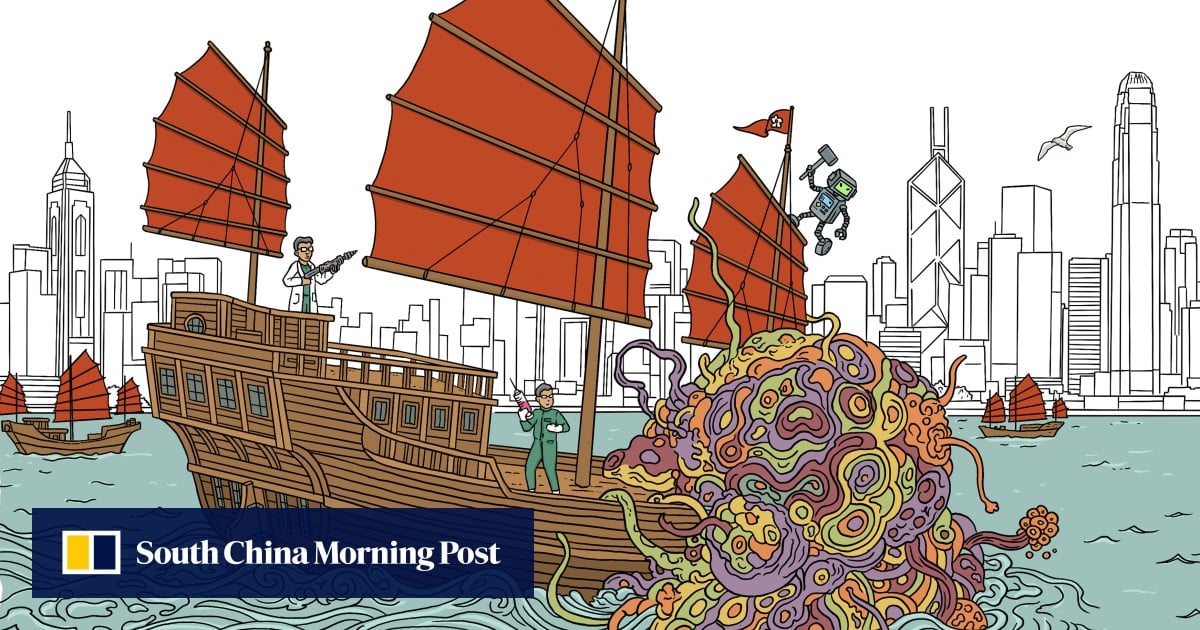
Hong Kong has made significant strides in cancer treatment and prevention, yet late diagnosis remains a critical challenge. This report explores the current landscape of cancer care in the region and the implications for public health.
Introduction
Cancer continues to be a leading cause of death in Hong Kong, with the city recording over 30,000 new cases annually. Despite advancements in treatment and awareness, the issue of late diagnosis looms large, raising questions about the effectiveness of current health strategies and the need for a more proactive approach.
Current Landscape of Cancer Care
According to recent reports, Hong Kong has made notable progress in cancer management, with improved survival rates and access to innovative treatments. The government has invested heavily in healthcare infrastructure, leading to better diagnostic tools and therapies. However, the persistent challenge of late-stage diagnoses complicates these achievements.
Statistics and Trends
Data from the Hong Kong Cancer Registry reveals that nearly 60% of cancer patients are diagnosed at an advanced stage. This late diagnosis significantly impacts treatment options and survival rates. For instance, breast cancer, one of the most common cancers among women in the region, shows a stark contrast in survival rates between early and late-stage diagnoses.
Factors Contributing to Late Diagnosis
Several factors contribute to the late diagnosis of cancer in Hong Kong. A significant portion of the population tends to delay medical consultations due to various reasons, including fear, stigma, and a lack of awareness about the symptoms of cancer. Additionally, the COVID-19 pandemic has exacerbated these issues, with many individuals postponing routine check-ups and screenings.
Government Initiatives and Public Awareness
In response to these challenges, the Hong Kong government has launched several initiatives aimed at increasing public awareness and encouraging early detection. Campaigns promoting regular screenings and education about cancer symptoms have been rolled out, targeting high-risk groups. Moreover, the introduction of subsidized screening programs has made it easier for residents to access necessary tests.
Innovative Approaches to Cancer Treatment
On the treatment front, Hong Kong has been at the forefront of adopting cutting-edge technologies and therapies. The integration of precision medicine and immunotherapy into treatment protocols has shown promising results, particularly for patients diagnosed at earlier stages. Hospitals are increasingly utilizing genetic profiling to tailor treatments to individual patients, improving outcomes significantly.
The Role of Community Support
Community organizations play a vital role in supporting cancer patients and their families. Groups such as the Hong Kong Cancer Fund provide resources, counseling, and financial assistance to those affected by cancer. Their efforts in raising awareness and promoting healthy lifestyles contribute to the ongoing battle against cancer in the region.
Conclusion
While Hong Kong has made commendable progress in its fight against cancer, the challenge of late diagnosis remains a significant hurdle. Continued efforts in public education, government initiatives, and community support are essential to improve early detection rates and ultimately enhance survival outcomes for cancer patients. As the city navigates this complex landscape, a collaborative approach involving healthcare professionals, policymakers, and the community will be crucial in winning the war on cancer.