Hong Kong's Political Landscape: The Impact of Xi Jinping's Policies
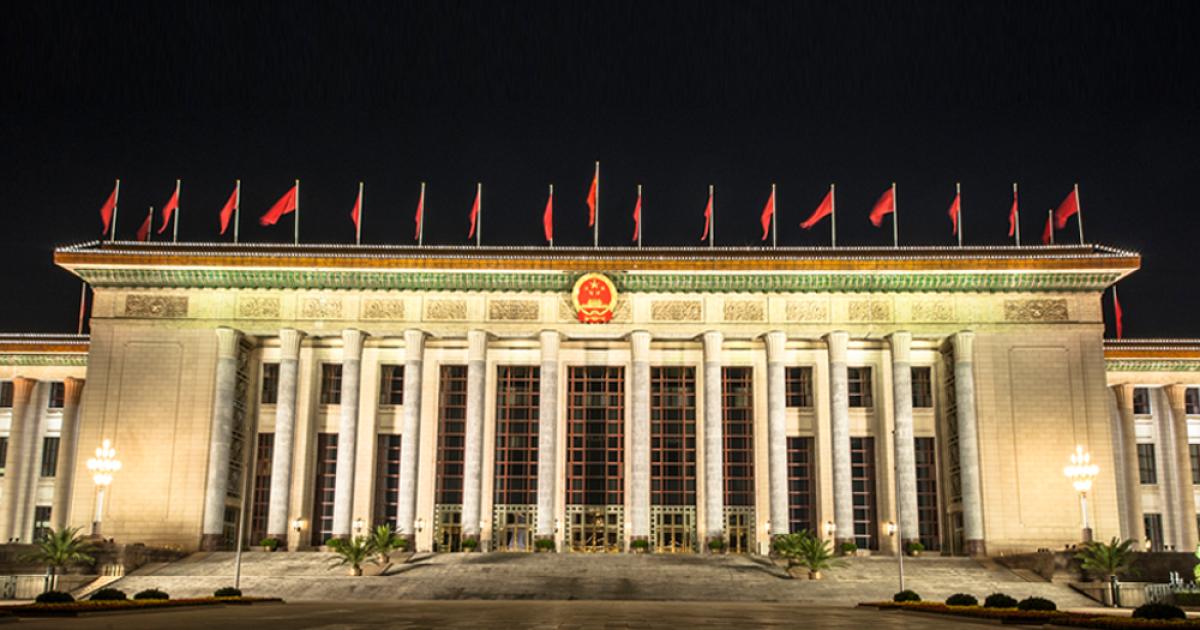
This report explores the implications of Xi Jinping's policies on Hong Kong's political landscape, focusing on economic challenges and the role of key figures like Jimmy Lai. As the city navigates its relationship with Mainland China, the future remains uncertain for its democratic aspirations.
Introduction
Hong Kong has long been a beacon of democracy and freedom in Asia, but recent years have seen a significant shift in its political landscape, largely influenced by Xi Jinping's policies from Mainland China. The imposition of the National Security Law in 2020 marked a turning point, leading to a crackdown on dissent and a reconfiguration of the city’s governance.
The Role of Xi Jinping's Leadership
Under Xi Jinping, the Chinese Communist Party has tightened its grip on Hong Kong, viewing the city as a crucial part of its territorial integrity. Xi's administration has implemented a series of measures aimed at quelling pro-democracy movements, which have included the arrest of prominent activists and the disqualification of opposition candidates. This has fostered an environment of fear and uncertainty among the populace, raising questions about the future of civil liberties in the region.
Economic Challenges and Punishments
The economic repercussions of these political changes are significant. Hong Kong's economy, once a thriving hub for international business, is now grappling with the fallout from both local unrest and broader geopolitical tensions. Economic punishment from Western nations, particularly in response to the erosion of democratic freedoms, has led to a decline in foreign investment and an increase in unemployment rates.
Jimmy Lai: A Symbol of Resistance
One of the most notable figures in the fight for democracy in Hong Kong is Jimmy Lai, the founder of the pro-democracy newspaper Apple Daily. Lai's arrest under the National Security Law has become a rallying point for activists, symbolizing the struggle against authoritarianism. His case has garnered international attention, highlighting the plight of those who dare to challenge the status quo in Hong Kong.
International Relations and the Taiwan Factor
The situation in Hong Kong is further complicated by its relationship with Taiwan. As tensions between China and Taiwan escalate, Hong Kong finds itself caught in the middle. The international community, particularly the United States and Japan, has expressed concern over China's increasing assertiveness in the region. This has implications not only for Hong Kong but also for Taiwan, as both territories navigate their identities in the face of Chinese hegemony.
Looking Ahead: The Future of Hong Kong
As Hong Kong continues to grapple with the implications of Xi Jinping's policies, the future remains uncertain. The city's unique status as a Special Administrative Region is under threat, with many fearing that it will lose its distinct identity altogether. The ongoing struggle for democracy and human rights will likely persist, as activists and citizens alike seek to reclaim their voices in a rapidly changing political landscape.
Conclusion
In conclusion, the impact of Xi Jinping's policies on Hong Kong cannot be overstated. The city faces significant economic challenges, a repressive political environment, and a complex relationship with both Mainland China and the international community. As the situation evolves, the resilience of Hong Kong's citizens will be tested, and the world will be watching closely.