Hong Kong's Stability: A Double-Edged Sword of Control and Compliance
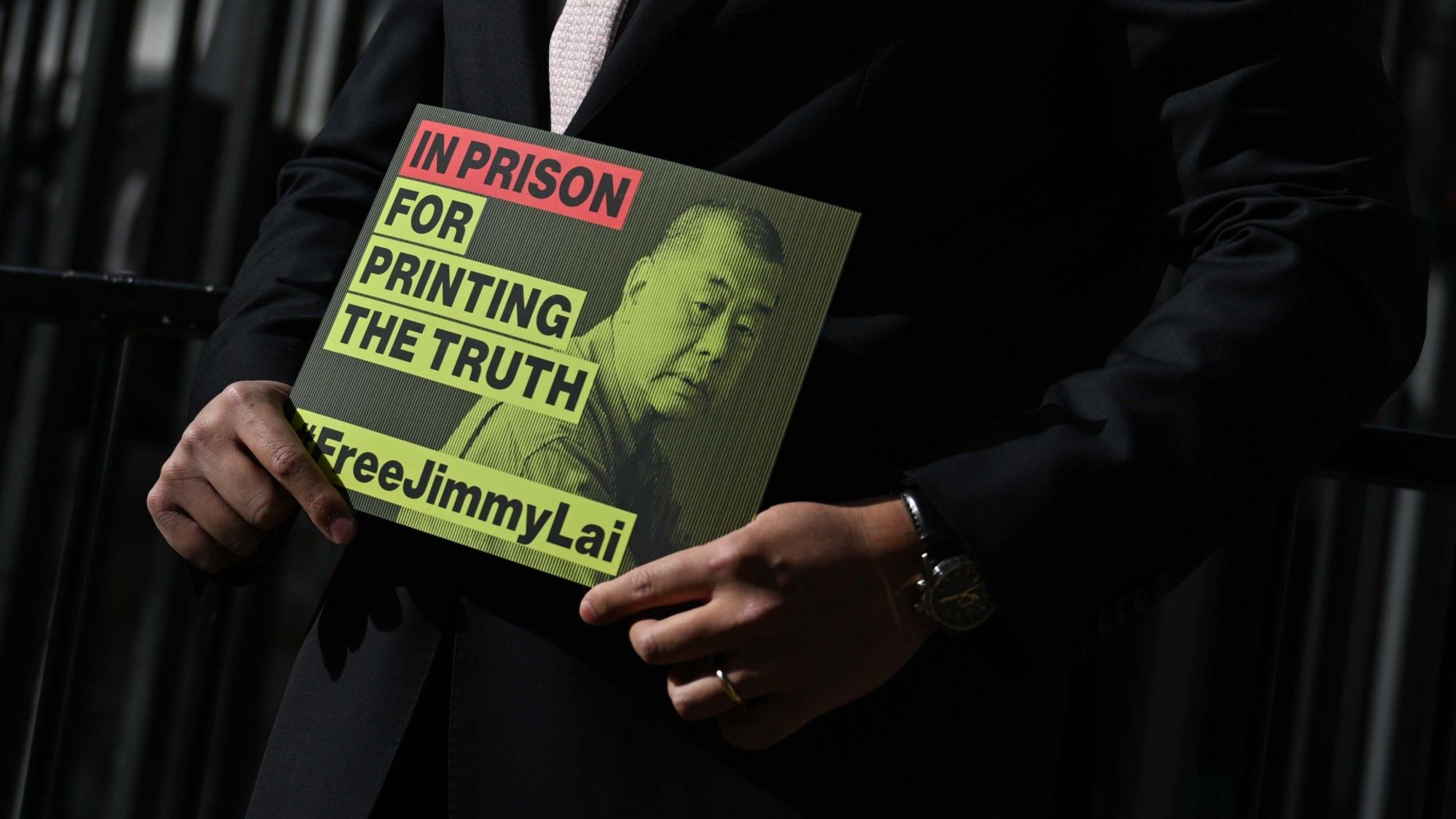
Hong Kong's current state of stability is often attributed to stringent measures that limit dissent and freedom of expression. This report explores the implications of such controls on the city's social fabric and political landscape.
Introduction
In recent years, Hong Kong has been characterized by a veneer of stability, a state that many observers attribute to the stringent measures imposed by the authorities. While the city appears calm on the surface, the underlying currents of discontent and the suppression of free speech raise questions about the true nature of this stability.
The Muzzling of Dissent
The phrase 'muzzled' has become synonymous with Hong Kong's political climate, especially following the implementation of the National Security Law in 2020. This legislation has allowed the government to crack down on protests, dissent, and any form of opposition deemed a threat to national security. Critics argue that such measures have effectively silenced voices that once contributed to the vibrant discourse of the city, replacing it with a climate of fear and compliance.
Public Sentiment and Compliance
Surveys indicate that a significant portion of the population feels a sense of resignation towards the current political situation. Many residents express a desire for stability and economic prosperity, leading them to accept the trade-offs that come with reduced freedoms. However, this acceptance is not universal; a segment of the population continues to advocate for democratic reforms and the restoration of civil liberties, highlighting the ongoing divide within society.
Economic Implications
The economic landscape of Hong Kong has also been affected by these political dynamics. The city, once a beacon of free-market capitalism, is now grappling with challenges stemming from both local governance and international relations. Businesses are increasingly cautious, and foreign investment has seen fluctuations due to concerns over the rule of law and the protection of intellectual property rights. The long-term implications of this environment on Hong Kong's status as a global financial hub remain to be seen.
International Reactions
Internationally, the situation in Hong Kong has drawn widespread condemnation. Governments and human rights organizations have criticized the erosion of freedoms and the crackdown on dissent. Sanctions have been imposed on key officials, and diplomatic relations have been strained. However, the Chinese government maintains that its actions are necessary for national security and stability, framing the narrative in a way that resonates with its domestic audience.
The Future of Hong Kong
As Hong Kong moves forward, the question of its identity looms large. The city has historically prided itself on its unique blend of Eastern and Western influences, but the current trajectory suggests a shift towards a more homogenized identity aligned with mainland China. The implications for future generations are profound, as the youth grapple with a landscape that may not offer the same freedoms and opportunities their predecessors enjoyed.
Conclusion
In conclusion, while Hong Kong may appear stable on the surface, the reality is far more complex. The muzzling of dissent and the suppression of freedoms have created a fragile peace that could easily unravel. As the city navigates its future, the challenge will be to find a balance between stability and the fundamental rights that underpin a vibrant society.